
Last updated September 23, 2026
Whole-system duct and dryer vent check with before-and-after photos - you see exactly what came out of your vents
That "$99 whole-house special" is a bait ad - the real number appears once they are in your hallway, or the "clean" is a shop-vac at the register. We photograph the inside of your ducts before and after instead.
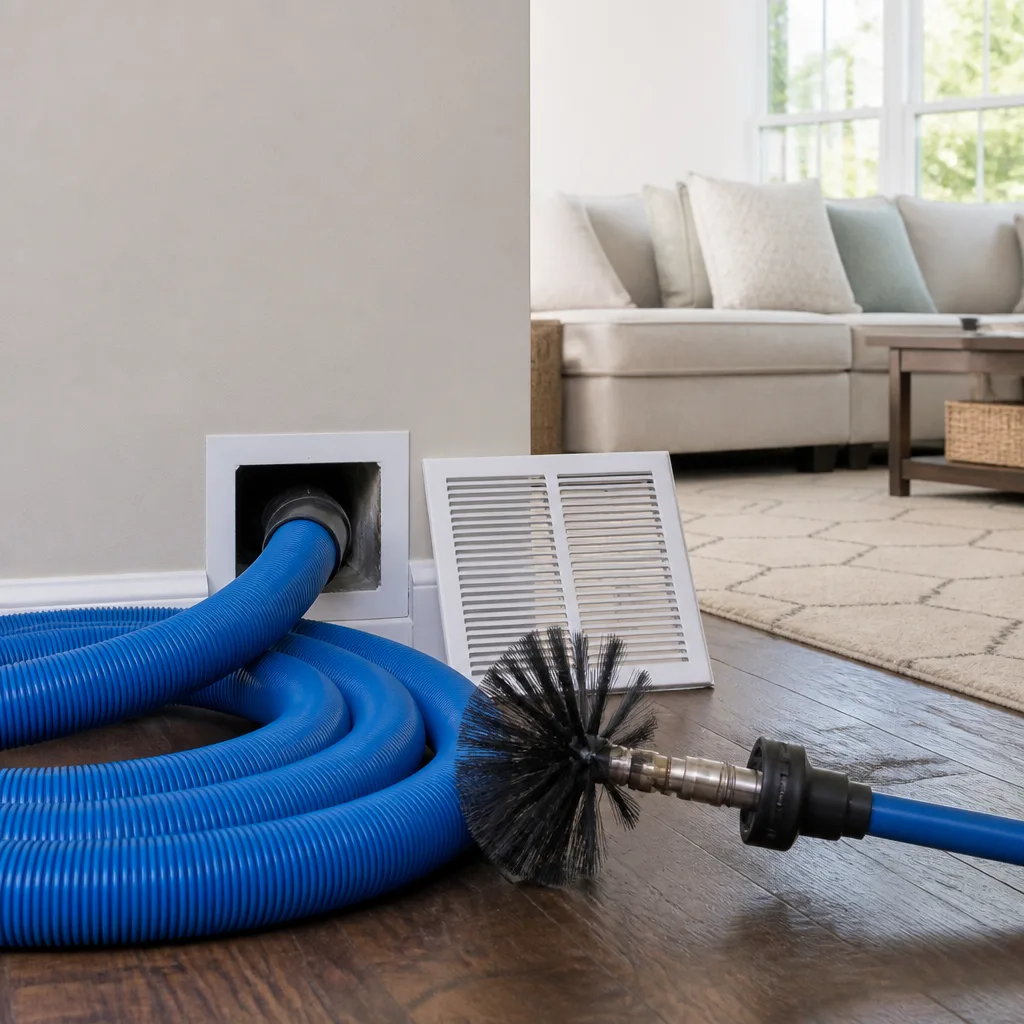
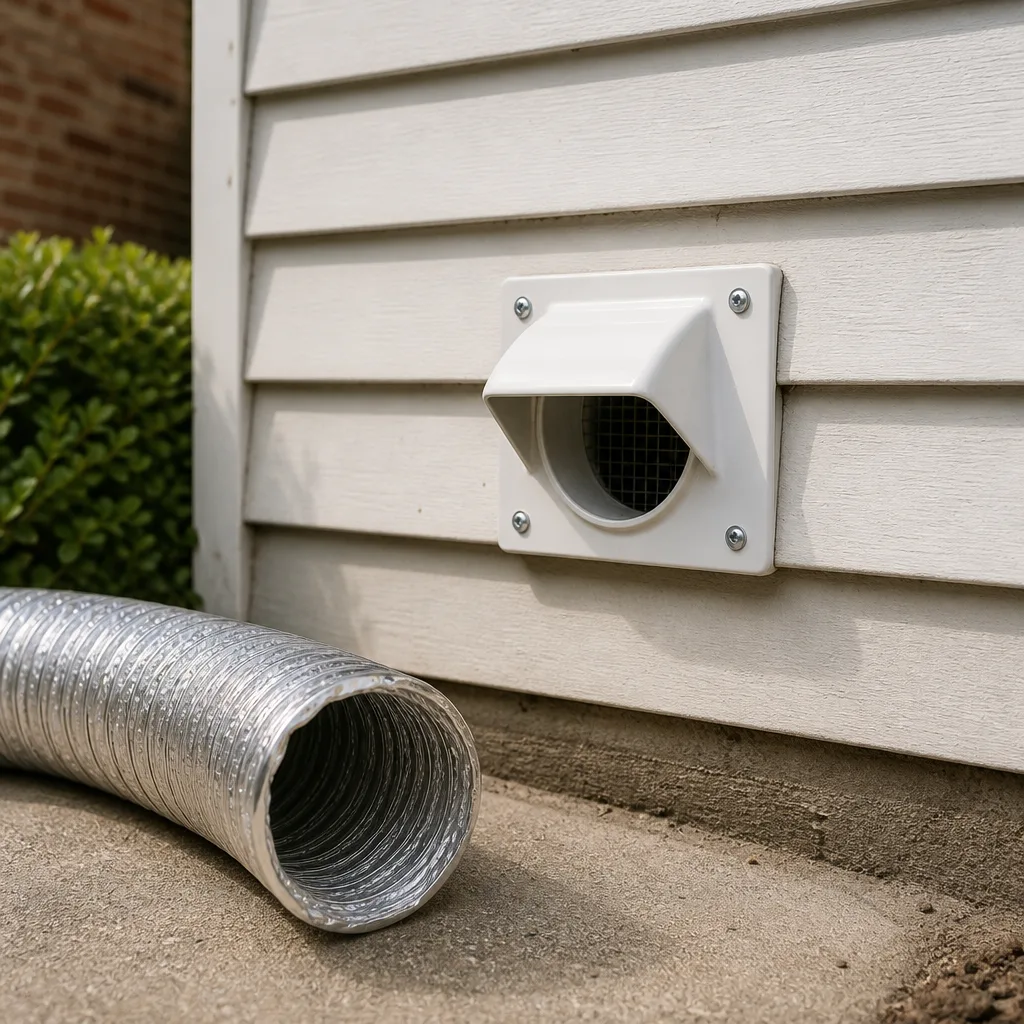
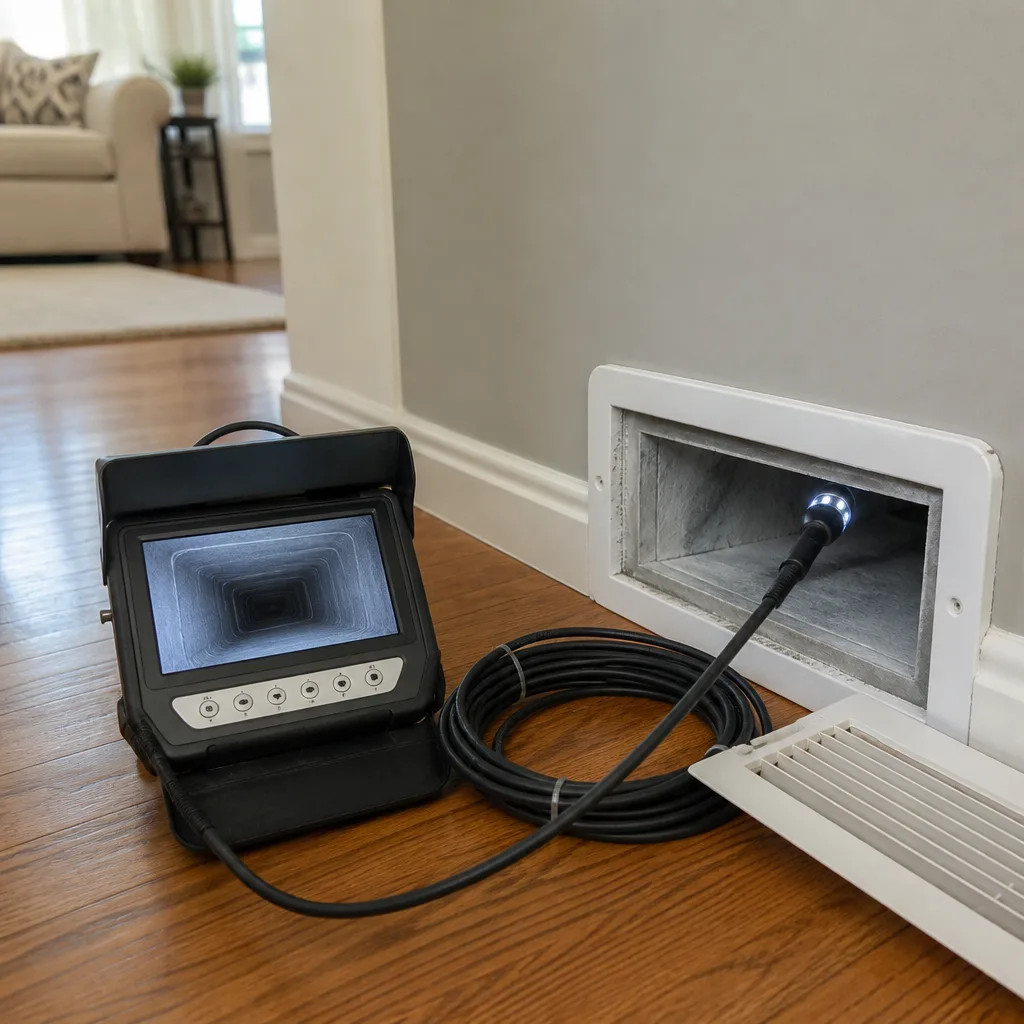
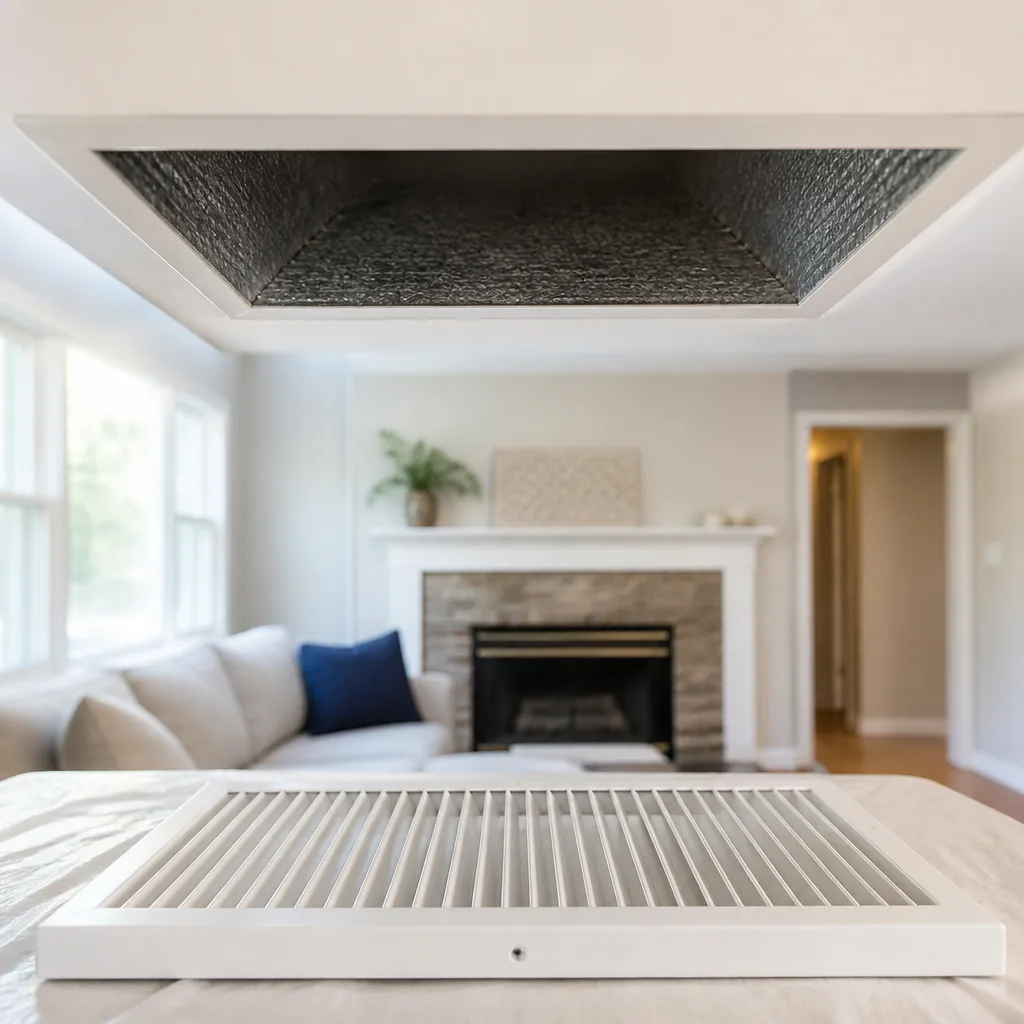
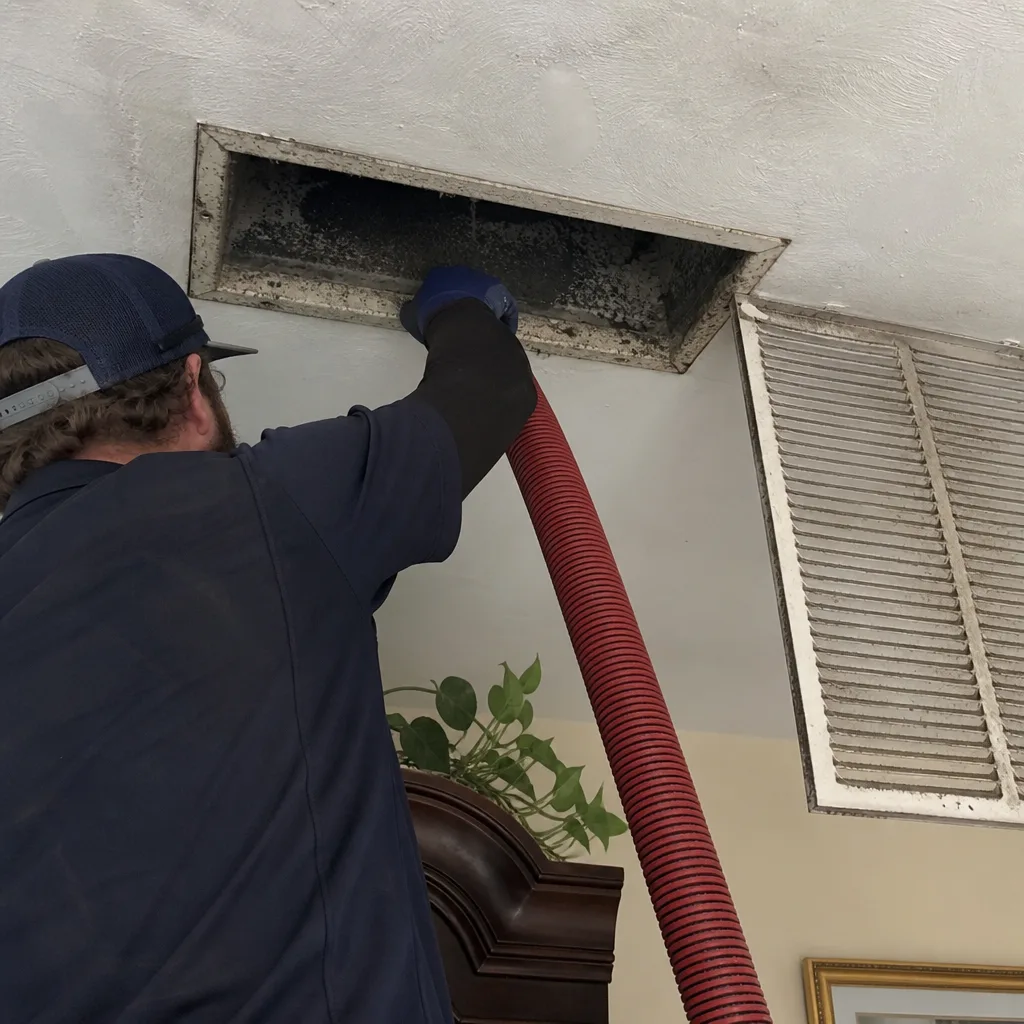 Before
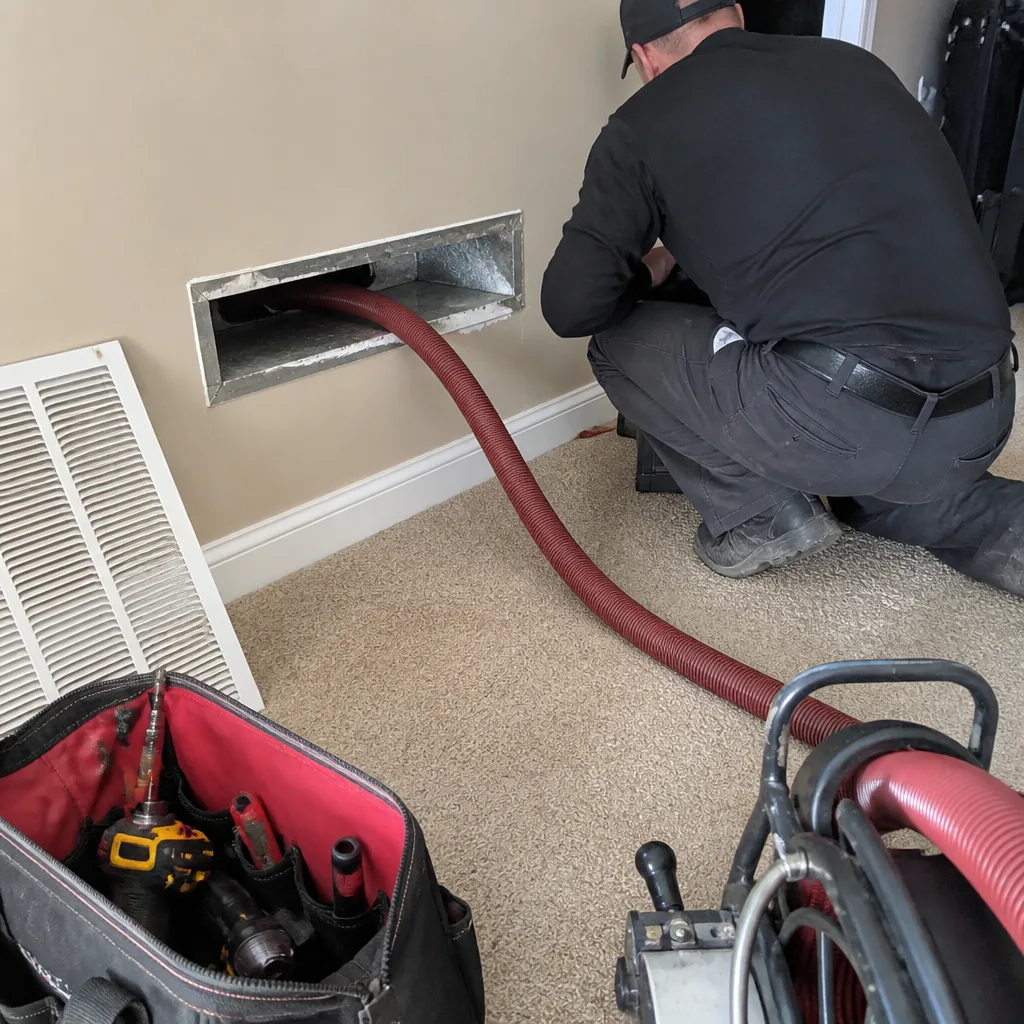 After
After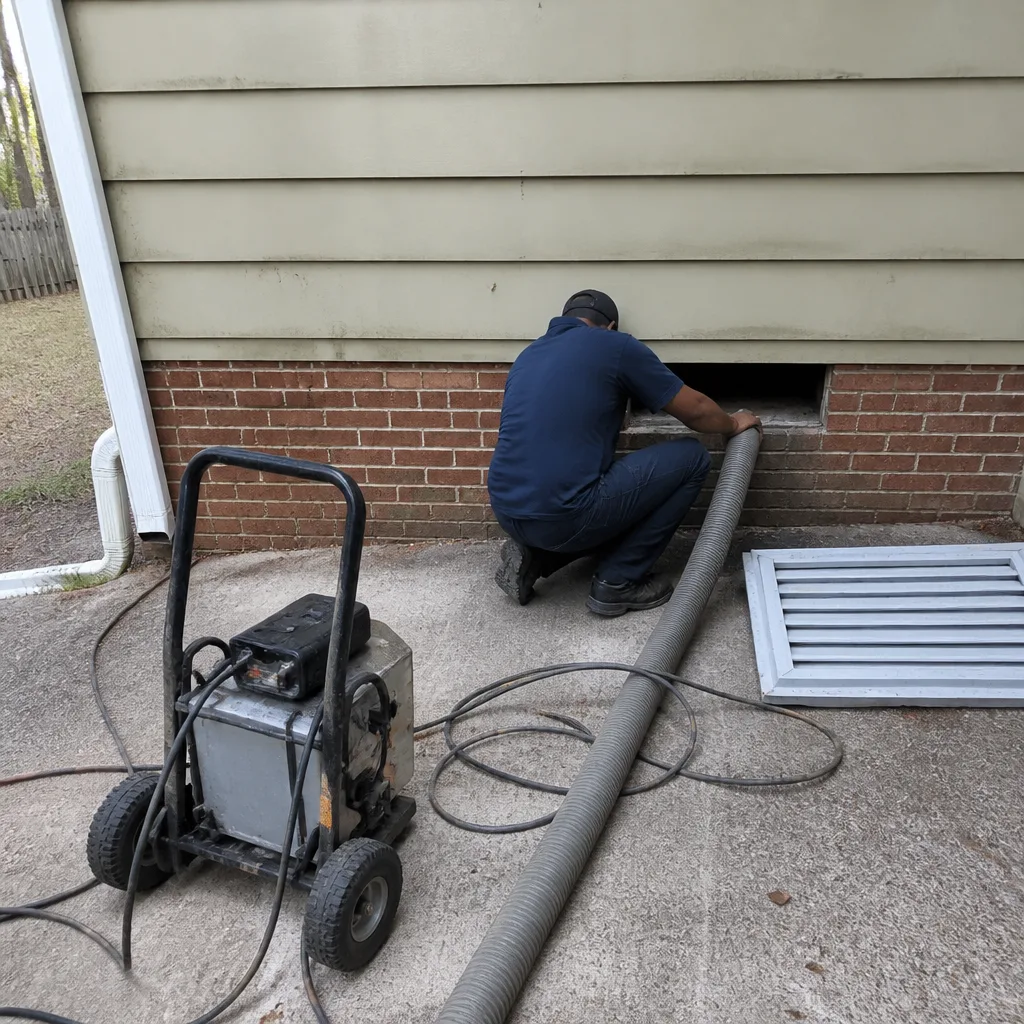 Before
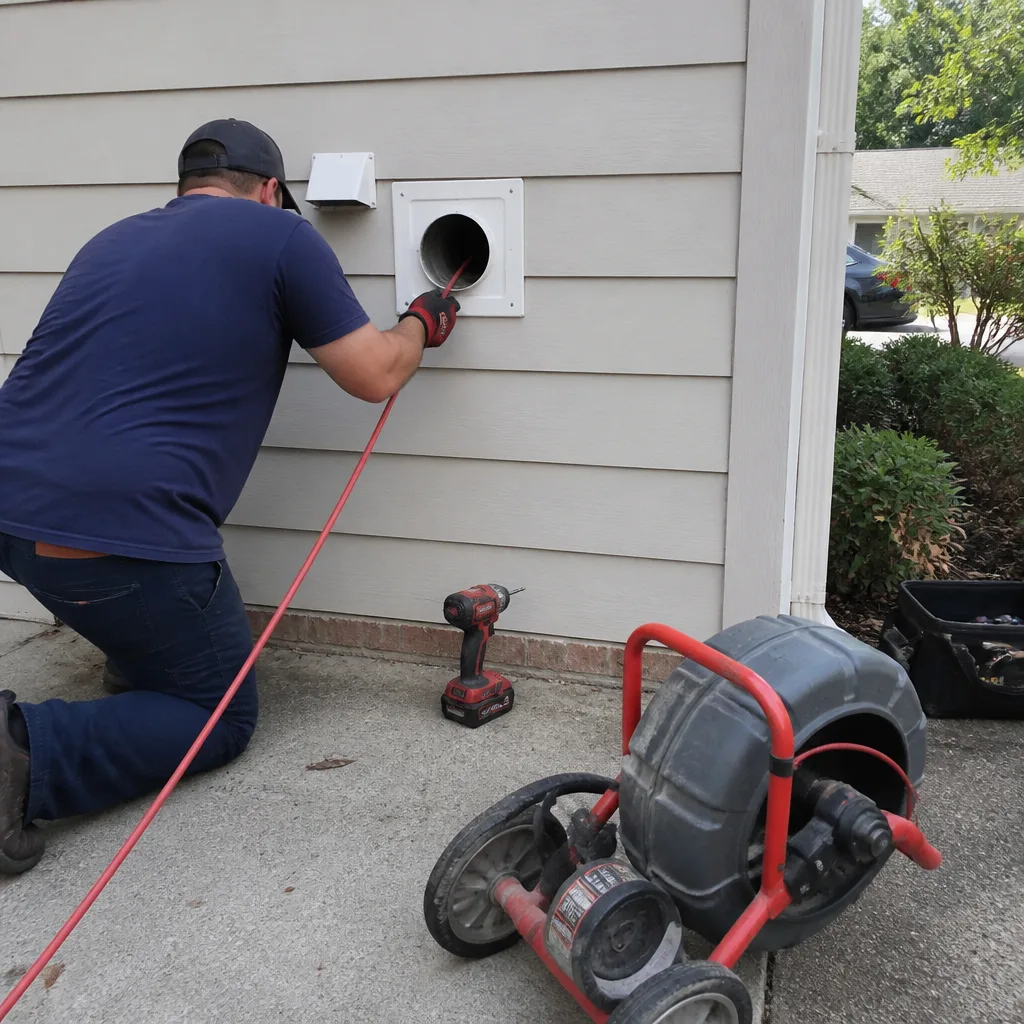 After
After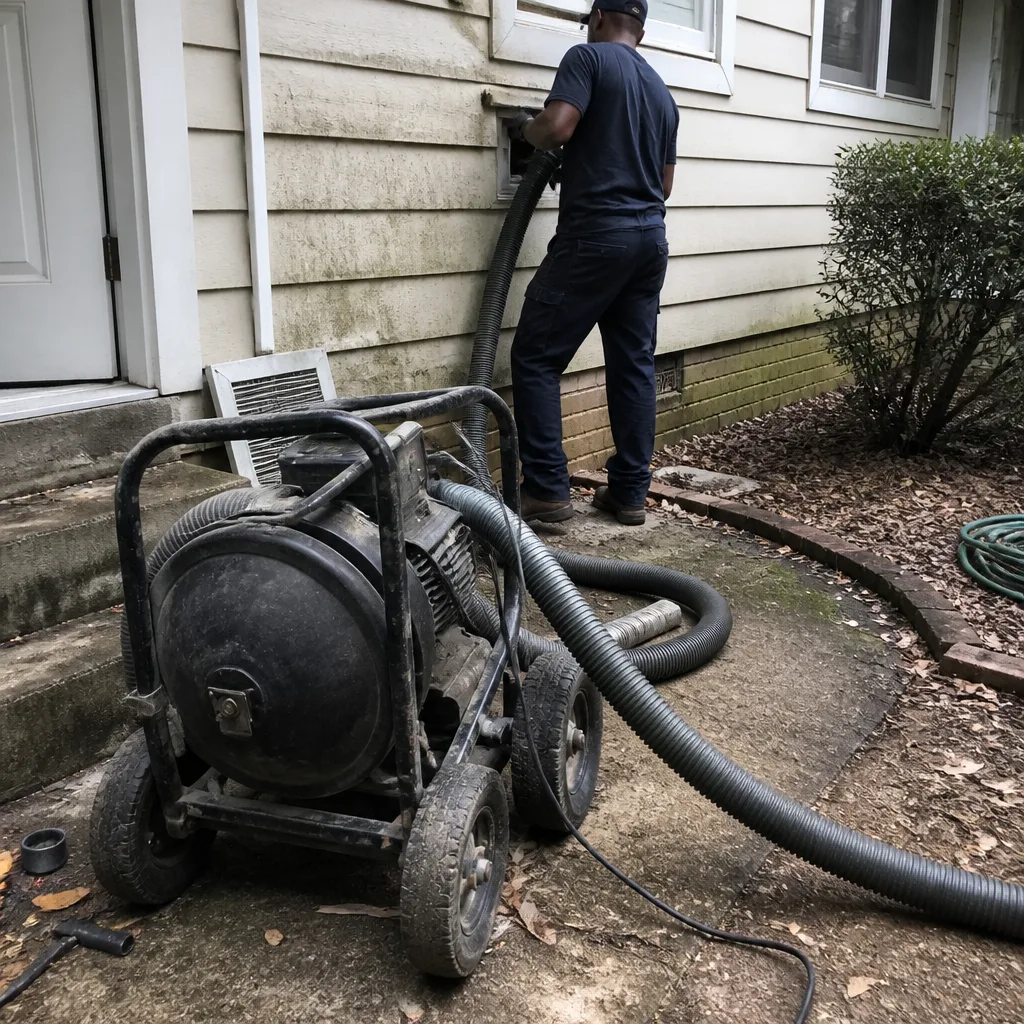 Before
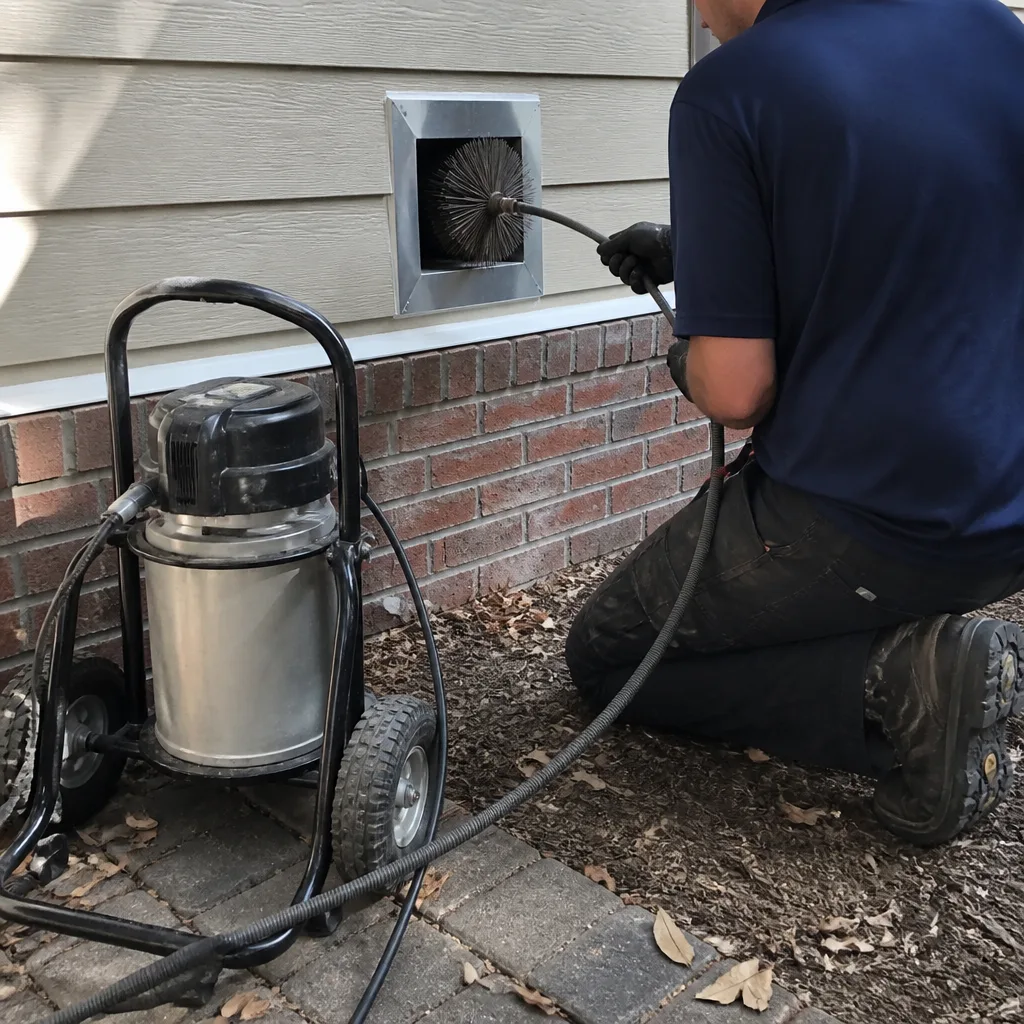 After
AfterAir Duct Cleaning Cost Breakdown: The Atlanta Homeowner’s Reference for 2026
The $79 duct cleaning special that lands in Atlanta mailers every spring covers approximately 10 vents with a portable vacuum. The average Atlanta ranch home built between 1995 and 2015 has 18 to 24 supply and return vents. That gap between what’s quoted and what exists is where most pricing disputes begin, and it’s entirely predictable once you understand how air duct cleaning is actually scoped and priced.
In this guide, we’ll break down what air duct cleaning costs in Atlanta in 2026, line by line, so you can evaluate any quote against the actual work required. For related reading, see our Air Duct Cleaning Maintenance Checklist for Atlanta Homeowners. We’ll cover equipment differences that determine what can and cannot be removed from your system, how to count your own vents before calling a contractor, and when an on-site add-on is legitimate versus when it’s an upsell tactic with no documented basis.
Quick Answer
Professional air duct cleaning in Atlanta costs between $380 and $780 for a typical 1,800 to 2,800 square foot home with 16 to 24 vents, using truck-mounted negative-pressure extraction. Add-ons such as dryer vent cleaning, air handler service, or evaporator coil cleaning add $120 to $450 depending on accessibility and condition. The difference between a $79 coupon special and a $600 professional job is not markup; it’s equipment capability, vent count coverage, and whether the scope is documented in writing before work begins.
Table of Contents
- What Determines the Base Price in Atlanta
- 2026 Atlanta Price Table: Line by Line
- Portable Unit vs. Truck-Mounted: What the Equipment Actually Does
- Per-Vent Pricing vs. Whole-System Pricing
- When Additional Charges Are Legitimate vs. Upsell Tactics
- What a 365-Day Accountability Window Is Worth in Real Dollars
- Atlanta-Specific Factors That Affect Pricing
- Common Mistakes to Avoid
- When to Call a Professional
- Frequently Asked Questions
BeforeAfterWhat Determines the Base Price in Atlanta
Four variables set the floor price for any duct cleaning job in Atlanta: home square footage, total vent count, duct material type, and accessibility.
Home square footage correlates roughly with duct system size, though it’s an imperfect proxy. A 2,400 square foot home in Decatur with a finished basement may have 28 vents across two systems, while a 2,800 square foot contemporary in Buckhead with a single zoned system might have 18. We use square footage as a starting point, then verify vent count on site before writing the price.
Vent count is the actual labor determinant. Each supply register and return grille represents a termination point that must be accessed, sealed during negative-pressure extraction, and photographed. In our experience across Atlanta’s intown neighborhoods and northern suburbs, most homes fall into these ranges:
- Homes under 1,600 sq ft: 10-16 vents (typically 1 system)
- 1,600-2,400 sq ft: 16-22 vents (1 system, occasionally 2)
- 2,400-3,500 sq ft: 20-30 vents (often 2 systems)
- 3,500+ sq ft or multi-level: 28-40+ vents (2-3 systems)
Duct material matters for both technique and risk. Flex duct, common in Atlanta homes built 1985-2010, requires lower suction pressure to avoid collapsing or disconnecting at the boot. Rigid metal duct, found in older intown homes and new construction, can tolerate higher CFM extraction but may have decades of accumulated debris at elbows and transitions. Board duct and ductboard plenums, common in attics across Sandy Springs and Marietta, require careful handling to avoid damaging the sealed surface.
Accessibility affects time on job. A system with the air handler in a walkout basement and main trunk in an unfinished basement takes roughly 40% less time than one with the air handler in a sweltering attic in July and flex duct snaked through a sealed crawl space in Virginia-Highland. Atlanta’s climate means attic work is often performed in 120°F+ conditions from June through September, which affects crew scheduling and, at the margin, pricing for difficult access jobs.
At CleanRun, we verify all four variables during our pre-arrival phone review and confirm them on site before writing the price under Haven Standard Clause 1. No work begins until the customer has the written scope and price in hand.
2026 Atlanta Price Table: Line by Line
The table below reflects what we observe in the Atlanta market for documented, professional-grade work with before-and-after photography and written warranty. These are not coupon prices; they are the cost of a job that can be verified after completion.
| Service Item | Typical Range (Atlanta 2026) | What Determines Where You Fall |
|---|---|---|
| Base system cleaning, under 1,600 sq ft (10-16 vents) | $320-$480 | Vent count, single vs. return plenum, accessibility |
| Base system cleaning, 1,600-2,400 sq ft (16-22 vents) | $420-$620 | System count, duct material, debris load |
| Base system cleaning, 2,400-3,500 sq ft (20-30 vents) | $580-$780 | Multi-system configurations, attic/crawl access |
| Base system cleaning, 3,500+ sq ft (28-40+ vents) | $720-$1,100 | System count, commercial-grade equipment need |
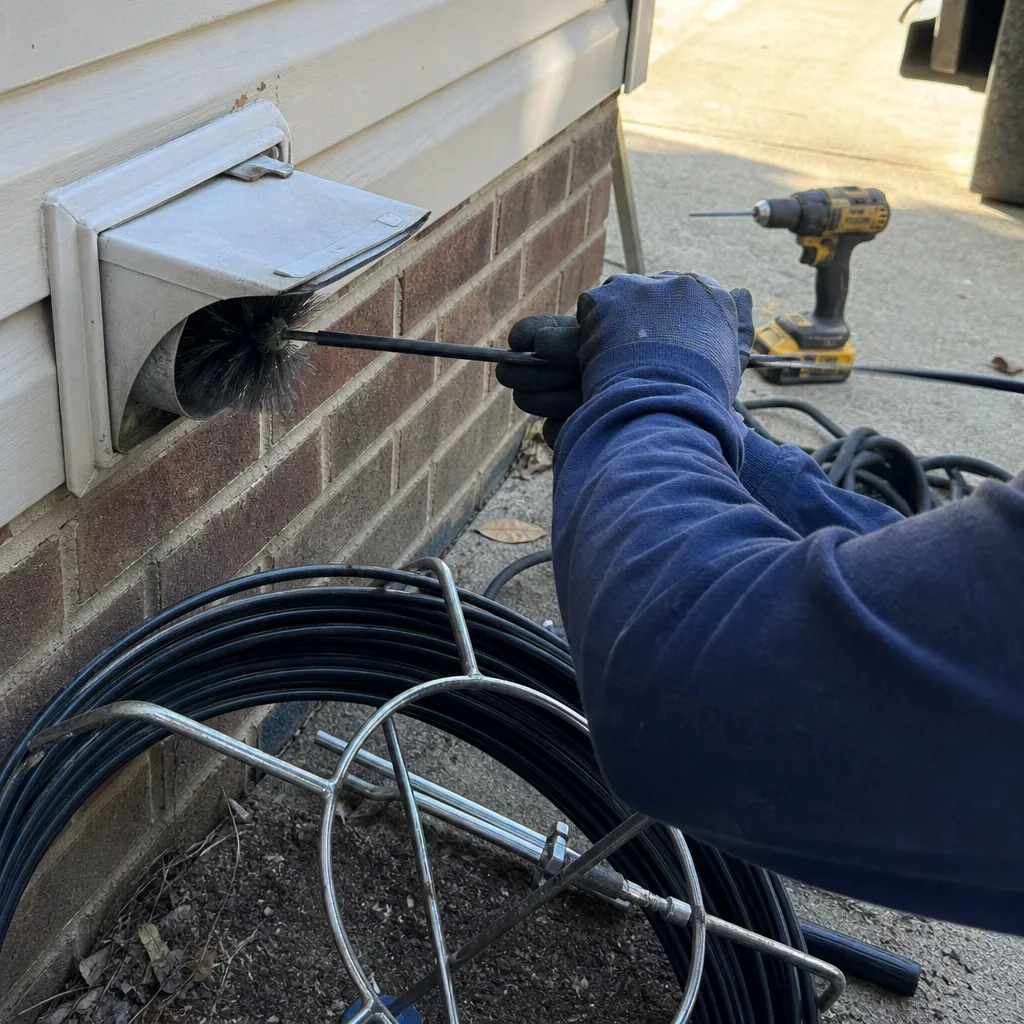
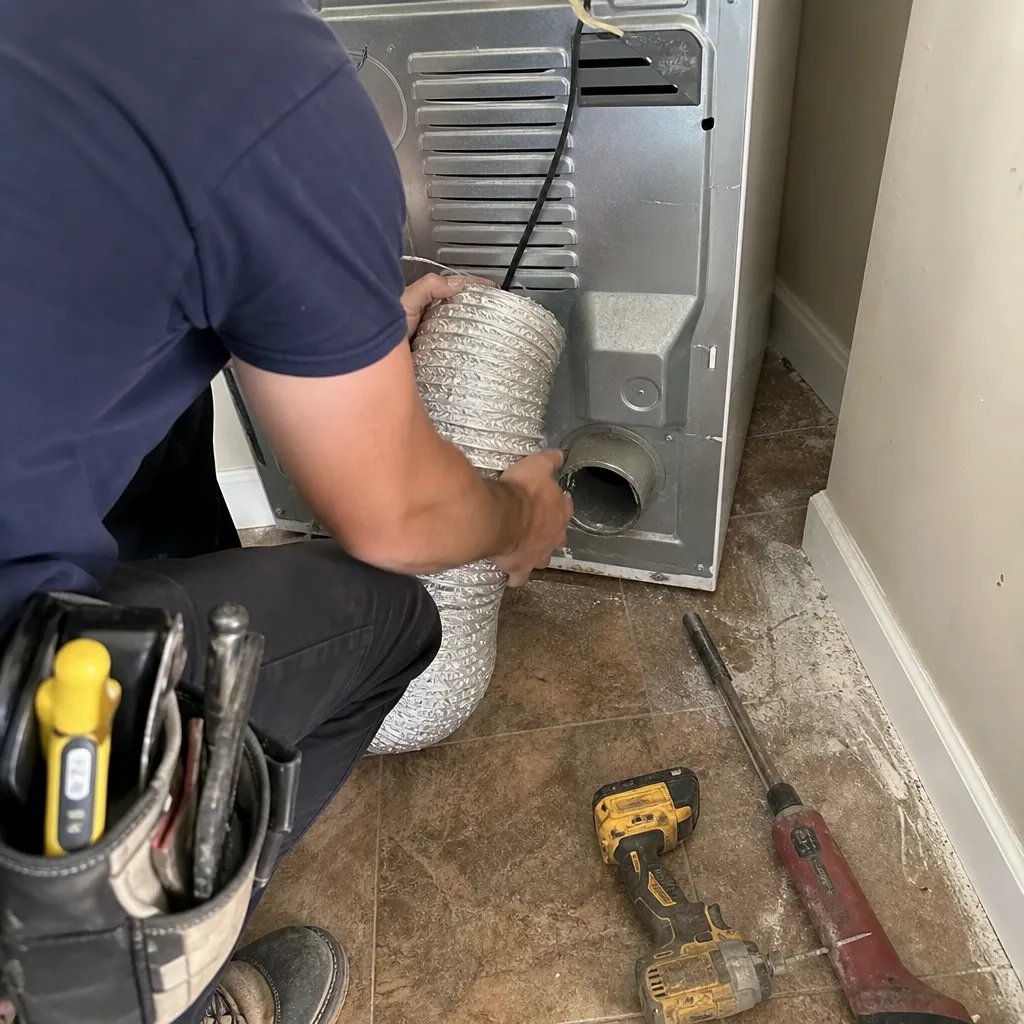
| Dryer vent cleaning (add-on) | $120-$220 | Length, number of elbows, roof termination vs. wall |
| Air handler / blower cabinet cleaning | $140-$240 | Accessibility, blower wheel condition |
| Evaporator coil cleaning | $180-$350 | Coil location (cased vs. uncased), contamination level |
| Sanitizing / antimicrobial treatment | $120-$280 | System size, product used, application method |
| Duct boot resealing (per boot) | $45-$85 | Access difficulty, mastic vs. tape repair |
| Flex-duct reconnection / repair | $85-$180 | Location, damage extent, insulation replacement need |
| Mastic sealant application (per joint/transition) | $35-$65 | Accessibility, joint configuration |
| Plenum repair or replacement | $220-$450 | Material, size, insulation requirements |
These ranges assume truck-mounted negative-pressure extraction with professional-grade equipment. A portable unit job, discussed in the next section, may quote 30-50% lower but cannot perform equivalent work.
At CleanRun, every quote is written and agreed before work begins. We do not offer “starting at” pricing or per-vent rates that change on site. The price you approve is the price on the invoice.
Portable Unit vs. Truck-Mounted: What the Equipment Actually Does
The equipment used on your job determines what can physically be removed from the ductwork. This is not a branding distinction; it’s a matter of airflow physics measured in cubic feet per minute (CFM).
Portable units, the type typically used for $79-$149 coupon specials, generate 1,500-3,500 CFM of suction. They’re useful for light maintenance in small systems with minimal debris, or for spot cleaning of individual registers. What they cannot do: maintain consistent negative pressure across a 25-foot flex-duct run with multiple elbows, or dislodge adhered debris from duct walls without mechanical agitation. In our documentation from Atlanta homes, we’ve photographed portable-unit jobs where the camera showed undisturbed debris layers 2-3 inches thick past the first elbow, because the suction decayed to insufficient levels within 8-10 feet of the register.
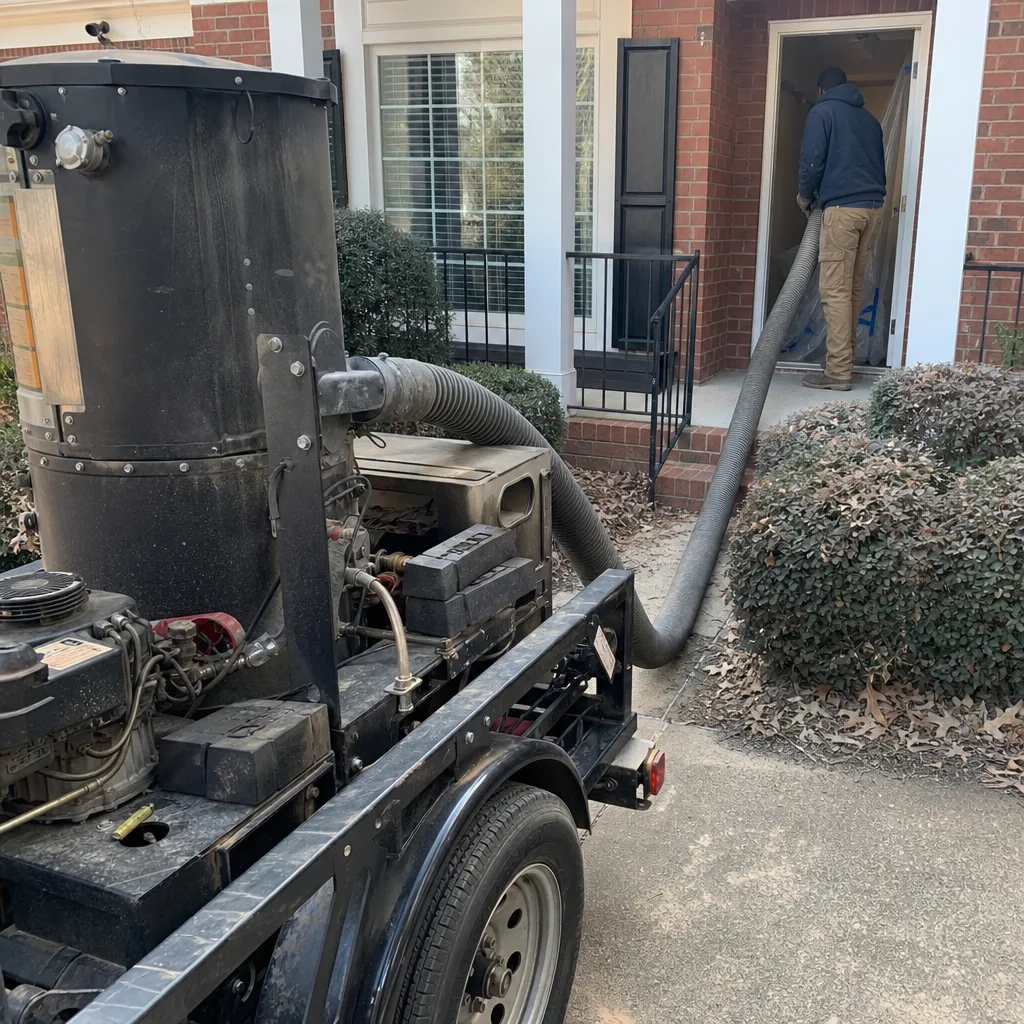
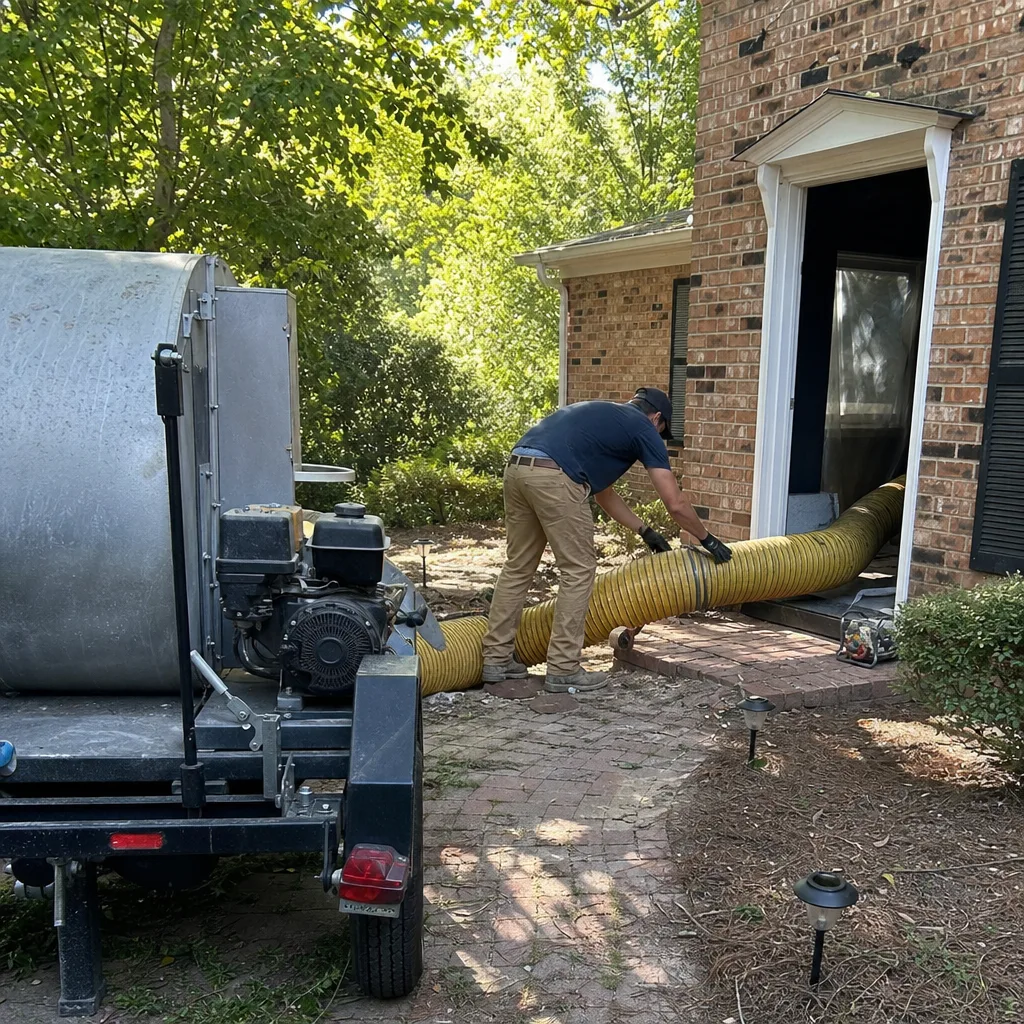
Truck-mounted systems, such as those built on Nikro and Abatement Technologies platforms, generate 10,000-15,000+ CFM through a dedicated power take-off. More importantly, they maintain that pressure through a sealed collection system that captures debris at the source rather than recirculating fine particulate through a shop-vac filter. The critical difference for Atlanta homeowners: truck-mounted systems can pull a true negative pressure across the entire duct system simultaneously, which is the only method that prevents recontamination of cleaned sections during the process.
Here’s how to evaluate what you’re actually getting:
- Ask for the CFM rating of the equipment being used. A contractor using truck-mounted equipment will know this number. “High-powered” or “commercial-grade” without a number is not an answer.
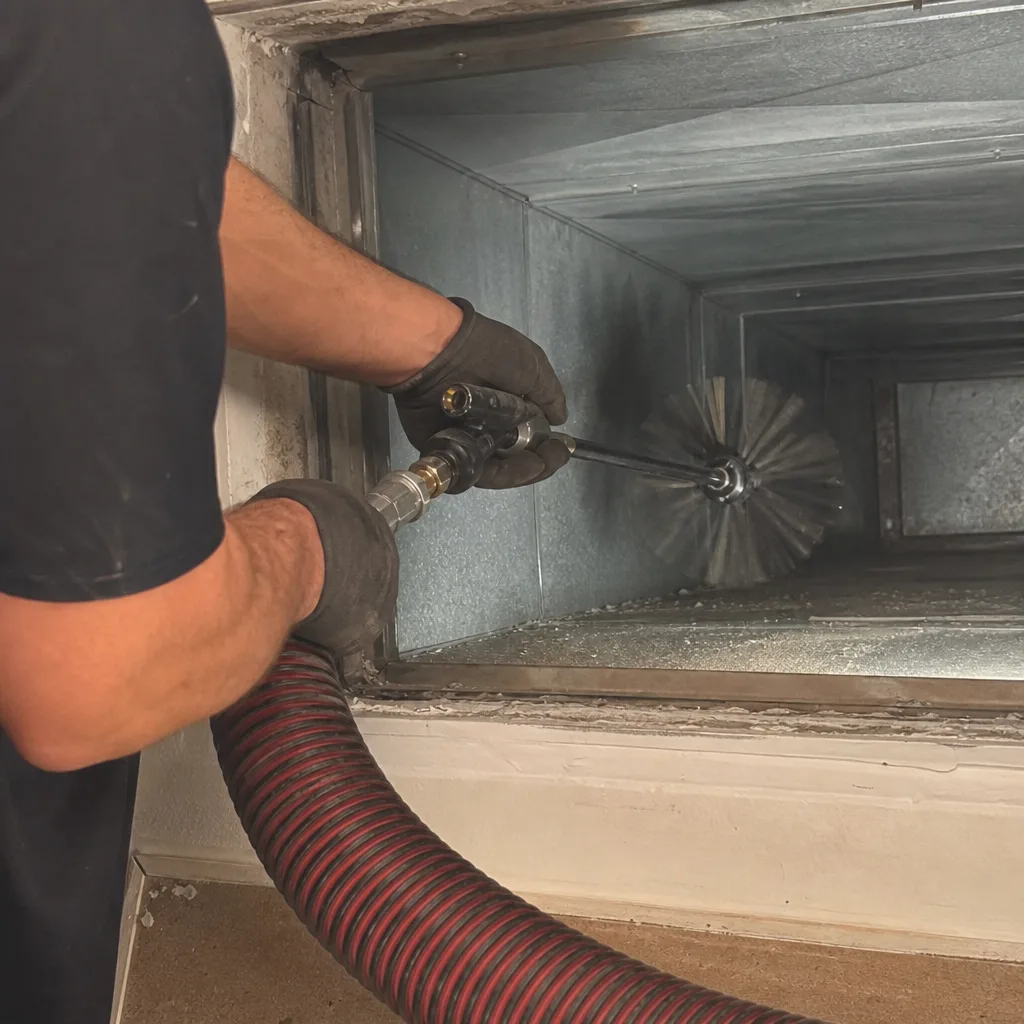
- Ask whether the system uses mechanical agitation in addition to suction. Rotobrush systems, which we deploy on appropriate jobs, use rotating bristle contact to dislodge adhered debris that suction alone cannot remove. This matters in Atlanta’s older homes where decades of accumulation have compressed into the duct wall.
- Ask to see the filter or collection chamber after the job. A legitimate truck-mounted system will have visible debris in a sealed collection container. A portable unit with a small filter will show minimal capture even after hours of operation, because the fine particulate passes through.
- Request before-and-after photography from inside the duct runs, not just at the register face. If a contractor cannot or will not provide this, you have no verification that the full duct run was addressed.
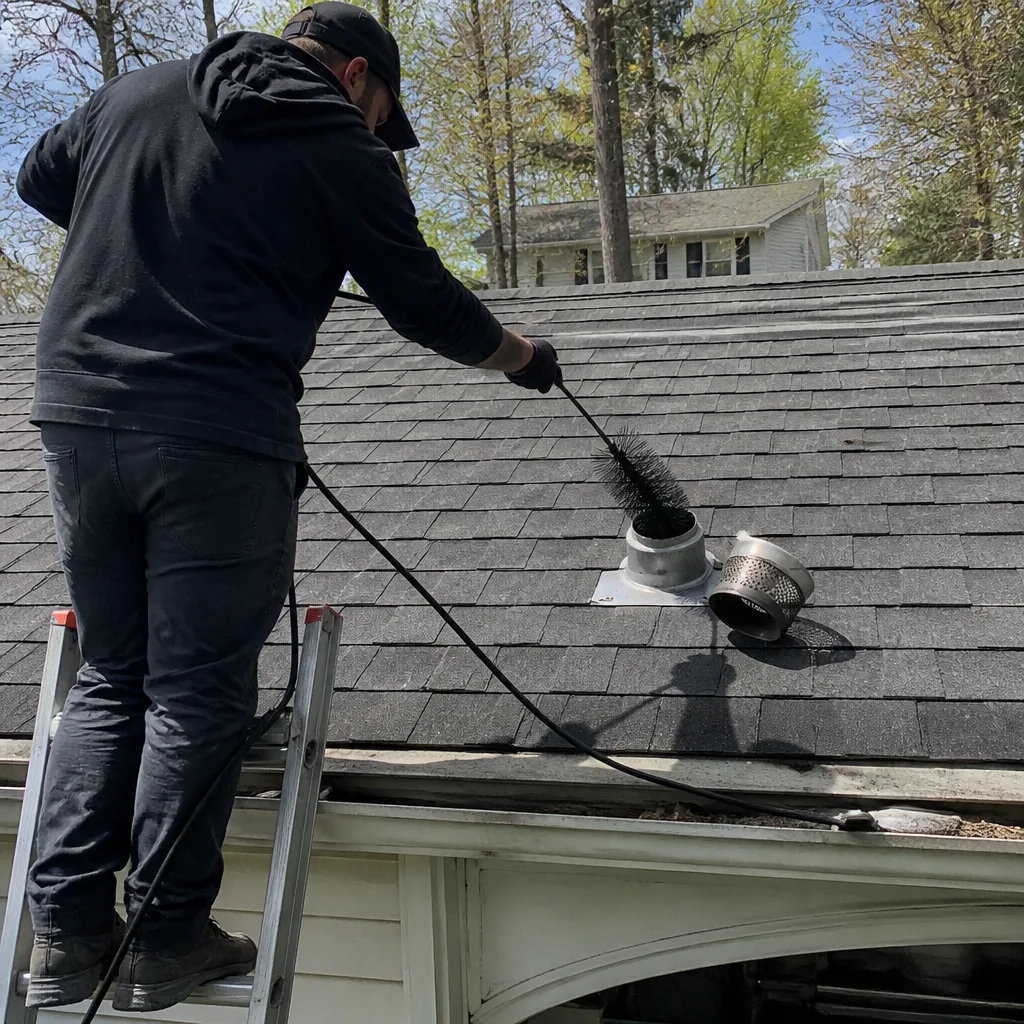
CleanRun has used truck-mounted negative-pressure systems since 2013, with equipment from Rotobrush, Nikro, and Abatement Technologies. We photograph inside every duct run before and after, and the photo record is included as a standard deliverable on every job. Customers in neighborhoods from Grant Park to Alpharetta have used these records to verify work quality and, in several cases, to document home condition for resale.
Per-Vent Pricing vs. Whole-System Pricing
Per-vent pricing is structurally designed to produce a low initial quote that increases on site. Here’s how it works in practice.
A contractor advertises “$12 per vent” or “$79 for up to 10 vents.” The average Atlanta homeowner, unfamiliar with their exact vent count, estimates “maybe 12 or 15.” The crew arrives, counts 22 vents including returns, and the price becomes $264 or the “up to 10 vents” rate plus $25 for each additional vent, totaling $379. The homeowner, now with a technician in their home and time invested, faces pressure to proceed at a price 3-4x the advertised special.
This is not an accident. It’s a business model built on the certainty that most homeowners undercount their vents.
How to count your own vents before calling any contractor:
- Walk every room in your home, including finished basements and attic conversions. Count every supply register (blows air out) and every return grille (pulls air in). Returns are often larger and may be on walls or in hallways.
- Count the returns separately. Many per-vent specials exclude returns entirely, or charge a higher rate for them.
- Check whether you have one system or multiple. In Atlanta, homes over 2,400 square feet or with finished basements often have two furnaces/air handlers. Each system has its own duct network and must be priced separately.
- Include the main trunk and plenum. Even whole-system pricing should specify whether the main trunk lines and plenum (the central distribution box) are included, or if they’re priced as add-ons.
Whole-system pricing, as CleanRun provides under Haven Standard Clause 1, names a single price for the complete scope: all supply and return vents, the main trunk, the plenum, and the registers. There is no per-vent arithmetic, no surprise multiplier, and no post-arrival price change. The written scope lists every component included, and the price is fixed before work begins.
In our experience, homeowners who count their own vents before calling are better prepared to evaluate quotes and less susceptible to on-site pressure. We encourage it. If you call CleanRun at (470) 495-9370, we’ll walk through your count with you during the scheduling call and confirm it on arrival.
When Additional Charges Are Legitimate vs. Upsell Tactics
Not every add-on is a scam. Some are necessary corrections discovered during legitimate work. The distinction lies in whether the recommendation is supported by documented evidence shown to you, or is a verbal claim with no visual basis.
Legitimate add-ons have these characteristics:
- The technician shows you a photograph or video of the condition from inside the duct or at the component.
- The issue was not visible or predictable before the duct panels were opened or the camera was inserted.
- The technician can explain the consequence of deferring the work, in specific terms: “This disconnected boot is dumping conditioned air into your attic, which we can measure at the register with an anemometer.”
- The price is written and presented before the additional work begins, not added to the invoice after completion.
Upsell tactics have these characteristics:
- The recommendation is delivered verbally, with no photograph or physical evidence.
- The “problem” is described in vague, alarming language: “black mold,” “toxic buildup,” “biofilm contamination” - terms that sound specific but are not supported by laboratory analysis or even clear photography.
- The additional service is presented as urgent and non-deferrable, with pricing pressure tied to the technician’s immediate availability.
- The original quoted price becomes a prerequisite for the “necessary” add-on: “We can’t properly clean the system with this damage, so the base price doesn’t apply unless we fix it.”
Atlanta’s climate creates conditions where certain add-ons are genuinely common. High humidity from May through October means evaporator coils in attic systems often show microbial growth that affects airflow and indoor air quality. The difference is documentation: at CleanRun, we photograph the coil condition and show it to the homeowner before recommending cleaning. The photo becomes part of the job record, alongside the written price for the add-on.
Similarly, duct boots in older Atlanta homes, particularly in neighborhoods like Kirkwood and East Atlanta Village where housing stock dates to the 1920s-1950s with later HVAC retrofits, often separate from drywall due to decades of vibration. A disconnected boot is a legitimate find. But we photograph the gap, measure the airflow loss at the register, and write the repair price before touching a tool.
The framework is simple: documented evidence, written price, customer approval. Anything else is not a legitimate add-on under the Haven Standard.
What a 365-Day Accountability Window Is Worth in Real Dollars
Most duct cleaning jobs in Atlanta are sold as one-time transactions with no ongoing accountability. The crew leaves, the invoice is paid, and any subsequent issue - dust blowing from registers, odor return, visible debris - requires paying another contractor to diagnose and potentially re-clean. The true cost of a “cheap” job must include this risk.
The 365-Day Done Right Promise, which CleanRun has backed in writing on every job since 2013, changes the cost calculation. Here’s how to value it in dollar terms:
Avoided callback costs: A return visit for a complaint - dust, odor, or suspected incomplete work - typically costs $150-$300 for diagnosis alone, plus $200-$500 if re-cleaning is warranted. With a written 365-day guarantee, this cost is borne by the original contractor, not the homeowner.
Documentation value for resale: Atlanta’s real estate market remains active, and home inspectors increasingly note HVAC system condition in their reports. A documented photo record from a professional duct cleaning, with dated before-and-after images and a written warranty, provides verifiable evidence of maintenance. We’ve had customers in Decatur and Brookhaven use their CleanRun photo records to satisfy buyer requests without re-cleaning.
Re-cleaning fee avoidance: Without accountability, a contractor who does substandard work can be hired again to “fix” the same problem, at full price. The 365-day window prevents this cycle by making the original contractor responsible for resolution.
Time and coordination cost: Scheduling multiple contractors, taking time off work, and managing disputes has a cost that doesn’t appear on invoices. A single accountable provider eliminates this friction.
When comparing a $450 job with written 365-day accountability and photo documentation against a $280 job with neither, the effective price difference is smaller than it appears. One callback or re-cleaning eliminates the savings entirely. Two callbacks make the “cheaper” option significantly more expensive.
The Haven Standard requires written accountability. CleanRun’s 365-Day Done Right Promise is not a policy subject to manager discretion; it’s a contractual term on every job, backed by the documentation to verify whether the work was performed as specified.
Atlanta-Specific Factors That Affect Pricing
Several local conditions influence what duct cleaning costs and what it should accomplish in the Atlanta market.
Climate and seasonal demand: Atlanta’s pollen season, typically February through April, produces some of the highest tree pollen counts in the nation. Homes with outdoor air intakes or aging filter systems often see significant pollen accumulation in ductwork. This creates genuine seasonal demand, but also attracts fly-by-night operators who appear in March and disappear by June. Established companies with year-round operations and verifiable histories - CleanRun has operated continuously since 2013 - are not dependent on seasonal coupon volume.
Housing stock age and construction type: Intown neighborhoods from Inman Park to West End feature homes with original ductwork from HVAC retrofits, often with undersized returns and creative routing through crawl spaces. Suburban construction from the 1980s through 2000s in Alpharetta, Johns Creek, and Peachtree Corners typically uses flex duct in attics, which degrades faster in Atlanta’s heat and humidity. Newer construction in areas like West Midtown and the BeltLine corridor often has tighter building envelopes and more complex zoned systems. Each type requires different equipment configurations and time estimates.
Local code and permit context: Duct cleaning itself does not require permits in Fulton, DeKalb, Cobb, or Gwinnett counties. However, duct modification, replacement, or sealing that involves structural changes may trigger permit requirements. A contractor performing legitimate repair work should know whether your job requires permitting and should document this in writing. See our guide to Air Duct Cleaning Permits, Codes & Inspections in GA: What You Need to Know for details. At CleanRun, we specify permit status in our written scope when repairs extend beyond cleaning.
Neighborhood density and access: Atlanta’s older intown neighborhoods often have narrow driveways, limited street parking, and attic access through small scuttle holes. These conditions affect crew size and time on job, which reputable contractors account for in their pricing rather than adding surprise charges on arrival.
Air Duct Cleaning in Atlanta requires local knowledge that national booking platforms and seasonal operators cannot provide. We’ve documented conditions specific to Atlanta homes - from pollen compaction in Buckhead estates to flex-duct degradation in Sandy Springs attics - that inform how we scope and price every job.
Common Mistakes to Avoid
- Accepting a phone quote without a written scope. A verbal price based on square footage alone cannot account for your actual vent count, system configuration, or accessibility. Insist on a written scope that specifies what’s included before any work begins.
- Counting only supply registers and ignoring returns. Many low-price specials exclude returns or charge premium rates for them. Returns are often the dirtiest components because they pull unfiltered air through grille gaps.
- Assuming all “professional” equipment is equivalent. Ask for CFM ratings and brand names. A contractor using Rotobrush, Nikro, or Abatement Technologies equipment can verify this; one using unbranded portable units cannot.
- Paying for “mold treatment” without photographic evidence or lab confirmation. Visual mold in ducts is rare in properly maintained systems. Unsubstantiated mold claims are a common upsell tactic, particularly with seasonal operators.
- Ignoring the warranty terms. A “satisfaction guarantee” with no written duration or specific remedy is not a warranty. Ask for the guarantee in writing, with the process for invoking it clearly stated.
- Scheduling based on lowest price without verifying the contractor’s Atlanta presence. Check for a local business license, verifiable address, and continuous operation history. CleanRun’s Atlanta operation dates to 2013; seasonal operators often use forwarding addresses and disconnected numbers after May.
When to Call a Professional
Call a professional when you can see dust debris blowing from registers, when rooms heat or cool unevenly despite filter changes, when your energy bills have risen without thermostat changes, or when you’ve completed renovation work that generated significant dust. These symptoms indicate duct conditions that filter replacement cannot address.
CleanRun Air Duct Cleaning Atlanta offers free estimates in Atlanta. Every estimate includes a written scope and price before any work begins, under Haven Standard Clause 1. Our technicians are background-checked, uniformed, and identified by name before arrival. Every job is backed by the 365-Day Done Right Promise and includes a Documented Photo Record of every duct run.
Call (470) 495-9370 to schedule. Estimates are free, and we provide a Free Second Opinion on any written estimate from another contractor.
Frequently Asked Questions
Professional air duct cleaning in Atlanta costs $380-$780 for a typical home with 16-24 vents, with whole-system pricing that includes all supplies, returns, trunk lines, and plenum. Add-ons such as dryer vent cleaning, coil cleaning, or sanitizing typically add $120-$450. Call (470) 495-9370 for a written estimate specific to your home - estimates are free.
The $79-$149 specials typically cover 10 vents with portable equipment that cannot clean full duct runs, then add charges for additional vents, returns, and “necessary” treatments on site. A $500-$700 quote from a truck-mounted operator with written scope and documentation covers the actual system without post-arrival price changes. The cheaper quote is almost never cheaper in practice. Call (470) 495-9370 and we’ll explain exactly what our written price includes.
Request before-and-after photography from inside the duct runs, not just at the register face. At CleanRun, we photograph inside every duct run and deliver the photo record as a standard job deliverable. If a contractor cannot show you internal duct photography, you have no verification that the full system was cleaned.
Most Atlanta homes benefit from professional cleaning every 3-5 years, with shorter intervals if you have pets that shed heavily, have completed renovation work, or live in high-pollen areas with outdoor air intake. Homes with continuous HVAC runtime due to Atlanta’s hot summers may accumulate debris faster. The camera doesn’t lie - we can inspect and show you current conditions before recommending timing.
Whole-system cleaning includes all supply registers, return grilles, the main trunk lines, the plenum (central distribution box), and the registers themselves. “Vent cleaning” or “register cleaning” often means only the visible grille and 6-12 inches of duct behind it, leaving the majority of the system untouched. Always ask for a written scope that specifies every component included.
Atlanta’s high humidity and intense pollen season create conditions where debris accumulates faster and microbial growth is more likely in poorly maintained systems. However, climate is not a reason to over-clean or accept unsubstantiated add-ons. The correct approach is documented inspection, evidence-based recommendations, and written pricing - which is the Haven Standard we apply to every Atlanta home we serve.
The Bottom Line
Air duct cleaning prices in Atlanta range from structurally inadequate $79 specials to $1,000+ jobs for large homes with complex systems and legitimate add-ons. The meaningful distinction is not the top-line number but what it pays for: equipment capable of cleaning full duct runs, a scope that covers your actual vent count, documentation you can verify, and accountability that extends beyond the day of service.
At CleanRun, we’ve served over 52,000 homes since 2013 with written prices before every job, truck-mounted equipment from Rotobrush, Nikro, and Abatement Technologies, and a Documented Photo Record included as standard. The 365-Day Done Right Promise means the work remains accountable long after our truck leaves your driveway.
Call (470) 495-9370 for a free written estimate. We’ll count your vents with you, explain what your system needs based on its actual condition, and give you a price that won’t change after we arrive.
CleanRun Air Duct Cleaning Atlanta home
Dryer Vent Cleaning in Atlanta
Written by Tomas Reyes, Owner at CleanRun Air Duct Cleaning Atlanta, serving Atlanta since 2013.