
Last updated September 23, 2026
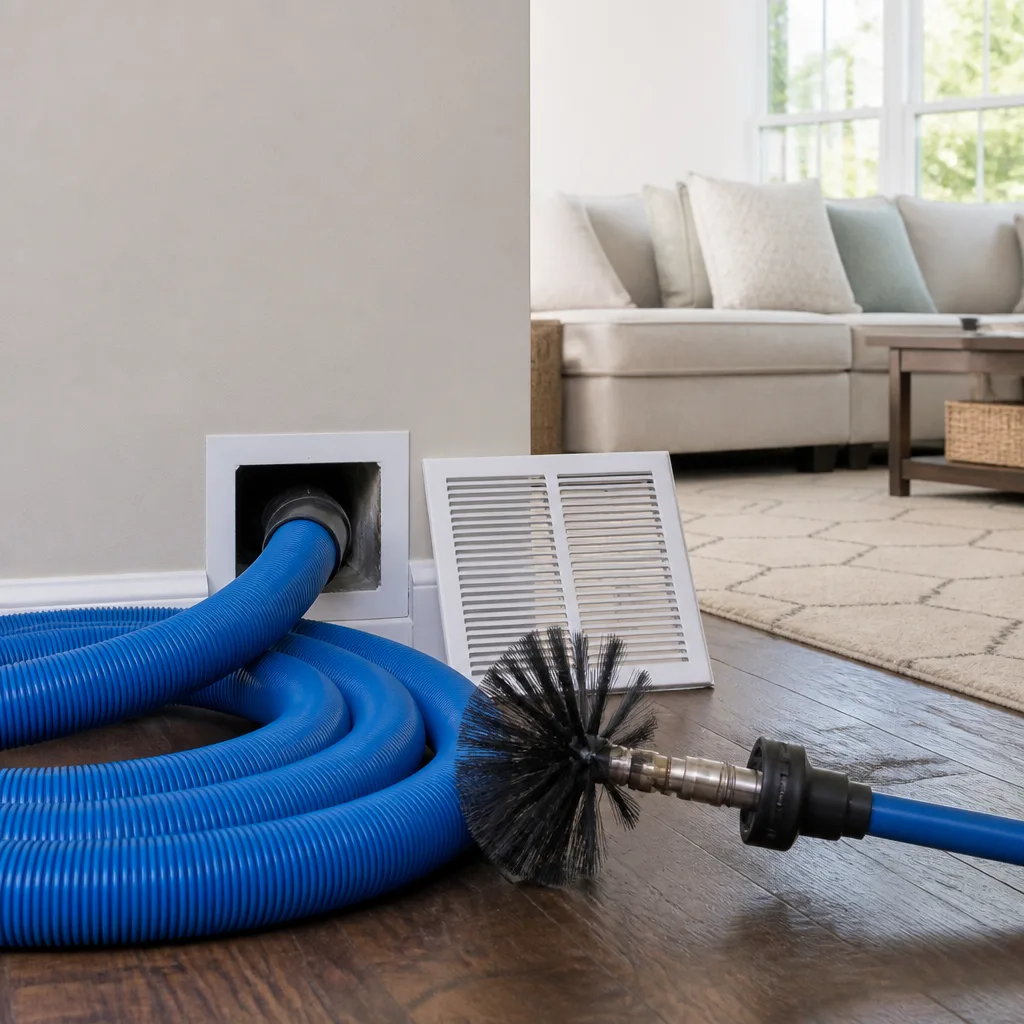
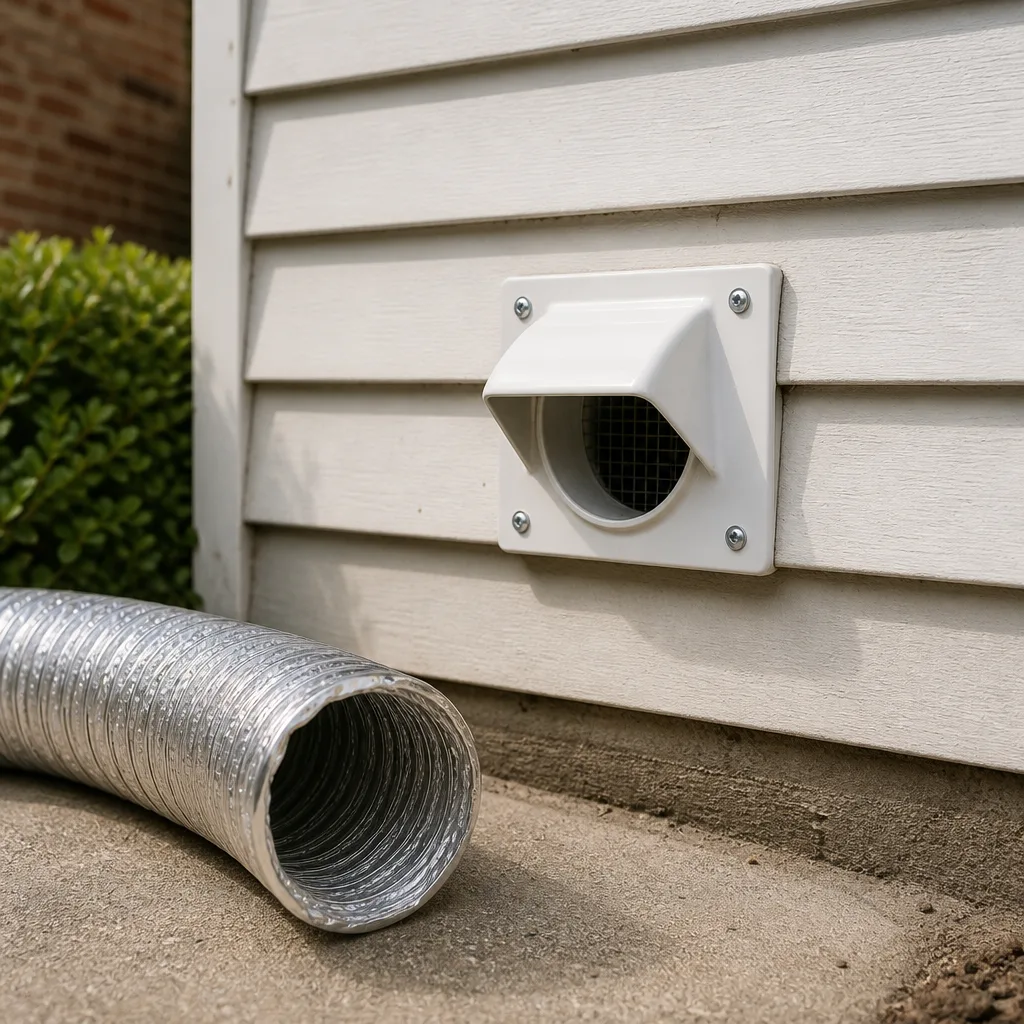
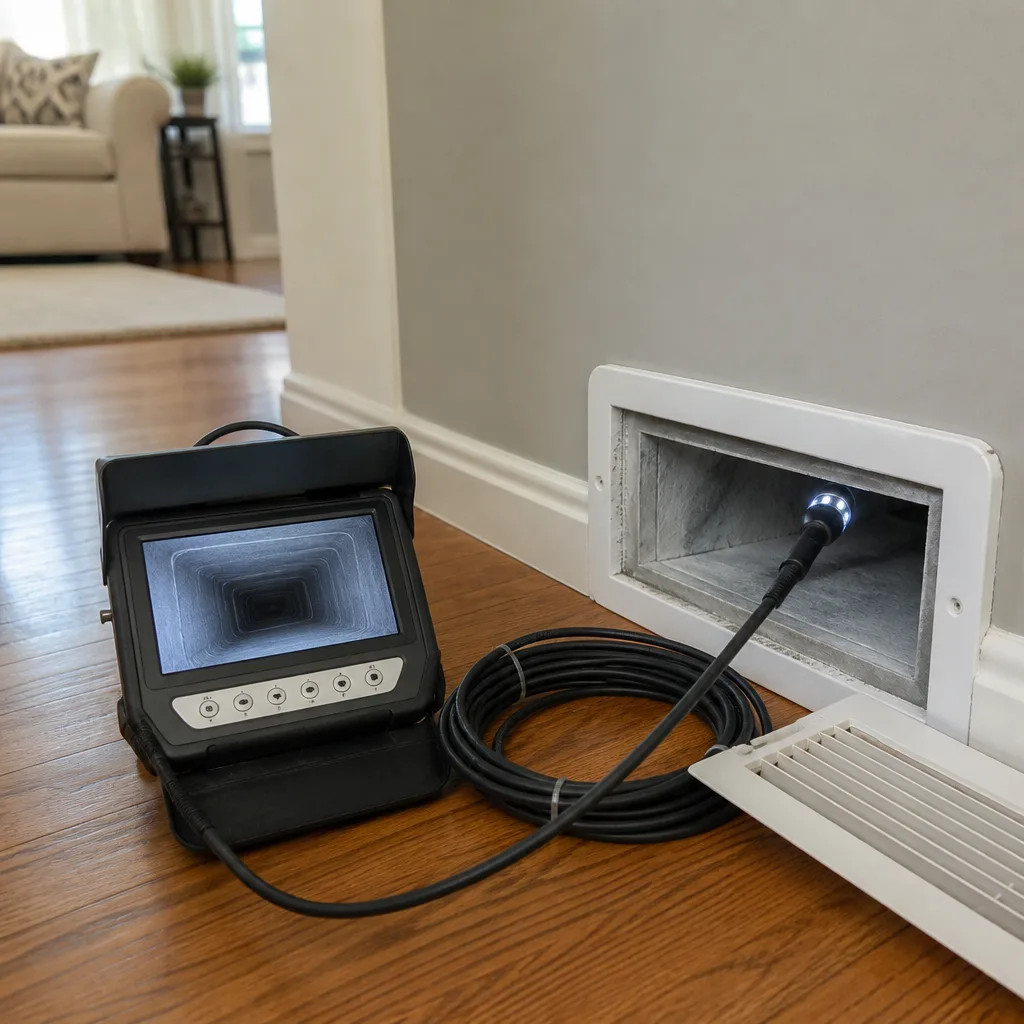
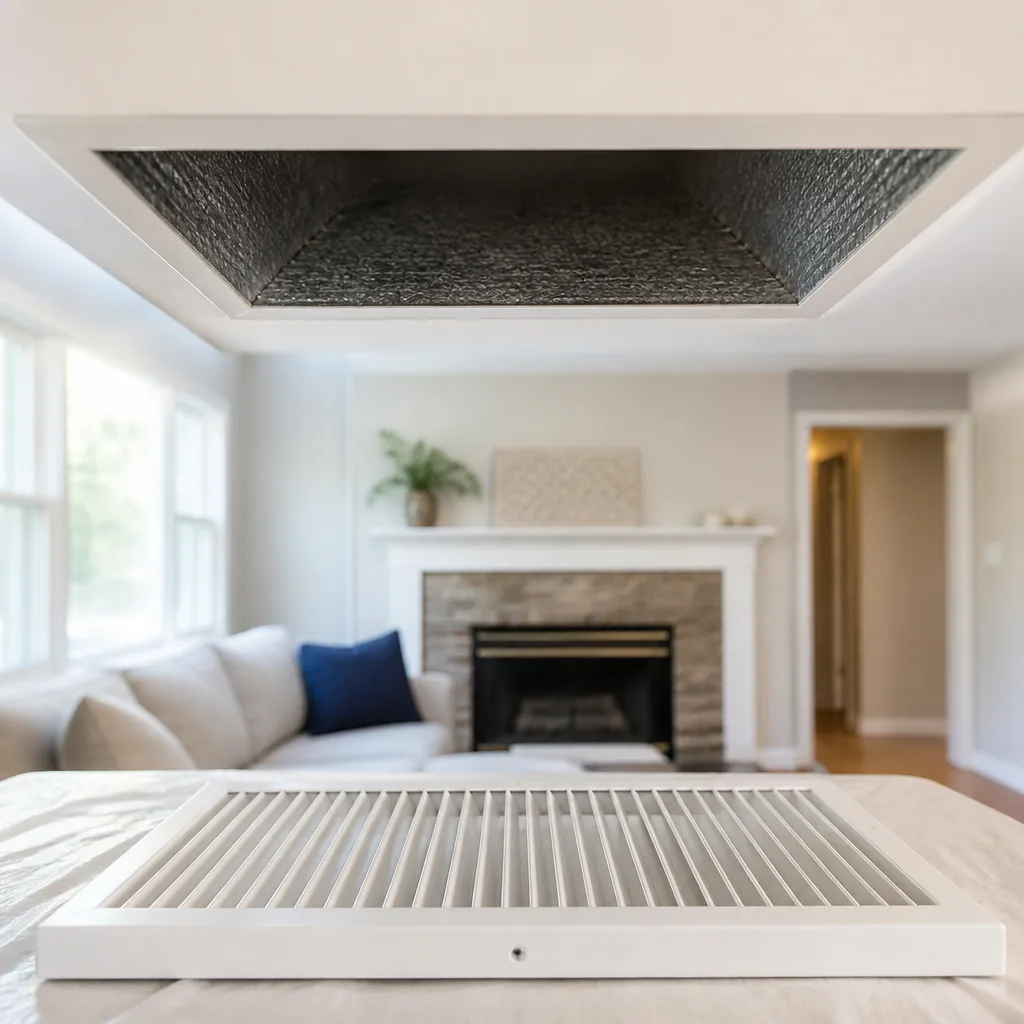
Whole-system duct and dryer vent check with before-and-after photos - you see exactly what came out of your vents
That "$99 whole-house special" is a bait ad - the real number appears once they are in your hallway, or the "clean" is a shop-vac at the register. We photograph the inside of your ducts before and after instead.
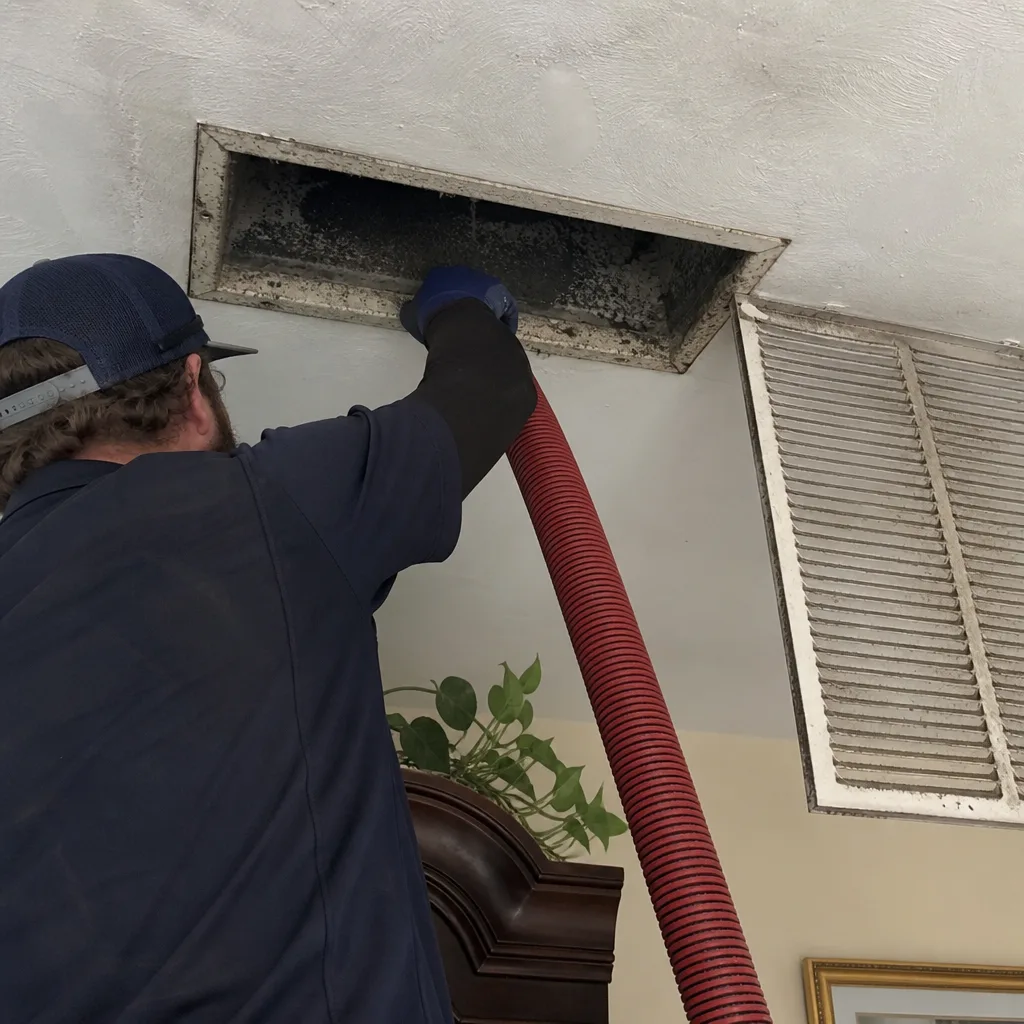 Before
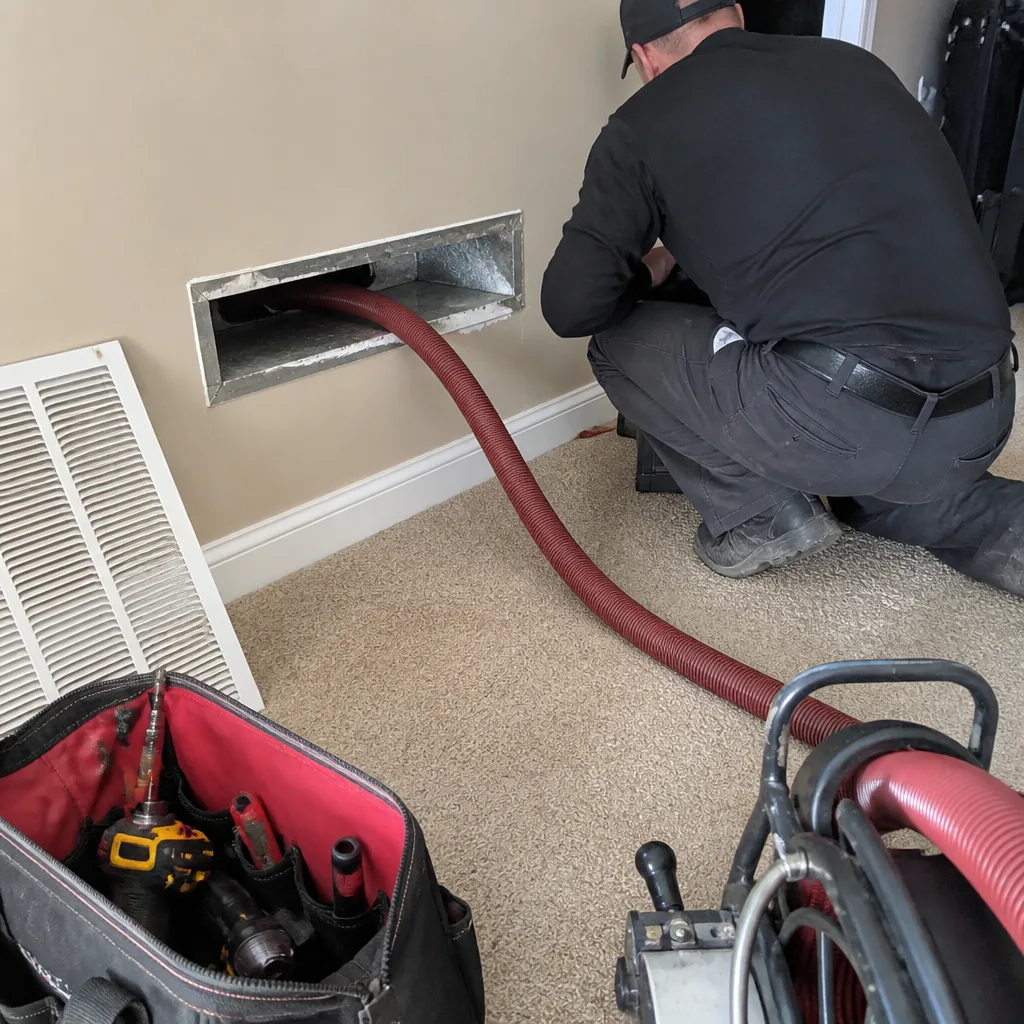 After
After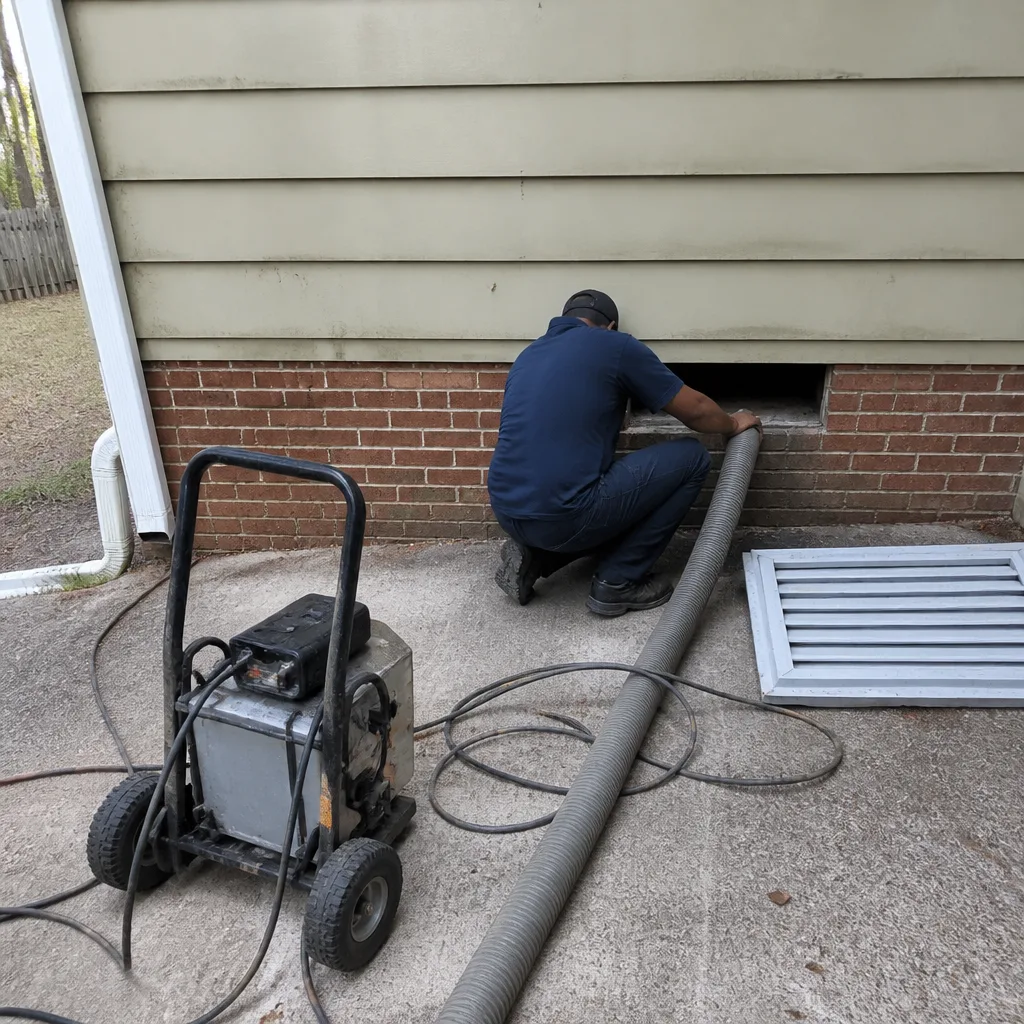 Before
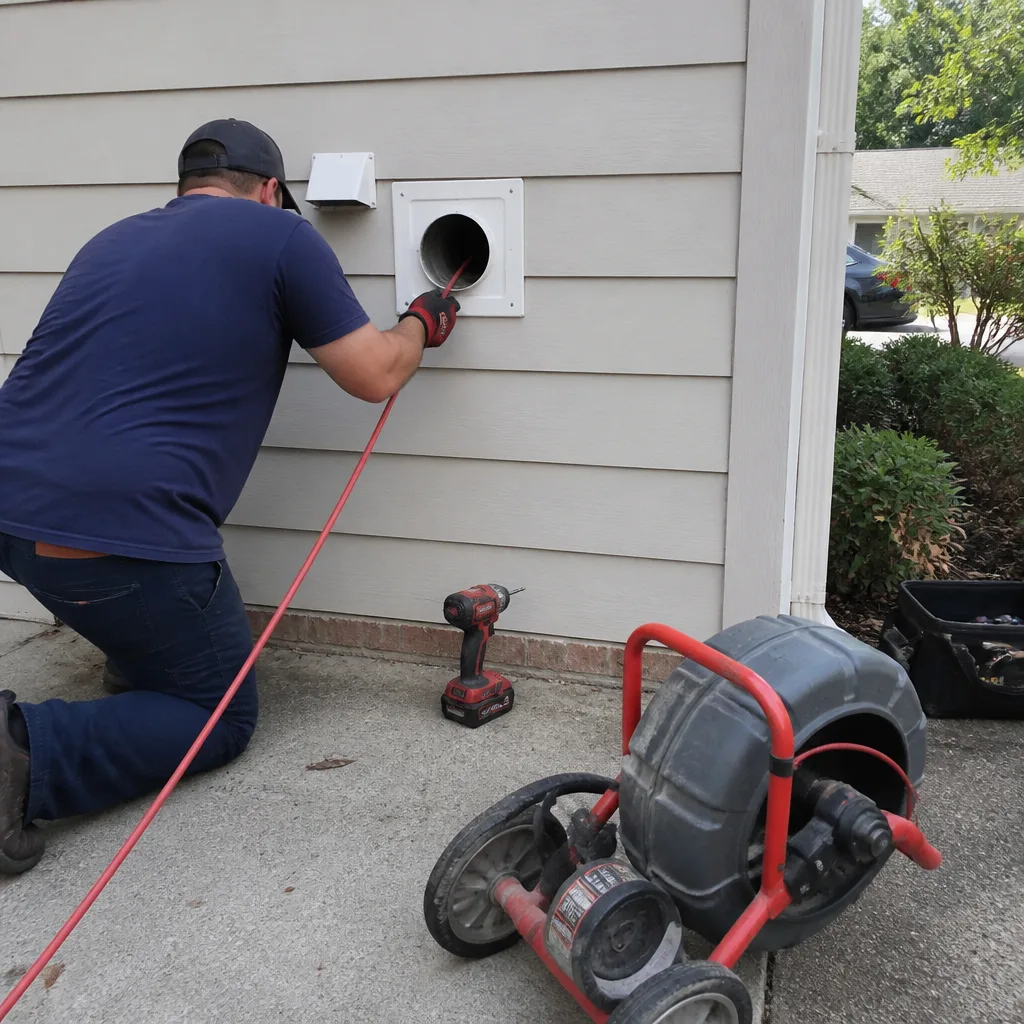 After
After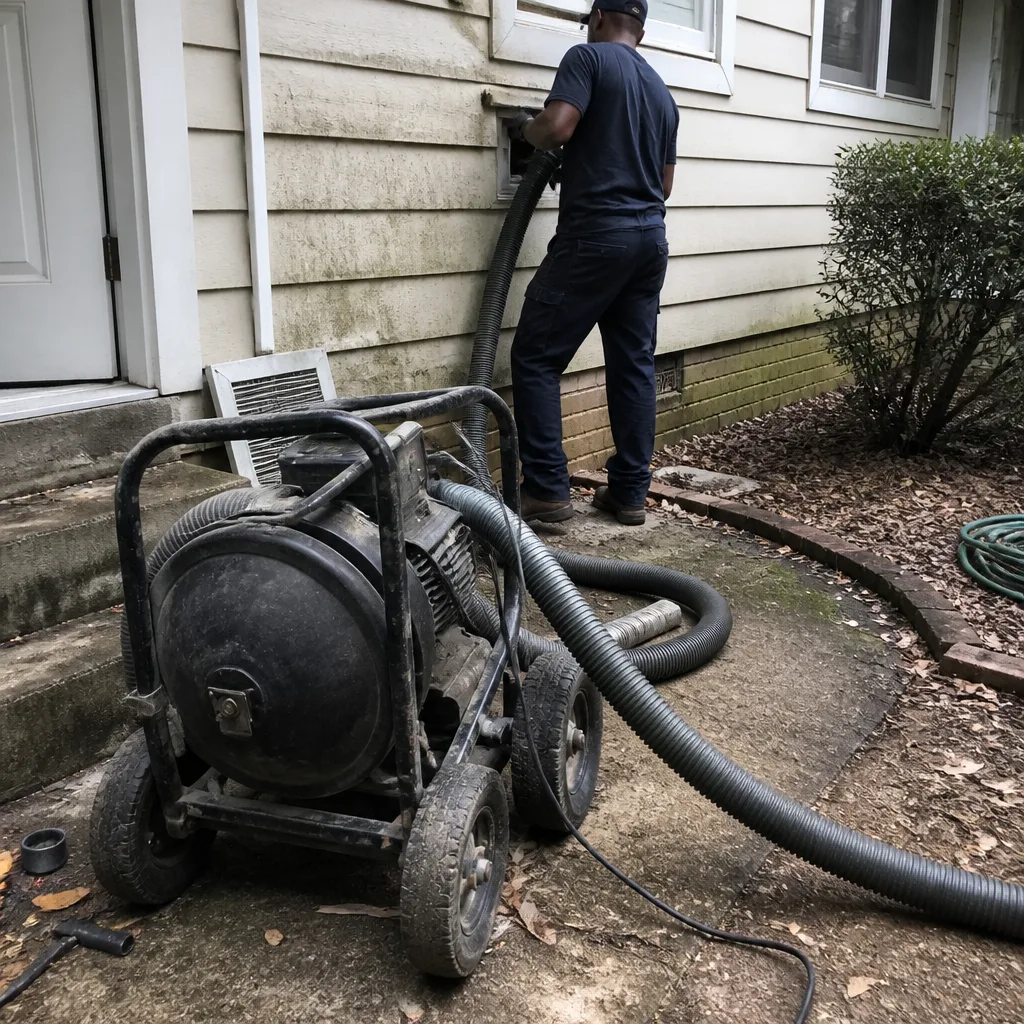 Before
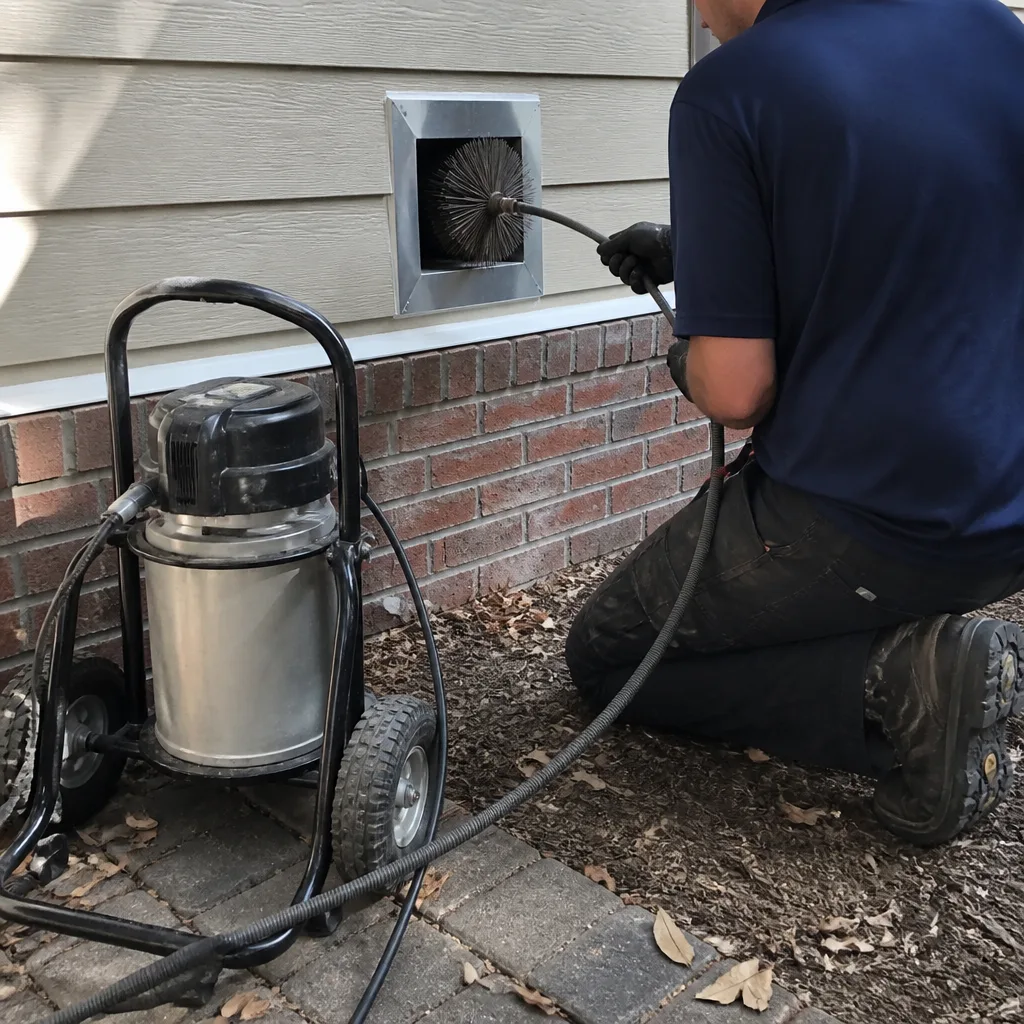 After
AfterAir Duct Cleaning Permits, Codes & Inspections in GA: What You Need to Know
Here’s a fact that surprises most Atlanta homeowners: the duct cleaning itself almost never needs a permit, but the repairs that cleaning reveals frequently do. In 2023, a Buckhead seller nearly lost a $1.2 million closing when a home inspector flagged a reconnected flex-duct run in the attic that had been replaced without a mechanical permit two years earlier. The work was done correctly. The contractor was reputable. But the permit was never pulled, and that gap in documentation became a material defect on the Seller’s Property Disclosure Statement. This guide draws the precise legal line between air duct cleaning and alteration so you don’t face the same surprise.
Quick Answer
The Complete Guide to Air Duct Cleaning in Atlanta explains that air duct cleaning in Georgia does not require a permit because it is classified as maintenance. However, any repair that alters airflow capacity, changes duct routing, or replaces ductwork does require a mechanical permit under the Georgia State Amendments to the International Mechanical Code. In the Atlanta metro, Fulton, DeKalb, Gwinnett, and Cobb counties each enforce this threshold differently, and unpermitted duct repairs can surface as material defects during home sales.
Table of Contents
- When Duct Cleaning Becomes a Permitted Alteration
- The Exact Georgia Code Language Homeowners Should Know
- How Atlanta-Area Jurisdictions Handle Permits Differently
- What a Legitimate Duct Repair Permit Process Looks Like
- How Unpermitted Duct Work Surfaces in Georgia Real Estate Sales
- Duct Cleaning Company vs. Licensed HVAC Mechanical Contractor
- What Homeowners Should Demand Before Any Work Starts
- Common Mistakes to Avoid
- When to Call a Professional
- Frequently Asked Questions
BeforeAfterWhen Duct Cleaning Becomes a Permitted Alteration
The distinction seems simple until you’re standing in your attic watching a technician cut out a collapsed duct run. Cleaning is maintenance. Replacement is alteration. But the middle ground is where most homeowners get caught.
Under Georgia’s adopted codes, maintenance activities that do not modify the system’s design, capacity, or routing are exempt from permitting. This includes:
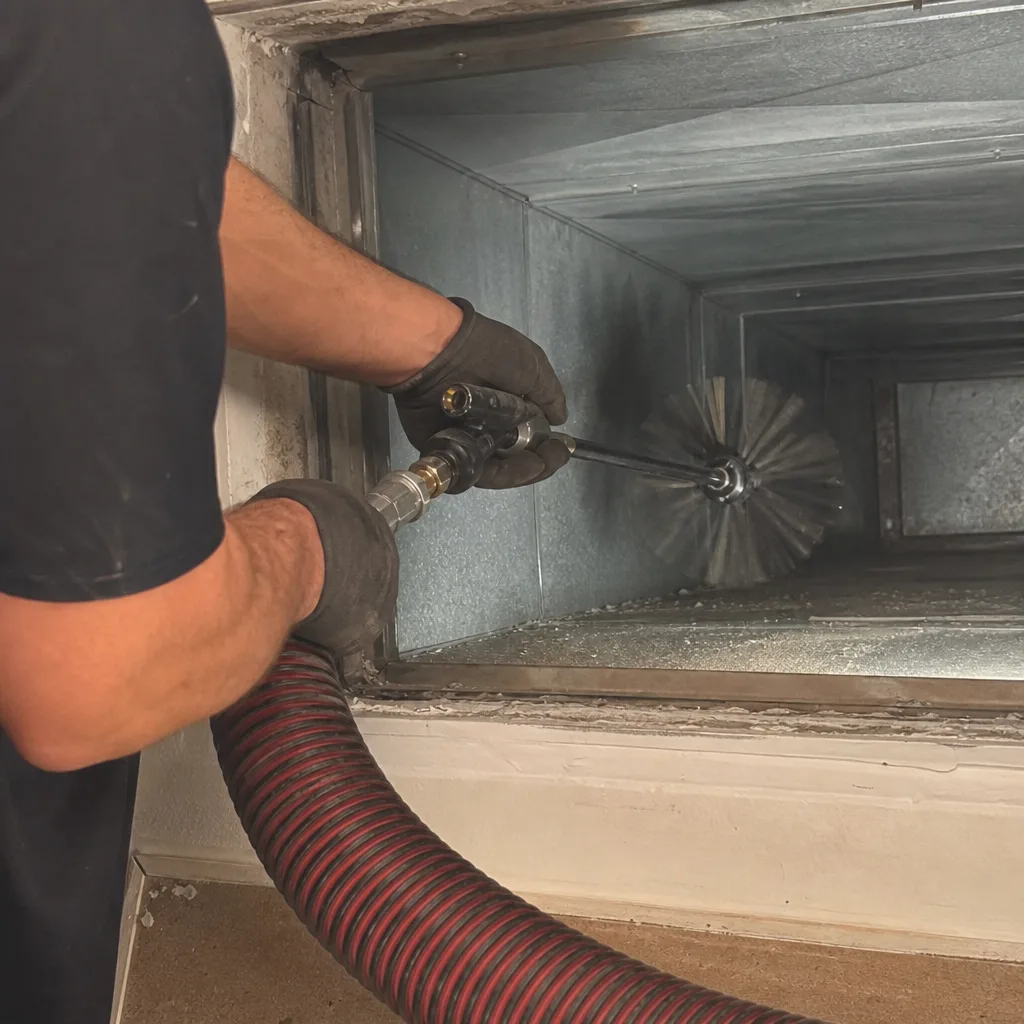
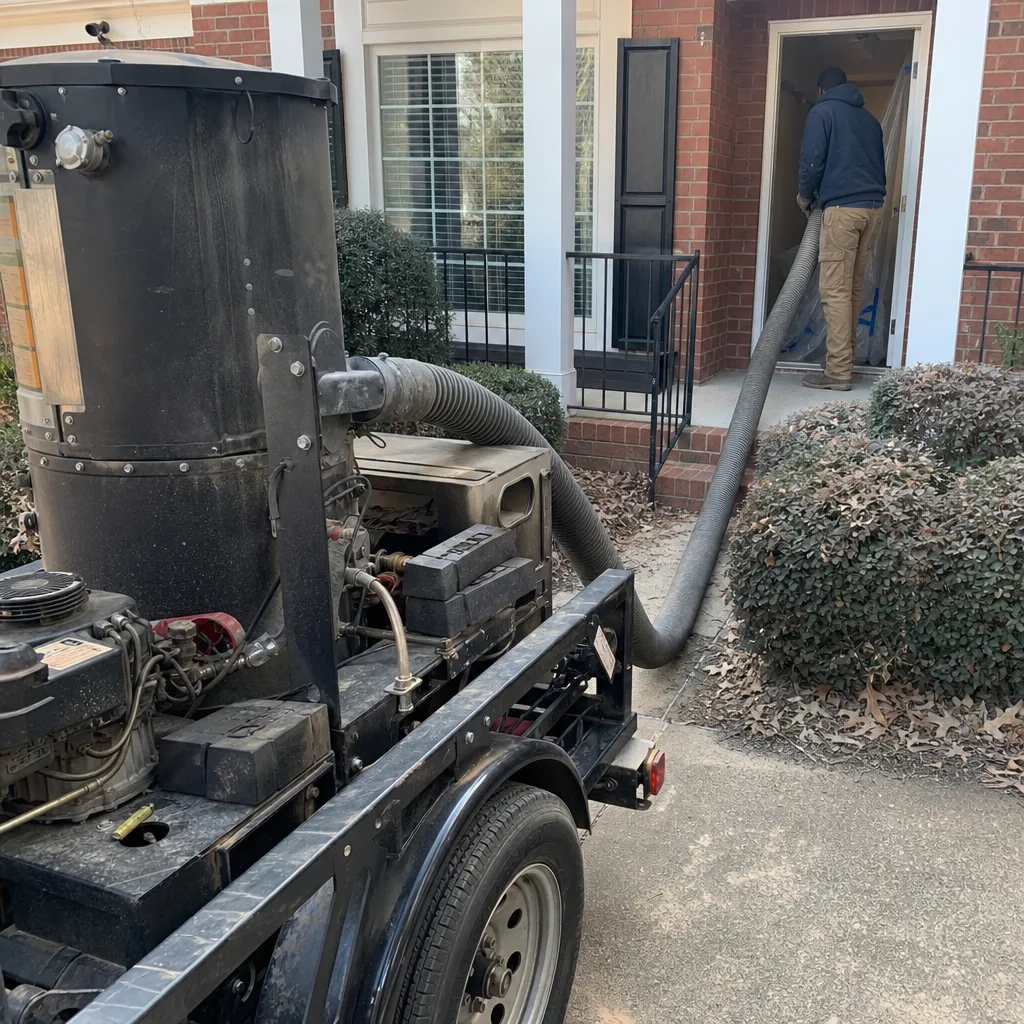
- Negative-pressure extraction of debris from existing duct runs (the standard cleaning process using equipment like Rotobrush or Nikro systems)
- Register and grille removal for access and cleaning
- Visual inspection with cameras or scopes
- Application of EPA-registered sanitizers to existing duct surfaces
The line crosses into “alteration” when any of these occur:
- A duct run is replaced, rerouted, or resized
- Mastic sealing is applied to joints that were previously unsealed, changing the system’s airflow characteristics
- A plenum is modified or replaced
- Flex duct is reconnected using different fittings or routing than originally installed
In our work across Atlanta since 2013, we’ve documented this threshold hundreds of times. A typical scenario: we photograph a duct run during air duct cleaning in Atlanta and find a 4-inch tear in flex duct at a sharp elbow, common in older Dunwoody homes with original 1980s installations. The cleaning stops. The repair requires a permit. The homeowner needs to know this before any cutting begins.
Climate matters here too. Atlanta’s humidity cycles, 90+ degree summers and occasional winter freezes, accelerate flex-duct deterioration at connection points. We’ve found that duct damage requiring replacement is three to four times more common in attics without proper ventilation, which describes a significant portion of Decatur and East Atlanta bungalows built between 1940 and 1970. The repair need is genuine. The permit requirement is legal. The two cannot be separated.
The Exact Georgia Code Language Homeowners Should Know
Georgia operates under the Georgia State Minimum Standard Codes, which adopt the International Mechanical Code (IMC) with state-specific amendments. The relevant language appears in Chapter 1, Section 106, covering permits, and in the Georgia State Amendments that modify specific thresholds.
The base IMC language states that a mechanical permit is required for “the installation, alteration, repairs, relocation, replacement, addition to, or use of any mechanical system.” The Georgia State Amendments do not exempt ductwork from this definition. However, they do maintain the standard building code distinction between “repair” (restoring to original condition, generally permit-exempt if no capacity change) and “alteration” (modifying design or capacity, permit required).
The critical interpretation comes from how Georgia’s Department of Community Affairs and local building officials define “original condition.” Here’s the practical translation:
| Activity | Permit Status | Code Basis |
|---|---|---|
| Debris removal from existing ducts | Exempt - maintenance | IMC 106.2, standard repair exemption |
| Register removal and reinstallation | Exempt - maintenance | IMC 106.2 |
| Sealing existing joints with tape (same type) | Exempt - repair | Georgia Amendment, repair definition |
| Applying mastic to previously unsealed joints | Permit required - alters airflow | IMC 106.1, alteration definition |
| Replacing flex duct with same size/route | Permit required in most jurisdictions | Local interpretation of “replacement” |
| Replacing flex duct with different size or route | Permit required - definite alteration | IMC 106.1 |
| Plenum modification or replacement | Permit required | IMC 106.1 |
One nuance specific to Georgia: the state amendments include provisions for “minor repairs” that can be performed by homeowners or maintenance personnel without a permit, but this exemption explicitly excludes work on “duct systems serving more than one dwelling unit” and any work that “affects the operation of the system.” A single-family home with a disconnected duct run that reduces airflow to a bedroom? That affects operation. The exemption does not apply.
We’ve seen this misapplied. A Marietta homeowner in 2022 had a duct cleaning company reconnect a fully separated return duct without a permit, citing the “minor repair” exemption. When the home sold in 2024, the Cobb County inspector flagged the work. The exemption didn’t cover it because the disconnection had reduced system capacity by approximately 30 percent, which the original CleanRun photo record documented. The repair was legitimate. The exemption claim was not.
How Atlanta-Area Jurisdictions Handle Permits Differently
Georgia’s state codes set the floor. Each county and municipality builds its own enforcement structure on top of it. For Atlanta homeowners, this means the permit threshold for duct repair varies depending on which side of a county line you live on.
Fulton County (including Atlanta, Sandy Springs, Johns Creek):
Fulton County Building Services enforces the Georgia State Minimum Standard Codes directly with no additional mechanical amendments that raise the threshold. However, the City of Atlanta’s Office of Buildings interprets “replacement” broadly. A straight swap of flex duct with identical material and routing still requires a mechanical permit if the duct run exceeds 10 linear feet. The permit fee for residential mechanical work in 2024-2025 ranges from $150 to $400 depending on project valuation. Inspection scheduling is through the city’s online portal, with next-available typically 3-5 business days.
DeKalb County (including Decatur, Brookhaven, Chamblee):
DeKalb County’s Building Permits & Inspections division adds a local requirement: any ductwork modification in a home built before 1990 requires an additional energy code compliance review. This affects significant portions of the county’s housing stock, particularly in the older neighborhoods east of Atlanta proper. The review adds 2-3 business days to permit issuance but does not change the fundamental threshold.
Gwinnett County (including Lawrenceville, Duluth, Norcross):
Gwinnett’s Department of Planning and Development has streamlined residential mechanical permits into an over-the-counter process for projects under $5,000 valuation, which covers most single duct run replacements. The permit can be issued same-day if plans are complete. This is the most efficient process in the metro area, but the threshold remains identical: replacement requires a permit.
Cobb County (including Marietta, Smyrna, Kennesaw):
Cobb County Building Division maintains a stricter interpretation of the “repair” exemption. Any ductwork that has been fully disconnected and requires reconnection is classified as replacement, not repair, regardless of whether the original material is reused. This directly affects the common scenario where cleaning reveals a separated duct that has been blowing conditioned air into the attic for months or years.
To verify your specific jurisdiction’s current requirement:
- Locate your property’s tax parcel at qpublic.net for the relevant county
- Contact the building permits division directly, not the general county number
- Ask specifically: “Does replacing a disconnected flex-duct run in a single-family residence require a mechanical permit under current interpretations?”
- Request the answer in writing, or note the date, time, and name of the official you spoke with
Keep this documentation. If a dispute arises during a future home sale, your due diligence record matters.
What a Legitimate Duct Repair Permit Process Looks Like
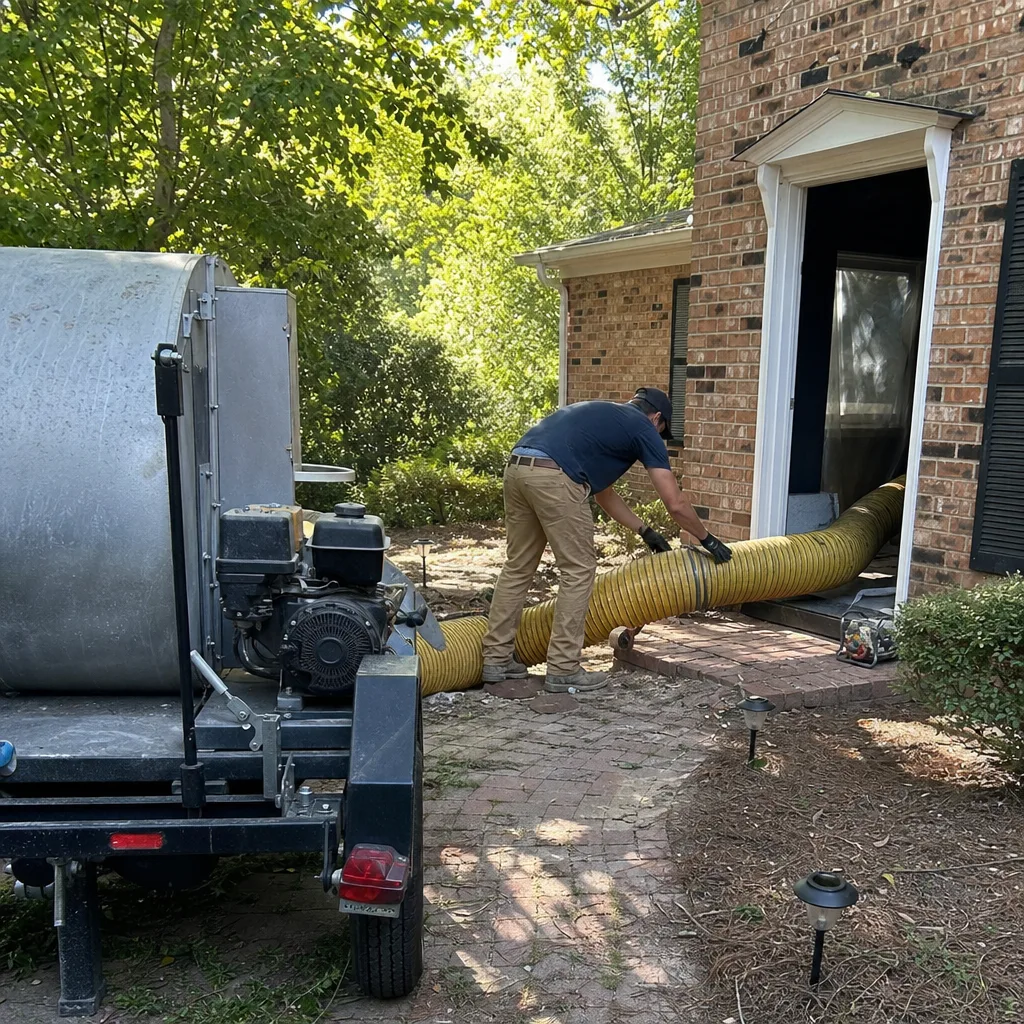
Understanding the process lets you verify that a contractor is operating correctly, and it gives you the documentation trail you’ll need if you sell. Here’s what should happen, step by step:
- Contractor identifies permit need. During cleaning or inspection, the technician finds damage requiring repair that crosses the alteration threshold. They stop work and explain the permit requirement before any modification begins. At CleanRun, this is Haven Standard Clause 1: written price before any work starts - and if the scope changes, the written price is updated before proceeding.
- Permit application submitted. The contractor, who must be a licensed HVAC mechanical contractor in Georgia (not merely a duct cleaning company), submits an application to the local building department. The application includes a scope description, often a simple sketch for residential work, and the contractor’s license number. In Georgia, mechanical contractors hold licenses through the State Construction Industry Licensing Board, Division of Conditioned Air Contractors.
- Permit issued and fee paid. The building department reviews for completeness and issues the permit, typically with a permit card that must be posted at the job site. Fees vary by jurisdiction as noted above.
- Work performed. The repair is completed according to the permitted scope. For ductwork, this typically means replacement with properly sized flex duct, secure connections with mechanical fasteners and mastic, and support at intervals per code (generally every 4-6 feet for flex duct).
- Inspection scheduled and completed. The contractor schedules a rough inspection if required (some jurisdictions skip this for simple replacement) and a final inspection. The inspector verifies proper materials, connections, support, and clearance from combustibles.
- Final approval documented. Upon passing inspection, the building department issues a final approval or certificate of completion. This document should be provided to the homeowner and kept with home records permanently.
The entire timeline in Atlanta-area jurisdictions typically ranges from 5 to 15 business days, depending on inspection availability. Gwinnett’s streamlined process can compress this to 3-5 days. Fulton County’s City of Atlanta can extend to 2-3 weeks during peak construction season.
What the final inspection record should say: “Mechanical final approved,” with a date, permit number, and inspector signature or electronic equivalent. If your contractor cannot produce this document upon request, the permit process was not completed.
We’ve integrated this documentation into our standard deliverable since 2013. When CleanRun performs permitted duct repair, the customer receives the photo record of the work, the written scope, and a copy of the final inspection approval. All three are part of the job record, not optional add-ons.
How Unpermitted Duct Work Surfaces in Georgia Real Estate Sales
This is where the permit gap becomes expensive. Georgia’s Seller’s Property Disclosure Statement, required in most residential transactions, includes specific language about HVAC systems. The seller must disclose “any known material defects” in the heating, ventilation, and air conditioning system.
A material defect is defined in Georgia case law as a condition that would have a significant adverse effect on the value of the property or that involves an unreasonable risk to people on the property. Unpermitted alterations to HVAC systems have been repeatedly interpreted to meet this standard because they:
- May affect insurance coverage if a loss occurs
- Can trigger additional inspection requirements from lenders
- May require retroactive permitting at seller expense to close the transaction
- Expose the seller to post-closing liability if the defect was known and not disclosed
The disclosure form specifically asks about “any additions, structural modifications, or other alterations made without required permits.” This is not HVAC-specific, but HVAC alterations are included.
In practice, unpermitted duct work surfaces through several channels:
- Buyer’s inspection: Home inspectors in the Atlanta market are increasingly trained to look for permit documentation on visible alterations, particularly in attics where new flex duct contrasts with older installations.
- Appraisal requirements: FHA and VA appraisers may flag unpermitted mechanical work, particularly if it appears to affect system performance.
- Title or closing attorney review: Some closing attorneys now request permit documentation for any work disclosed within the past 10 years.
- Neighbor or previous contractor disclosure: In tight-knit intown neighborhoods like Virginia-Highland or Candler Park, word travels. A previous owner’s unpermitted work may be known to neighbors who mention it to prospective buyers.
The retroactive permitting process, called “permitting after the fact” or “illegal construction resolution,” varies by jurisdiction. In Fulton County, it requires full plan review, inspection, and often a penalty fee of 150-200 percent of the original permit fee. The work must be exposed for inspection, meaning attic insulation may need removal. Total cost frequently exceeds $800-1,500 for a single duct run repair that would have cost $150-400 to permit properly.
We’ve consulted on three such cases in Atlanta since 2022. In each, the original duct cleaning or repair was performed by a different company that never mentioned permits. The documentation gap only appeared at sale. The cost of resolution fell on the seller, not the original contractor, because the statute of limitations for contractor liability in Georgia is generally 4 years for written contracts and the work was older.
Duct Cleaning Company vs. Licensed HVAC Mechanical Contractor
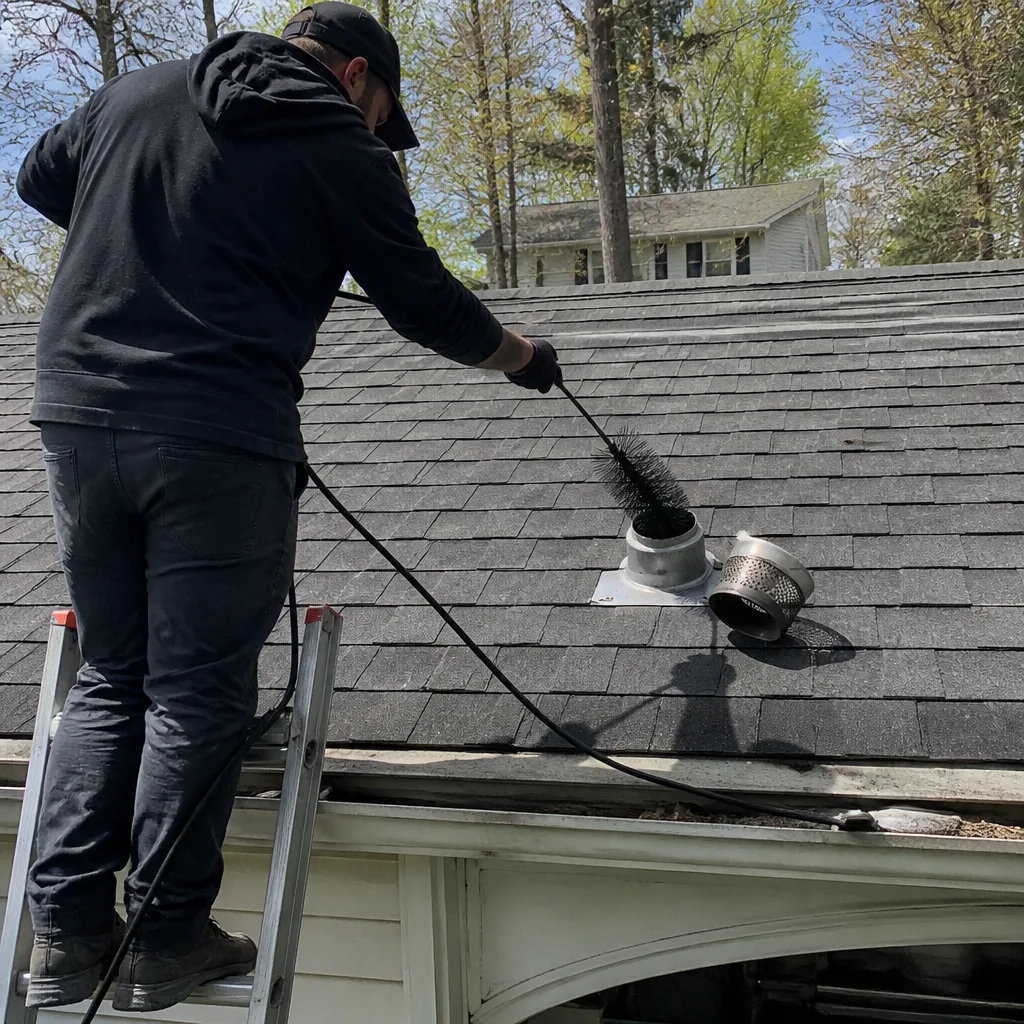
This distinction is where Georgia law and practical market reality diverge. A duct cleaning company can legally perform cleaning and maintenance without a conditioned air contractor’s license, provided they do not cross into alteration or installation work. But many cleaning companies offer “repair” services that technically require licensing.
Georgia’s licensing structure:
- Conditioned Air Contractor (Class I or II): Required for any work that “installs, maintains, repairs, or replaces” heating, air conditioning, or ventilation systems. Class I is unlimited; Class II is restricted to systems of 25 tons cooling or 500,000 BTU heating or less, which covers virtually all residential work.
- Non-licensed duct cleaning company: Can perform maintenance, cleaning, and minor repairs that do not alter system capacity or routing. The legal boundary is fuzzy, and enforcement is complaint-driven rather than proactive.
The practical risk: a cleaning company without licensed mechanical contractors on staff performs a repair that requires a permit, cannot pull the permit because they lack the license, and completes the work without documentation. The homeowner has no permit record, no inspection approval, and no recourse if the work fails.
How to verify who you’re hiring:
- Ask for the Georgia conditioned air contractor license number. It should be provided without hesitation. CleanRun publishes ours on every page, per Haven Standard Clause 3: Verified Crews.
- Verify the license at sos.ga.gov through the Secretary of State’s professional licensing division. Check that it is active and in good standing.
- Ask directly: “If cleaning reveals a duct run that needs replacement, will you pull a mechanical permit before proceeding?” The answer should be yes, with a clear explanation of the process.
- Request proof of permit and final inspection for any past repair work the company has performed. A legitimate contractor has these records.
Equipment matters too, though it doesn’t replace licensing. Professional-grade negative-pressure extraction systems from Rotobrush, Nikro, or Abatement Technologies indicate investment in proper tools. But a Rotobrush machine does not confer legal authority to replace ductwork. Only the license does.
We’ve built CleanRun to operate across both categories legally: our cleaning crews perform maintenance and document findings; our licensed mechanical contractors perform permitted repairs when needed. The same visit can include both, but the permit process is never skipped when the threshold is crossed.
What Homeowners Should Demand Before Any Work Starts
The documentation you collect before work begins determines your protection after the truck leaves. Based on our experience with 52,000+ homes and more guides & resources, here’s the minimum standard:
- Written scope and price before any panel comes off. Haven Standard Clause 1. Not an estimate range. A fixed price for defined work. If the scope changes, the price is updated in writing before proceeding.
- License number and verification path. The contractor’s Georgia conditioned air contractor license number, with instructions to verify it independently.
- Clear statement of permit status. Whether a permit is required, who will pull it, and what documentation you will receive. If no permit is needed, the reason should be stated in writing.
- Photo documentation commitment. Before-and-after photos of every duct run, delivered as part of the standard job record. Not a promise to “take some pictures.” A specific deliverable.
- Written warranty with specific terms. CleanRun’s 365-Day Done Right Promise is backed in writing on every job, not just stated in marketing copy. The document specifies what “done right” means and the remedy process.
- Equipment specification. The brands and models of equipment to be used, so you can verify independently. Honeywell, Aprilaire, and other recognized brands should be named, not described generically as “professional equipment.”
For Atlanta homeowners specifically, we recommend one additional step: contact your county building department before work begins if the project involves any repair beyond cleaning. The 10-minute phone call creates a contemporaneous record of your due diligence and confirms the contractor’s permit claim.
Common Mistakes to Avoid
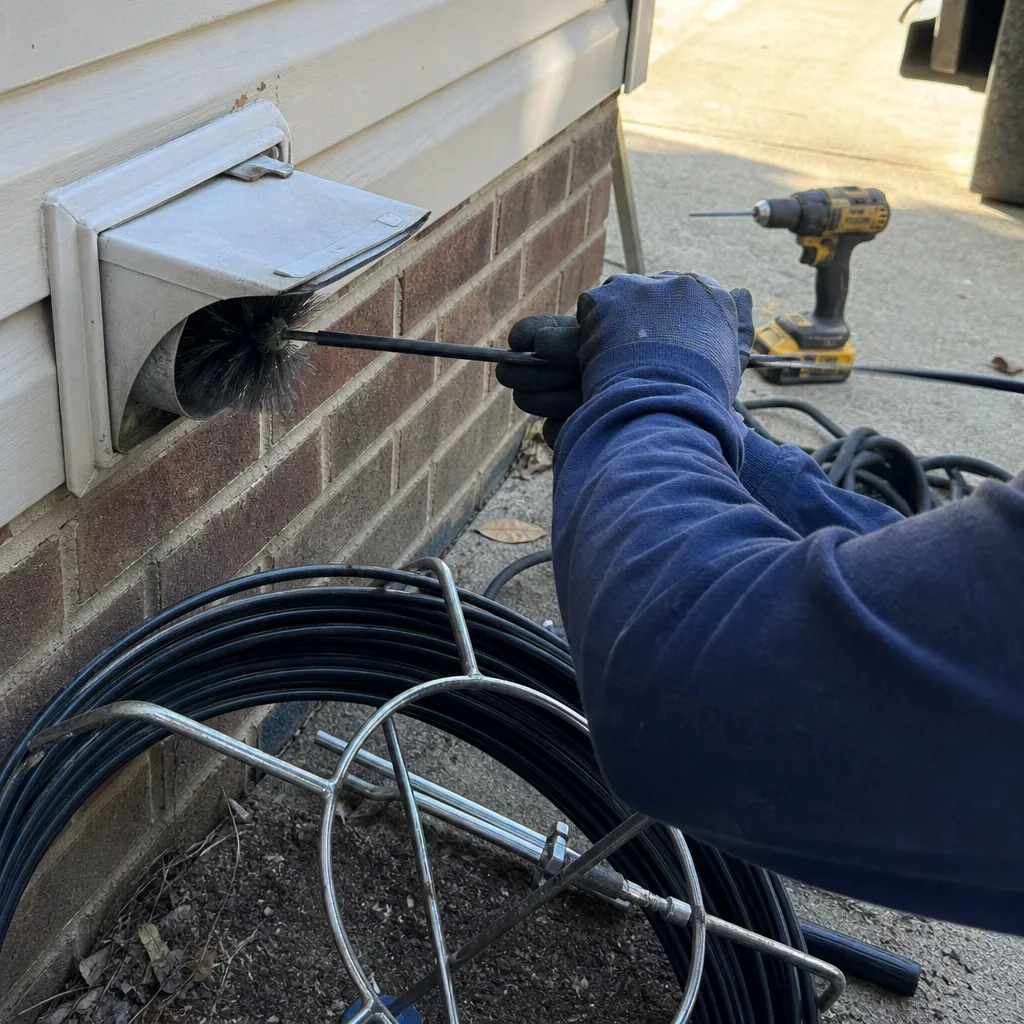
- Assuming “repair” is always permit-exempt. In Cobb County and many Atlanta jurisdictions, reconnecting a fully separated duct is classified as replacement, not repair, and requires a permit. Always verify the local interpretation.
- Accepting verbal assurances about permits. A contractor who says “we’ve got you covered” without showing the permit card or application confirmation is not covered, and neither are you. Demand documentation.
- Letting cleaning continue after damage is found. Once a technician identifies duct damage requiring replacement, continuing with cleaning before the permit is pulled can complicate the inspection process. The repair may need to be exposed for inspector access.
- Discarding permit documentation after the work is done. Keep final inspection approvals with your home records permanently. They are as important as your deed or warranty documents when you sell.
- Hiring based on equipment brand alone. A Rotobrush or Nikro system indicates professional cleaning capability, but it does not substitute for a licensed mechanical contractor when repairs are needed. Verify both.
- Ignoring climate-specific damage patterns. Atlanta’s humidity and temperature swings create predictable failure points: flex-duct tears at sharp elbows, mastic degradation at plenum connections, rust on metal duct in unventilated attics. A contractor who doesn’t mention these patterns may not recognize when cleaning has revealed a repair that needs permitting.
- Waiting until sale to discover the gap. If you’ve had duct repair work in the past five years and don’t have permit documentation, contact your contractor now. Retroactive permitting is cheaper and simpler when you’re not under closing deadline pressure.
When to Call a Professional
Call a licensed HVAC mechanical contractor when cleaning reveals any duct damage, when you’re planning a home sale and need to verify past work documentation, or when you’ve received a quote for “repair” work without a clear permit plan stated in writing. The cost of proper permitting is always lower than the cost of discovering a gap at closing.
CleanRun Air Duct Cleaning Atlanta offers free estimates in Atlanta and the surrounding metro. Every estimate includes a written price before any work starts, a clear statement of whether permitting applies, and - if repair is needed - a documented path to proper inspection and approval. Call (470) 495-9370 to schedule. We also provide a free second opinion on any written estimate from another contractor, with our number written next to theirs for direct comparison.
Frequently Asked Questions
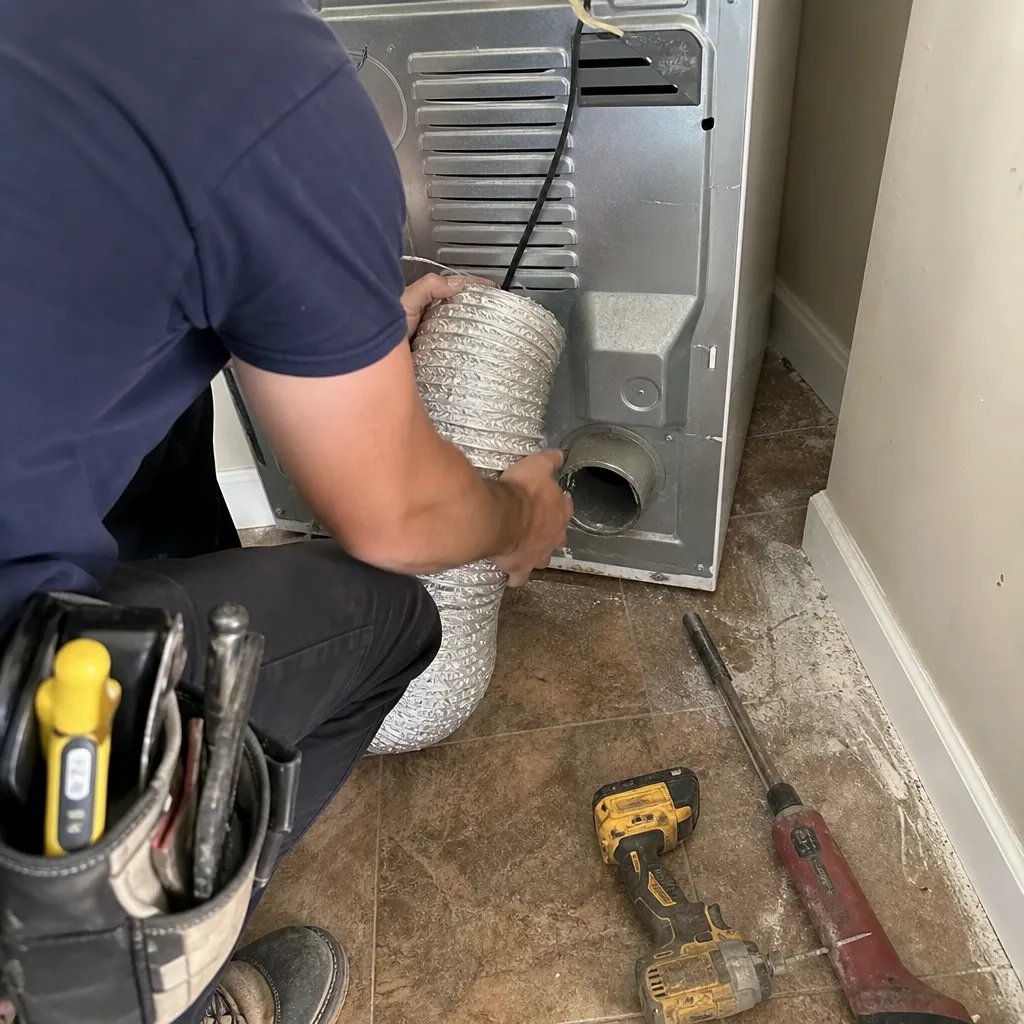
No. Air duct cleaning is classified as maintenance and does not require a permit anywhere in Georgia. The exemption applies to debris removal, register access, visual inspection, and application of EPA-registered sanitizers to existing surfaces. Call (470) 495-9370 for a written estimate on cleaning.
Residential mechanical permit fees in the Atlanta metro range from $150 to $400 depending on jurisdiction and project valuation. Fulton County’s City of Atlanta charges at the higher end for projects exceeding 10 linear feet of replacement; Gwinnett County’s over-the-counter process typically falls at the lower end. The contractor should specify the exact fee in the written estimate. Call (470) 495-9370 for an exact quote on your specific repair.
You must disclose known unpermitted alterations on Georgia’s Seller’s Property Disclosure Statement. Failure to disclose can result in post-closing liability. Many buyers will require retroactive permitting at seller expense, which typically costs $800-1,500 in Atlanta-area jurisdictions due to penalty fees and re-exposure requirements. The original contractor is rarely liable due to Georgia’s 4-year statute of limitations on written contracts.
Ask for their Georgia conditioned air contractor license number and verify it at sos.ga.gov. A legitimate contractor provides this immediately. CleanRun publishes our license number on every page under Haven Standard Clause 3: Verified Crews. If a company hesitates or deflects, they likely lack the license required for permitted work.
Homeowners can pull permits as owner-builders in Georgia, but the work must still be performed by or under the direct supervision of a licensed conditioned air contractor. The practical path is to hire a licensed contractor who pulls the permit as part of their service. This ensures proper inspection scheduling and documentation delivery.
Climate doesn’t change the permit threshold, but it dramatically affects how often repairs are needed. Atlanta’s 90+ degree summers and high humidity accelerate flex-duct deterioration at connection points and cause mastic sealant to degrade faster than in drier climates. This means cleaning in older Atlanta homes more frequently reveals damage requiring permitted repair, particularly in unventilated attics common in intown neighborhoods.
You should receive three documents: the written scope and final invoice, a photo record of the work performed, and the final inspection approval from the building department. CleanRun delivers all three as standard on every job, with the 365-Day Done Right Promise backed in writing as a fourth document. If your contractor cannot produce the inspection approval, the permit process was not completed.
The Bottom Line
Air duct cleaning in Georgia is straightforward and permit-free. The repairs it reveals are not. The legal line between maintenance and alteration is drawn at system capacity and routing changes, and Atlanta-area jurisdictions enforce this line with varying procedures but consistent standards. The homeowner who understands this distinction, demands written documentation before work starts, and keeps permit records with home files permanently avoids the costly surprise of unpermitted work surfacing at sale. The contractor who explains this proactively, pulls permits when required, and delivers inspection approvals as standard practice operates under a higher standard. That’s the standard CleanRun has applied since 2013.
Written by Tomas Reyes, Owner at CleanRun Air Duct Cleaning Atlanta, serving Atlanta since 2013.