
Last updated September 23, 2026
Whole-system duct and dryer vent check with before-and-after photos - you see exactly what came out of your vents
That "$99 whole-house special" is a bait ad - the real number appears once they are in your hallway, or the "clean" is a shop-vac at the register. We photograph the inside of your ducts before and after instead.
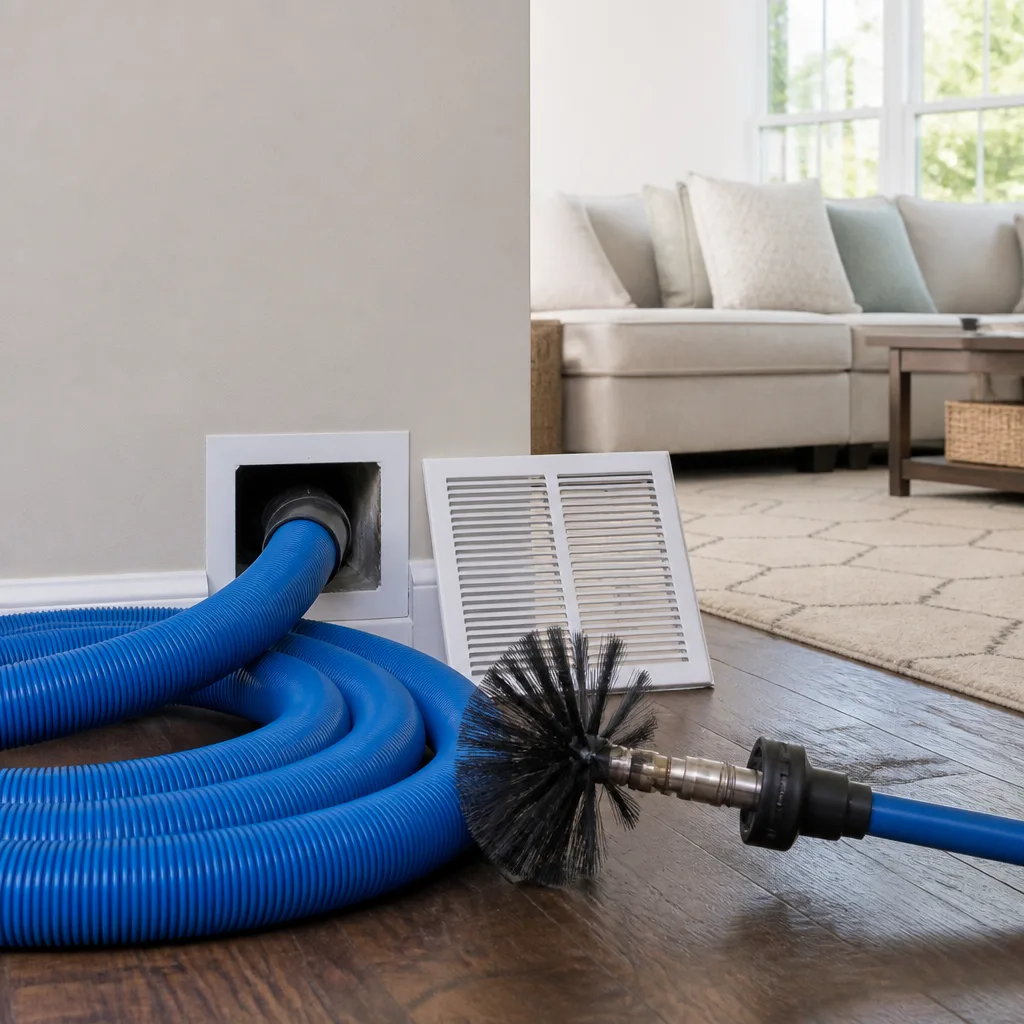
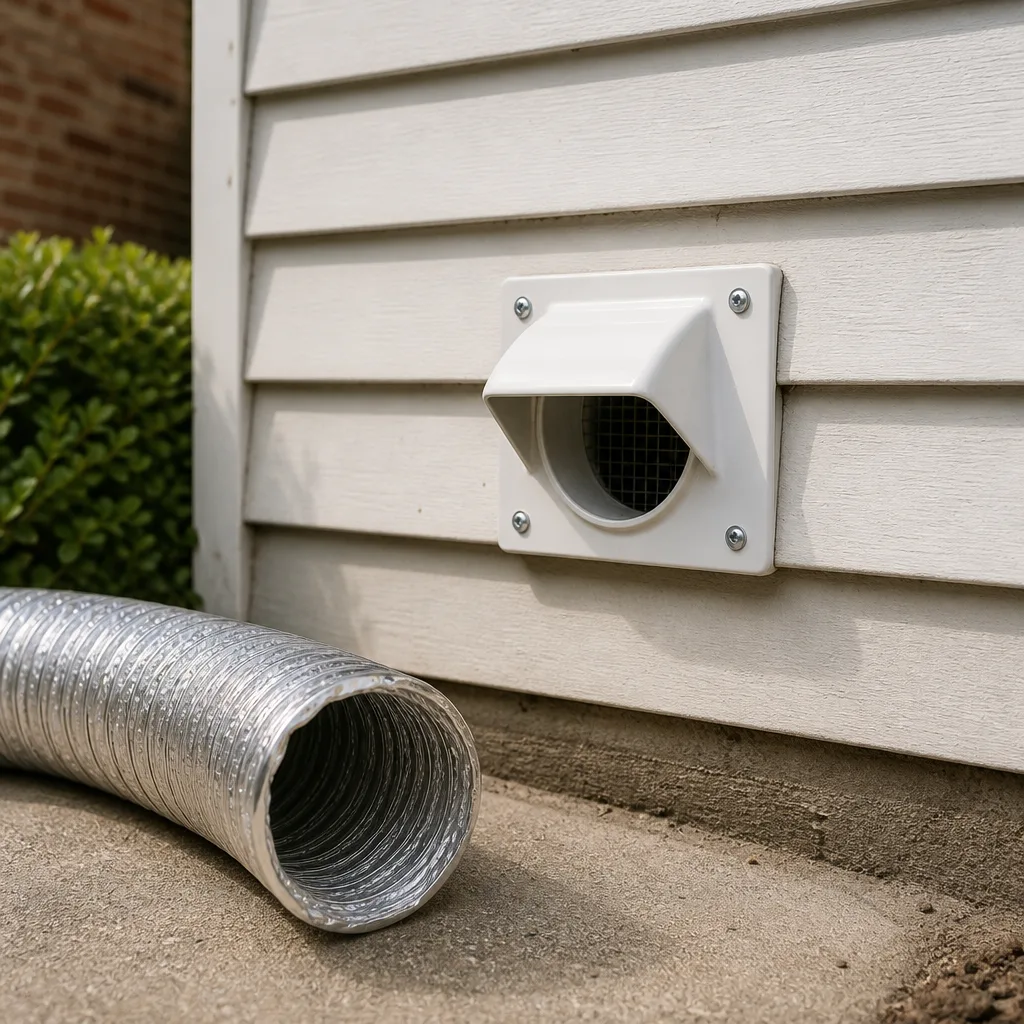
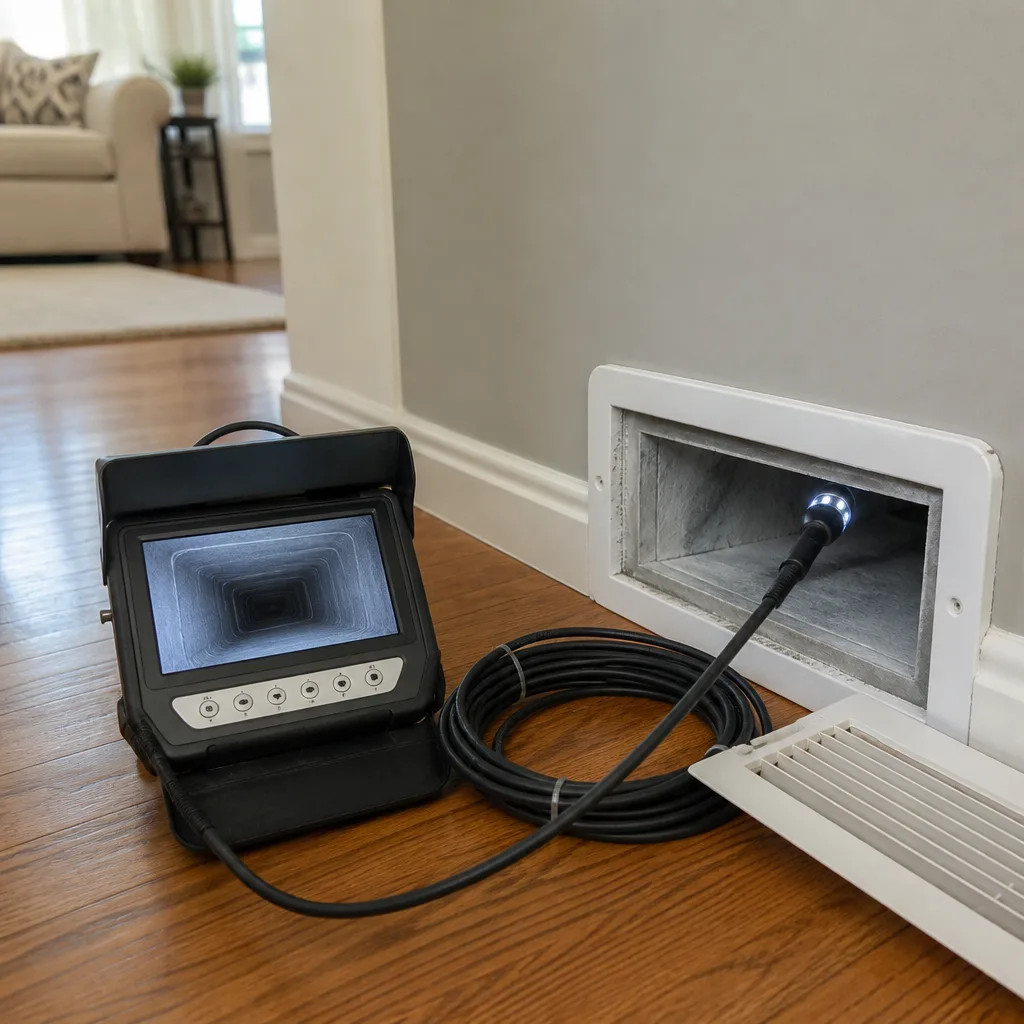
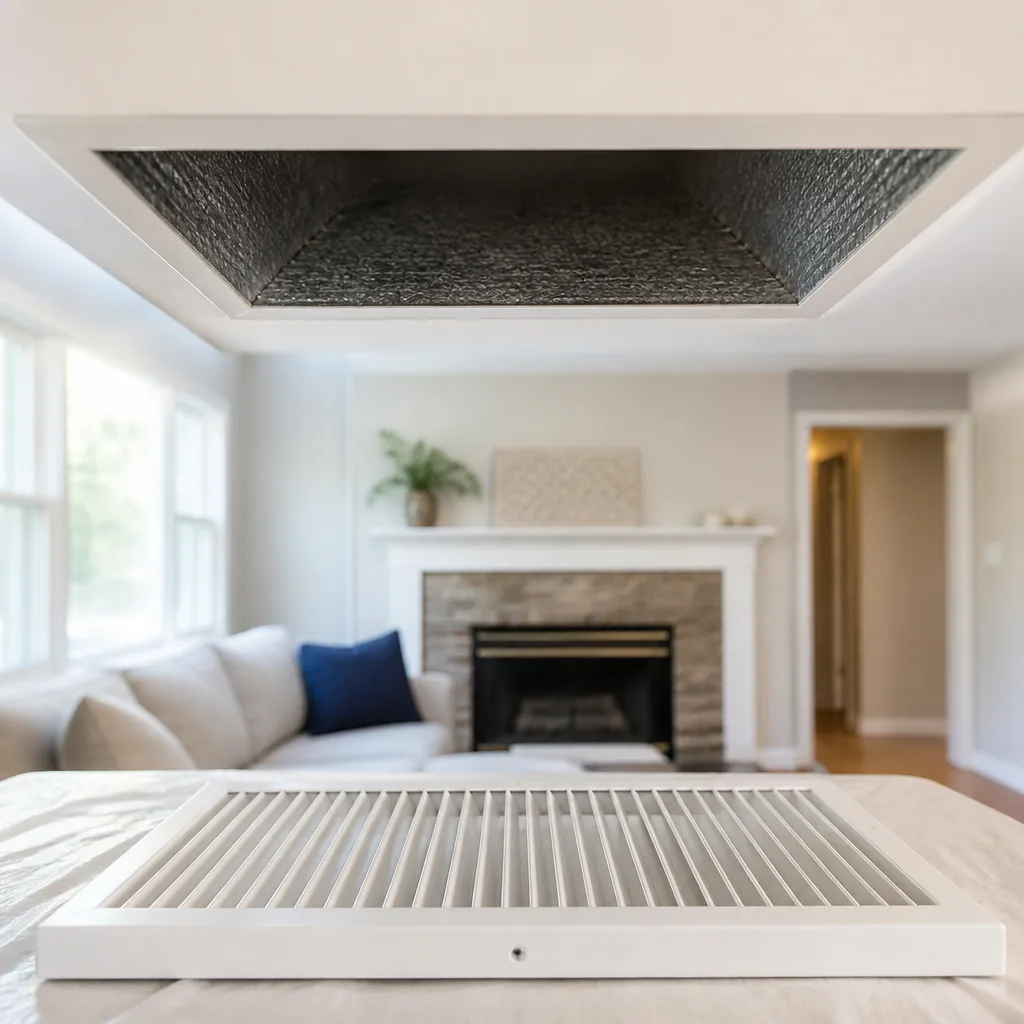
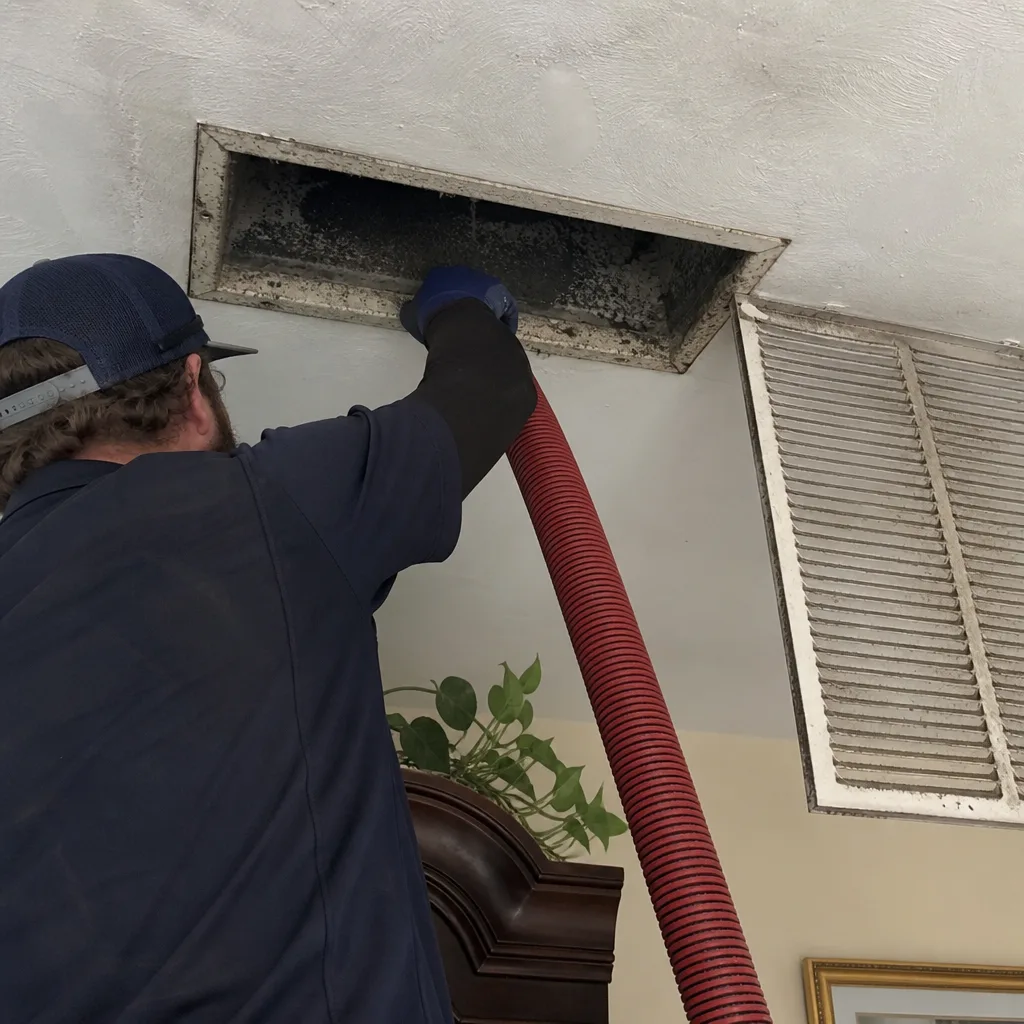 Before
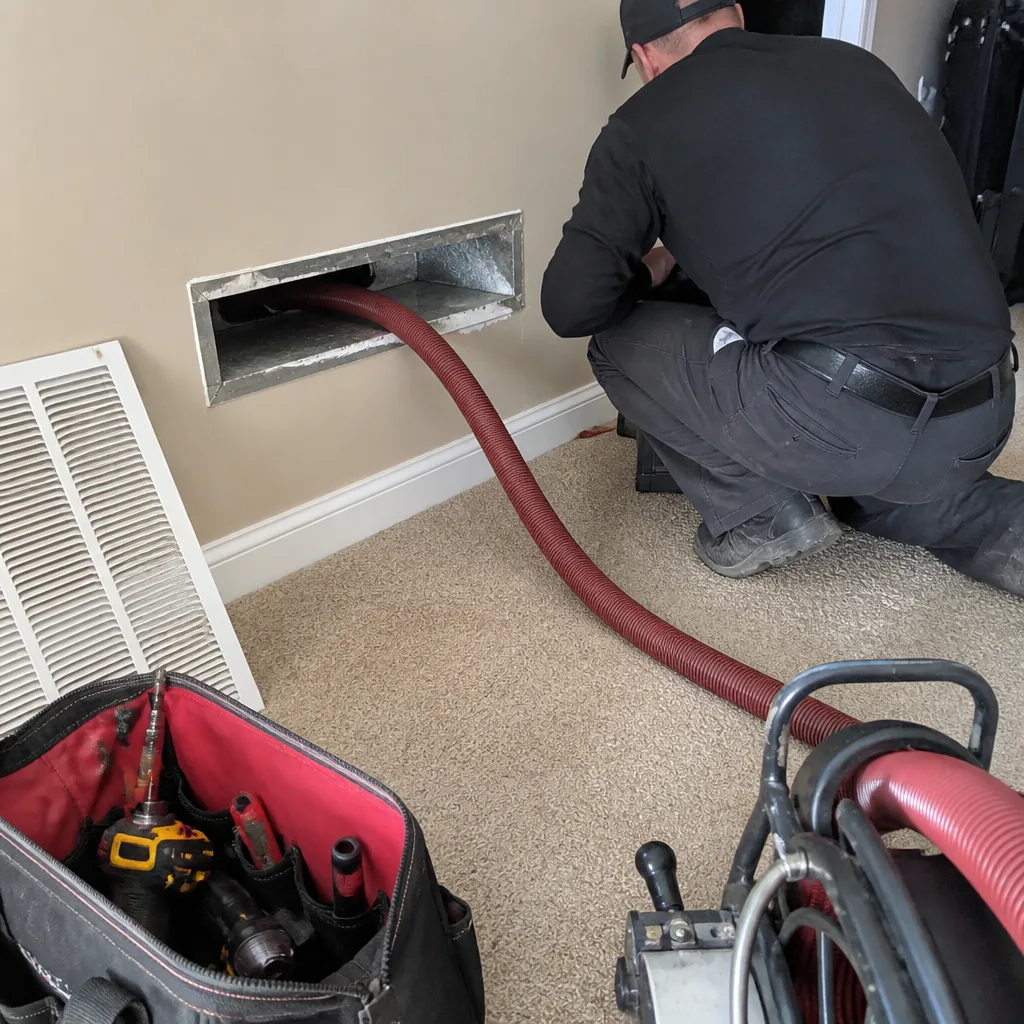 After
After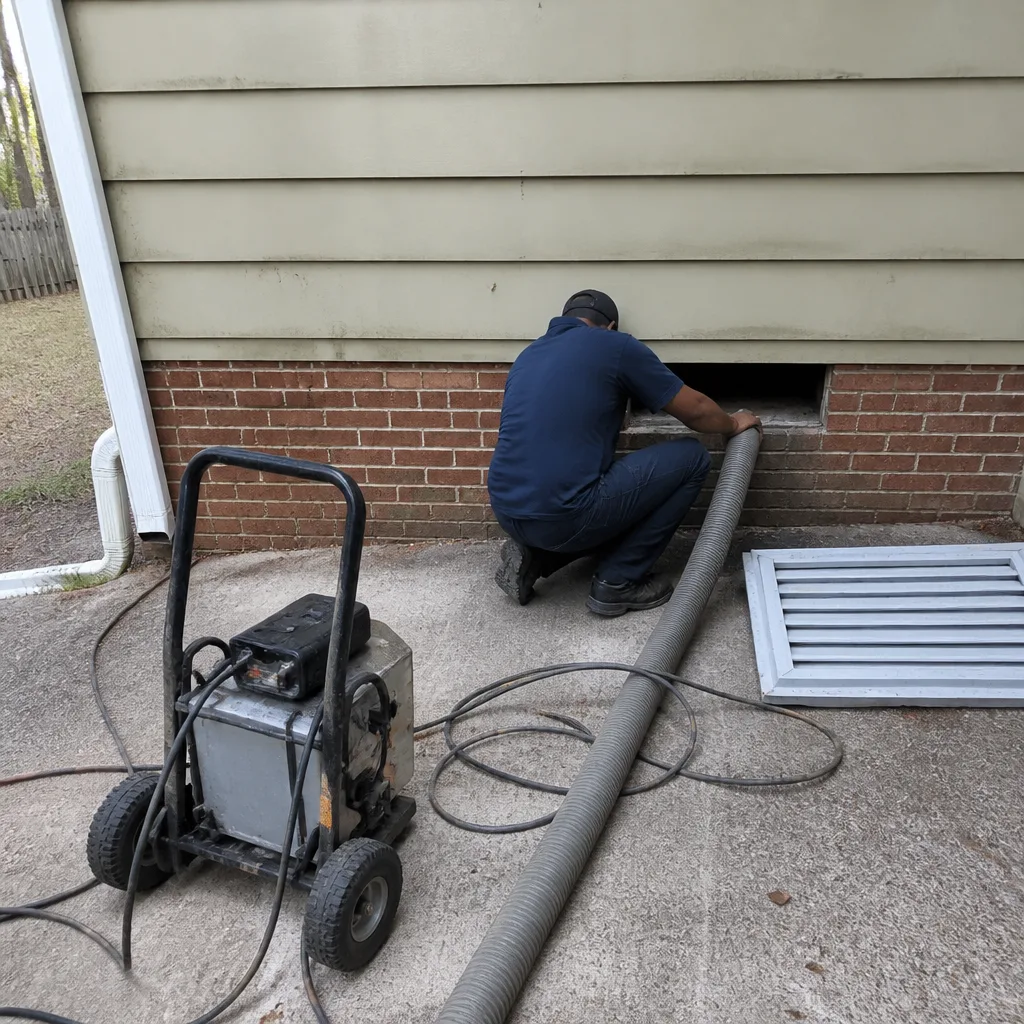 Before
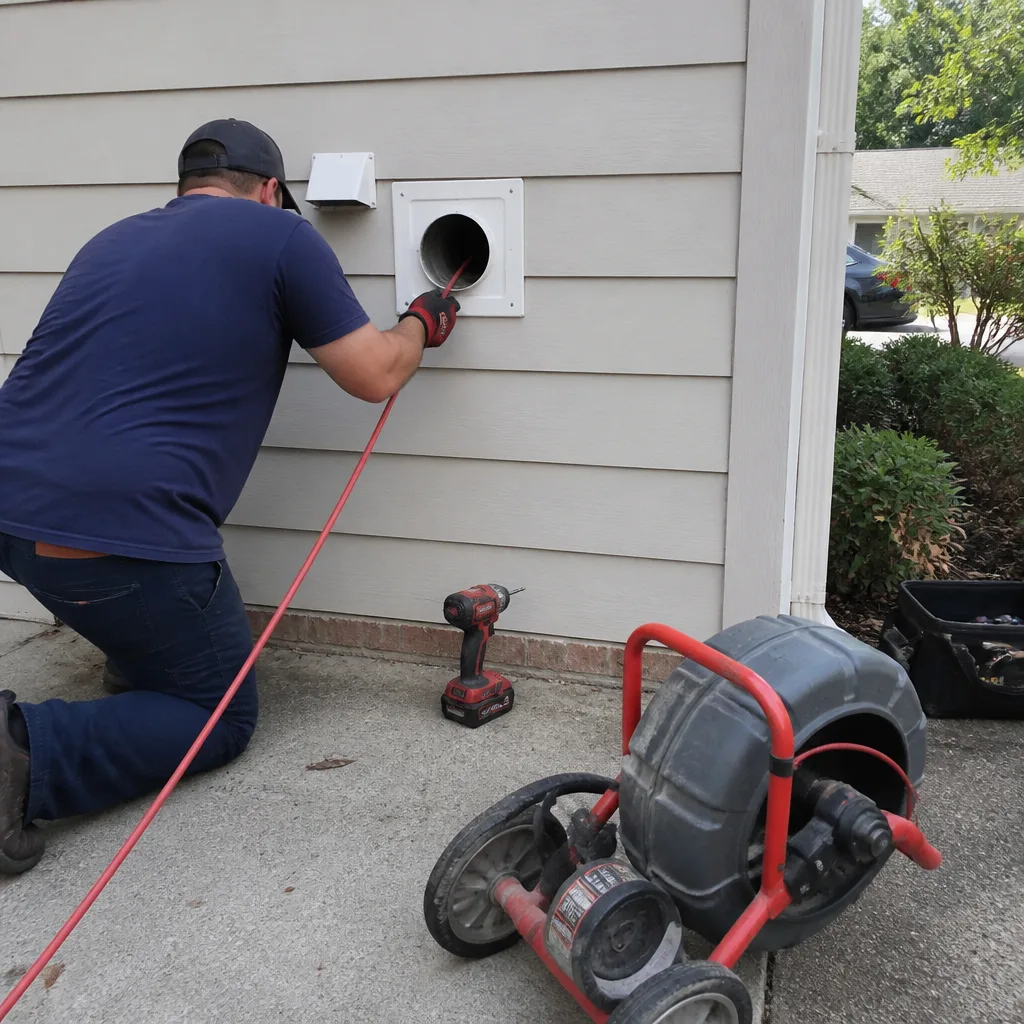 After
After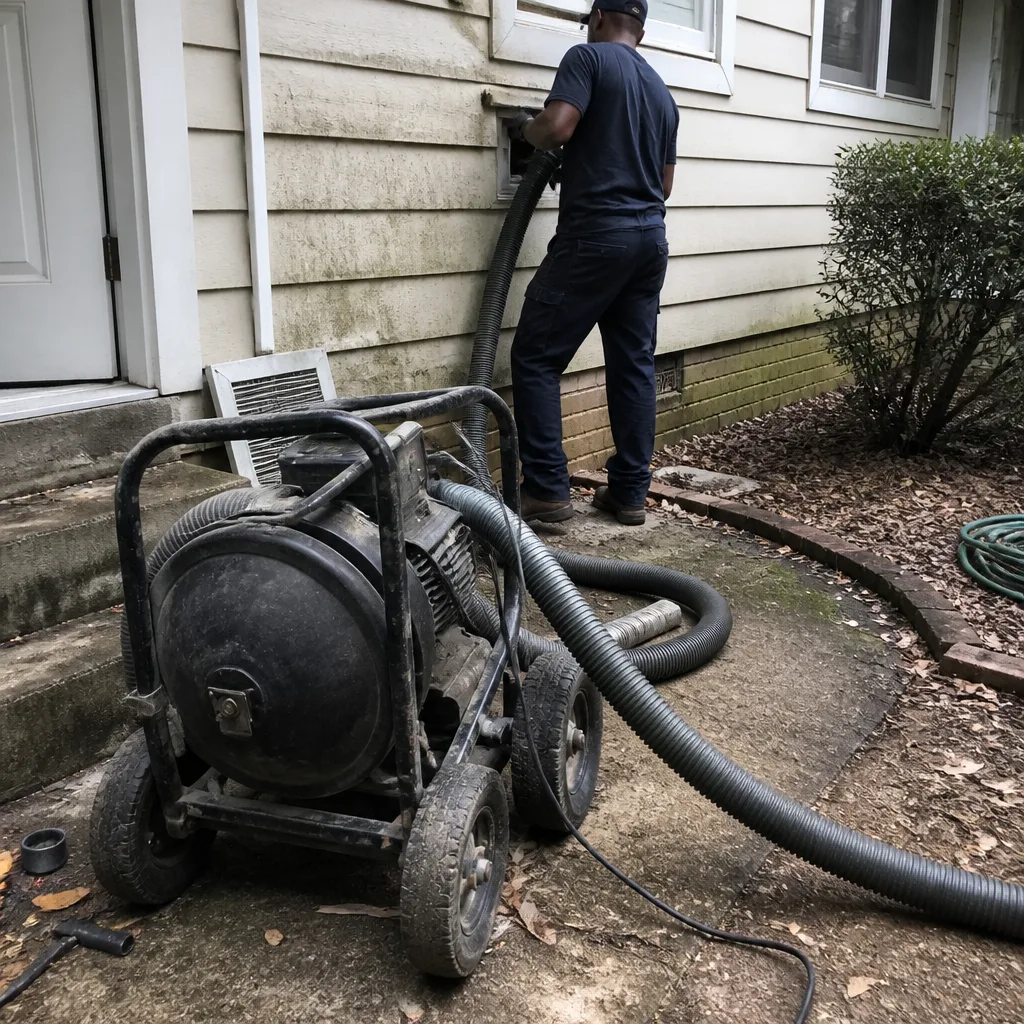 Before
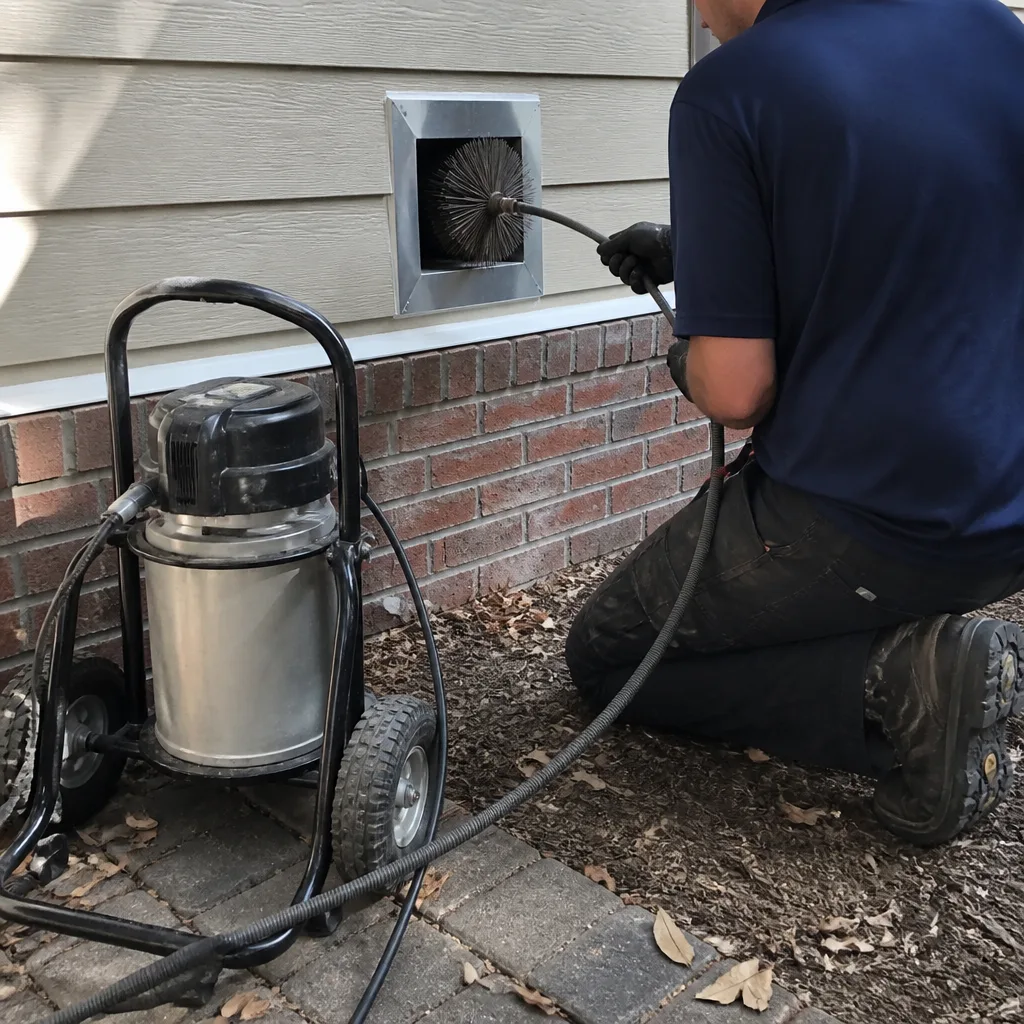 After
AfterAir Duct Cleaning Warning Signs: A Atlanta Homeowner’s Reference Guide
The most actionable early warning sign of duct system contamination isn’t a smell or a dusty register. It’s an asymmetry: one room in your home that’s consistently 3-4 degrees warmer or cooler than adjacent rooms despite equal vent coverage. In Atlanta’s climate, where cooling loads dominate eight months of the year, this temperature split almost always indicates partial airflow restriction from debris accumulation or a disconnected duct run. Most warning-sign lists published online describe late-stage failures - visible mold, completely blocked vents - by which point the system has already suffered efficiency loss and indoor air quality degradation. This guide catalogs the earlier, more specific indicators that Atlanta homeowners can identify without professional equipment, document with a smartphone, and describe accurately to a contractor before scheduling Air Duct Cleaning services.
Quick Answer
Air duct cleaning warning signs in Atlanta fall into three categories: observable conditions at registers and returns (ghost staining, debris accumulation, pest evidence), measurable system behaviors (temperature differentials between rooms, accelerated filter loading, static pressure changes), and conditions requiring inspection equipment (microbial growth in liner insulation, debris deposits at duct elbows, disconnected runs behind walls). The earliest and most reliable indicator is a persistent temperature imbalance between rooms with similar vent coverage, which in Atlanta’s cooling-dominated climate typically signals partial airflow restriction rather than equipment failure. For a deeper dive, see The Complete Guide to Air Duct Cleaning in Atlanta.
Table of Contents
- A Tiered Warning Sign Framework: What You Can Check Yourself
- Ghost Staining Around Atlanta Return-Air Grilles
- How to Measure Filter Loading Rate as a Contamination Indicator
- Odor Identification for Atlanta Homeowners
- What Atlanta Renovation Activity Looks Like Inside Ductwork
- Room-by-Room Inspection Checklist
- Common Mistakes to Avoid
- When to Call a Professional
- Frequently Asked Questions
BeforeAfterA Tiered Warning Sign Framework: What You Can Check Yourself
Most online warning-sign lists collapse everything into a single category, which leaves homeowners uncertain about what they can actually verify versus what requires a technician with a borescope. We’ve organized this guide into three tiers based on what tool you need: your eyes, a thermometer, or a camera on a flexible cable.
Tier 1: Observable Now (No Tools Required)
These are conditions visible at the register or return grille with normal lighting and a flashlight.
- Debris accumulation at register vanes: Fine dust packed between the adjustable vanes of a floor or ceiling register, especially on the upstream side. Normal household dust sits loosely; debris drawn from the ductwork packs into corners and requires fingernail pressure to dislodge.
- Register discoloration pattern: Darkening that follows the airflow pattern - heavier at the center of the register face, lighter at the edges - indicating material being delivered from the duct rather than settling from the room.
- Pest evidence: Insect fragments, rodent droppings, or nesting material at the register edge. In Atlanta, we see this most often in homes with crawl space duct runs in Decatur, East Point, and older Brookhaven properties where galvanized ductwork has separated at seams.
- Visible gap between duct boot and ceiling/wall: A dark line around the register frame where the duct boot has pulled away from the finished surface, creating a bypass that pulls attic or wall-cavity air into the system.
Tier 2: Measurable Now (Basic Tools)
These require a $15 infrared thermometer or careful observation of your HVAC system’s behavior.
- Room-to-room temperature differential: Measure supply air temperature at the register and ambient room temperature in each room during a cooling cycle. A spread of more than 3°F between rooms with similar exposure and register count indicates restricted airflow in the warmer room.
- Filter loading rate: Track how many days a new filter takes to show visible gray loading across the pleated surface. We’ll detail this in its own section below.
- Static pressure trend: If your system has a manometer port or your thermostat displays static pressure, a rise of 0.1 inches water column over six months suggests accumulating debris or a filter that’s undersized for the system’s airflow.
Tier 3: Requires Camera Inspection
These conditions are only visible with a borescope or inspection camera inserted past the register into the duct run.
- Debris deposits at elbows and transitions: Material accumulates where airflow changes direction, creating visible piles that reduce cross-sectional area.
- Microbial growth on liner insulation: Fiberglass duct liner with dark spotting or fuzzy growth, typically in the return plenum where humidity is highest.
- Disconnected flex duct: A gap between flex duct and metal collar, visible only several feet past the register boot.
- Corrosion or rust scale: In metal ductwork, flaking rust indicates moisture intrusion that may have preceded microbial activity.
CleanRun’s Air Duct Cleaning in Atlanta includes a Documented Photo Record of every duct run, before and after, so homeowners see exactly which tier-three conditions were present. We’ve held this practice since our first job in 2013.
Ghost Staining Around Atlanta Return-Air Grilles
Ghost staining is the dark, often rectangular shadow that appears on the ceiling or wall around a return-air grille. It’s frequently misidentified as normal dust accumulation or “cigarette smoke staining” in older online guides. In Atlanta homes built between 1985 and 2010, we’ve found it to be one of the most reliable early indicators of filter bypass and duct pressure imbalance.
What Causes It
Return grilles pull air from the room into the duct system. When the filter is overloaded, improperly seated, or undersized for the grille opening, fine particulate bypasses the filter and deposits on the grille face and adjacent wall surface. The particulate is electrostatically attracted to the area of highest airflow turbulence, which is the perimeter of the grille. Over months, this creates a characteristic dark frame - the “ghost” of the grille shape - on the painted surface behind it.
How to Distinguish It From Normal Dust
| Normal dust accumulation | Ghost staining from filter bypass |
|---|---|
| Even, light coating across the entire wall/ceiling area | Concentrated in a sharp-edged rectangle matching the grille perimeter |
| Wipes away with dry cloth | Requires damp cleaning; often leaves residual discoloration in paint |
| Reaccumulates slowly (months) | Reappears within 2-4 weeks of cleaning |
| No correlation with HVAC cycle timing | Darkens during high-fan operation (cooling season in Atlanta) |
What It Indicates About Your System
Ghost staining tells you three things. First, your filter is not capturing all particulate - either because it’s loaded past capacity, because it has bowed away from the filter rack under pressure, or because the filter rack itself has gaps. Second, your return duct system is operating under negative pressure that’s strong enough to pull particulate through these gaps, which means the blower is working harder than designed. Third, the particulate reaching your blower and coil is finer and more abrasive than what the filter was specified to capture.
In Atlanta’s pollen season - roughly March through May - we see accelerated ghost staining in homes with MERV-8 filters that haven’t been upsized to handle the additional particulate load. The pollen particles are large enough to load the filter surface quickly but small enough to bypass when the filter media is saturated.
The fix is not more frequent painting. It’s identifying whether the filter rack needs sealing, the filter specification needs upgrading with proper static-pressure verification, or the return duct system has a leak upstream of the filter that’s pulling unfiltered attic air. CleanRun’s inspection protocol includes a filter-rack pressure test under Haven Standard Clause 2: Documented Assessment.
How to Measure Filter Loading Rate as a Contamination Indicator
Filter loading rate is the most underutilized diagnostic tool available to homeowners, and it’s free to track. The principle is simple: a clean filter in a properly sealed system with correctly sized equipment loads at a predictable rate. When it loads faster, something in the system has changed - and that change is usually a warning sign of duct contamination or leakage.
The Atlanta Baseline
In Atlanta’s climate, a pleated MERV-8 filter (the most common specification in residential systems) should show light gray loading across the pleated surface at 30-45 days during non-pollen months, and at 20-30 days during peak pollen (March-May). A MERV-11 filter loads roughly 30% faster due to finer pore size. These are baselines for a system with no duct leakage and no significant internal debris.
Step-by-Step: Tracking Your Filter Loading Rate
- Install a new filter of known specification. Record the MERV rating, dimensions, and manufacturer. Take a photo of the clean filter in place.
- Note the installation date on the filter frame with a marker. Do not rely on calendar reminders; the physical mark ensures consistency.
- Inspect at day 7, day 14, and day 21. Photograph the filter face under consistent lighting - same time of day, same camera position.
- Rate the loading: “Clean” (white/gray visible), “Light” (uniform gray, pleat structure still visible), “Moderate” (gray to dark gray, some pleat shadowing), “Heavy” (dark gray to black, significant pleat shadowing, potential airflow restriction).
- Replace at “Moderate” or when static pressure rises 0.1 inches w.c. Whichever comes first. Running to “Heavy” accelerates blower wear and expands bypass.
What Accelerated Loading Tells You
If your filter reaches “Moderate” loading at day 10 consistently, you have one of three conditions:
- Oversized system short-cycling: The equipment is too large for the ductwork, running short, frequent cycles that pull more air through the filter per hour of operation. Common in Atlanta’s fast-growth subdivisions where builders spec equipment by square footage rule-of-thumb rather than Manual J load calculation.
- Return duct leakage: A leak in the return duct, typically in the attic or crawl space, pulls unfiltered air into the system. The filter still loads, but it’s processing more total air volume than the home’s conditioned space should require.
- Internal debris redistribution: Significant debris inside the ductwork is being mobilized by airflow and captured at the filter. This creates a feedback loop: more debris loads the filter faster, more bypass deposits debris upstream, more debris mobilizes at next cycle.
We’ve documented this pattern in inspection photos from homes in Smyrna, Chamblee, and the Virginia-Highland area, where 1950s-1970s ductwork has never been cleaned and the filter loading rate has gradually shortened from 45 days to 12-14 days over several years of occupancy. See DIY vs Professional Air Duct Cleaning: The Atlanta Homeowner’s Decision Guide for help deciding when to call a pro.
Odor Identification for Atlanta Homeowners
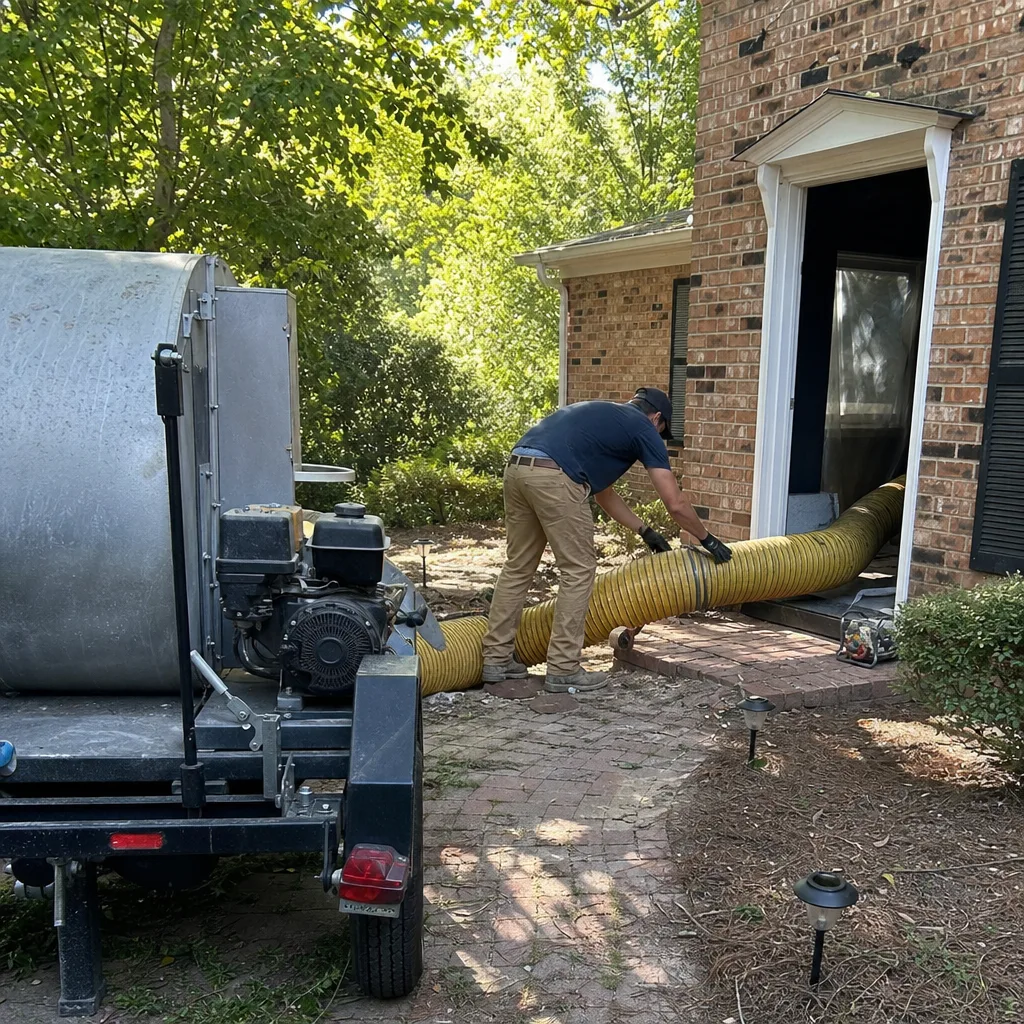
Not every HVAC odor indicates duct contamination, and treating the wrong odor with duct cleaning wastes money. We’ve developed a simple identification framework based on what we’ve found in Atlanta homes since 2013, organized by when the odor appears and what it smells like.
Musty or Earthy Odor
When it appears: Continuous during cooling season, often stronger at system startup after periods of non-use.
What it indicates: Moisture accumulation in the duct system, most commonly in the return plenum or in flex duct with damaged vapor barrier. In Atlanta’s humid climate, condensation forms on cool duct surfaces when the vapor barrier is compromised or when insulation is missing at connections. The musty smell is microbial activity on organic material - dust, pollen, skin cells - that has accumulated on the wet surface.
What to document before calling: Note whether the odor is stronger at return grilles or supply registers. Return-side mustiness points to plenum or coil-pan issues; supply-side mustiness suggests downstream duct contamination. Photograph any visible moisture or staining at registers.
Dusty-Burning Smell on First Heat Use
When it appears: First 10-30 minutes of heating operation after summer layoff, typically October or November in Atlanta.
What it indicates: Normal accumulation of dust on heat exchanger surfaces and in supply ductwork during cooling season. The brief burn-off is expected and should dissipate within an hour. If the odor persists beyond the first cycle, or if it appears acrid rather than dusty, shut the system and call for inspection - this may indicate electrical or mechanical failure rather than debris.
What to document: Duration of odor, whether it recurs on subsequent cycles, and whether it’s present at all registers or isolated to one area.
Chemical or Adhesive Odor
When it appears: During cooling operation, often in homes 10-20 years old with original flex duct.
What it indicates: Off-gassing from deteriorating flex-duct liner adhesive. The fiberglass insulation and its bonding agent break down over time, especially in attics with high temperature variation. The odor is often described as “sweet,” “glue-like,” or “new carpet” - but in a 15-year-old system, it’s degradation, not newness.
What to document: Age of home, age of HVAC system if known, and whether the odor intensifies during peak attic temperatures (mid-afternoon in July-August). This condition typically requires duct replacement rather than cleaning, as the liner material itself is failing.
Sour or Vinegar-Like Odor
When it appears: Intermittent, often correlated with high outdoor humidity.
What it indicates: Bacterial growth on the evaporator coil or in the condensate pan, with odor being distributed through the duct system. This is a coil/pan maintenance issue, not primarily a duct contamination issue, though the ductwork may have secondary contamination from years of distributing the odor.
What to document: Whether the odor persists with fan-only operation (no cooling), which isolates the coil from the duct distribution as the source.
CleanRun’s HVAC Cleaning in Atlanta addresses coil and pan contamination as part of a complete system assessment, with photo documentation of the evaporator condition before any work is quoted.
What Atlanta Renovation Activity Looks Like Inside Ductwork
Atlanta’s housing stock includes thousands of homes renovated between 2015 and 2025, from Inman Park Victorians to Midtown condos to Decatur bungalows. In our inspection photo archive, post-renovation duct contamination has distinct signatures that homeowners can learn to recognize - and that contractors must address with different cleaning approaches.
Drywall Compound Dust
Appearance: Fine, white to off-white powder that coats duct surfaces uniformly. It’s extremely light and becomes fully airborne with minimal disturbance. In photos, it looks like a light snowfall on the duct floor.
Where it accumulates: Return ductwork, especially if return grilles were not sealed during drywall sanding. The fine particles bypass typical shop-vac filtration and resettle throughout the system.
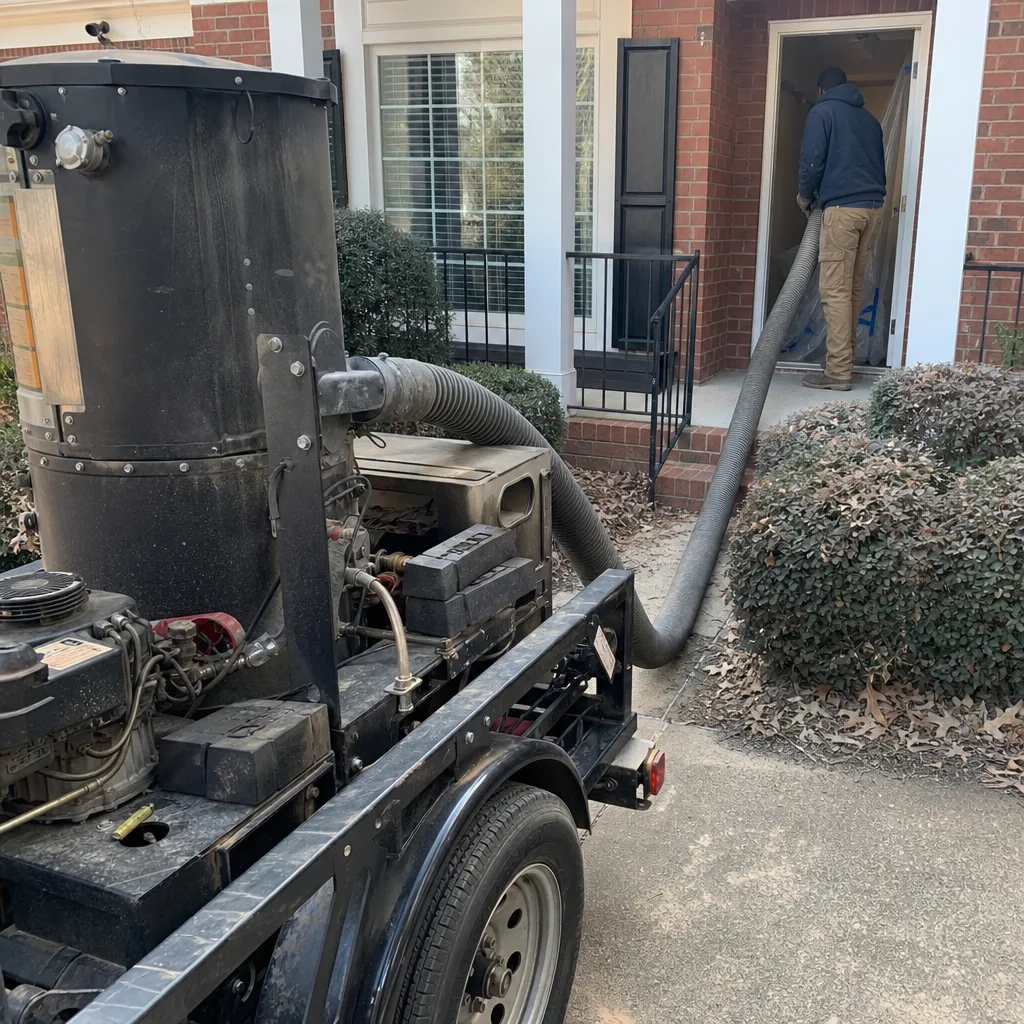
Cleaning requirement: Negative-pressure extraction with HEPA filtration. The particle size (typically 1-5 microns) requires equipment with certified HEPA capture, not standard vacuum filtration. We use Abatement Technologies portable HEPA units for this application.
Wood Fiber and Sawdust
Appearance: Larger, fibrous particles with visible grain structure. Often mixed with drywall dust in whole-home renovations.
Where it accumulates: Supply and return systems, particularly at elbows and in flex duct with internal ridges where fibers catch.
Cleaning requirement: Mechanical agitation plus negative-pressure extraction. The fibers are too large for suction alone and require brushing or compressed-air disturbance to mobilize. Rotobrush contact-vacuum systems are effective for this contaminant type in rigid ductwork.
Spray-Foam Off-Cuts and Overspray
Appearance: Irregular yellow or beige chunks, sometimes with a tacky surface that has collected additional dust. In closed-cell applications, the material is dense and may partially block duct cross-section.
Where it accumulates: Typically in attic ductwork near the air handler, where spray-foam insulation was applied to the building envelope. Off-cuts fall into open boots or through damaged flex duct.
Cleaning requirement: Manual removal of large pieces followed by mechanical cleaning of adhered residue. This contaminant cannot be fully addressed with vacuum-only methods.
Why This Matters for Your Cleaning Quote
A contractor who treats all post-renovation contamination the same way will underperform on at least one contaminant type. When you call for an estimate, describe your renovation timeline and the trades involved - drywall, flooring, insulation, structural - so the assessment can target the expected contaminant profile. CleanRun’s written scope specifies the equipment and method for each duct run based on inspection findings, not a flat-rate assumption.
Room-by-Room Inspection Checklist
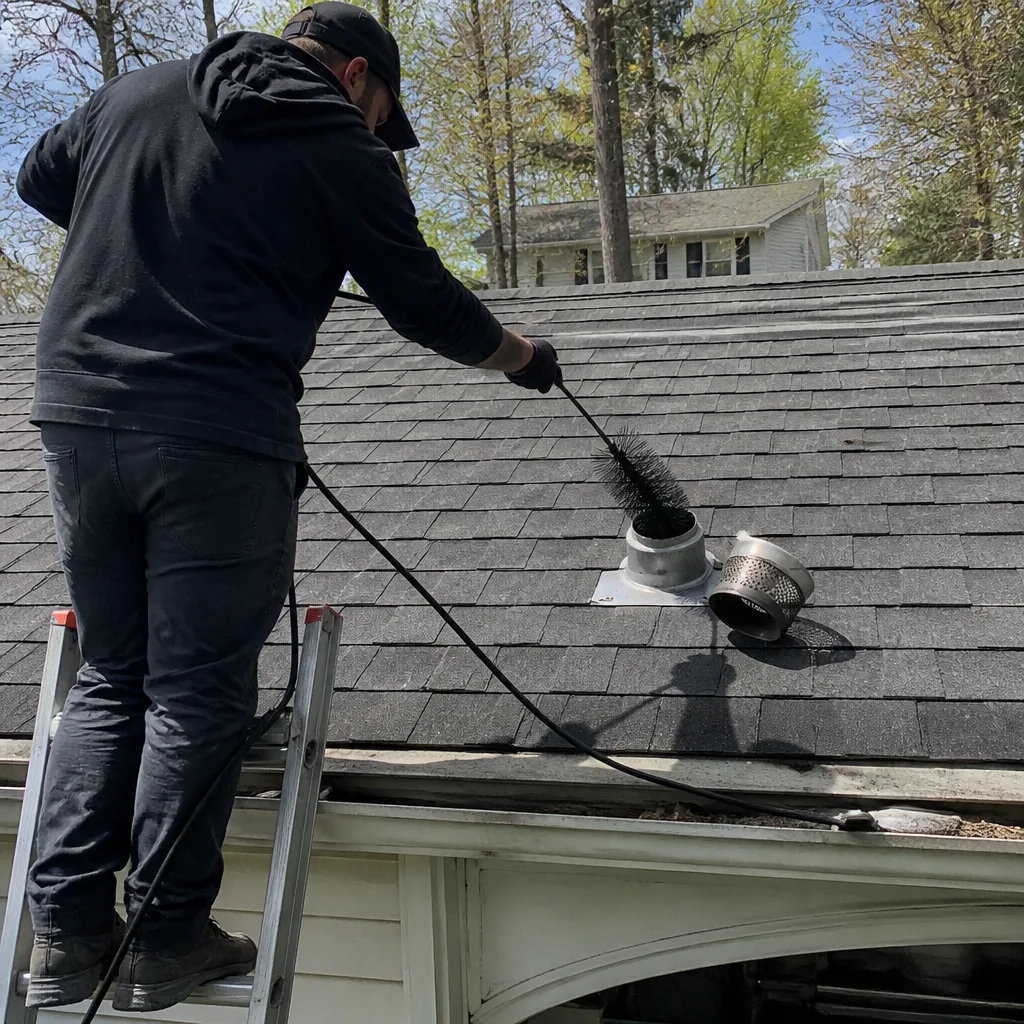
Use this checklist seasonally - we recommend March, before pollen season, and October, before heating season - to catch changes early. For more guides & resources, visit our blog.
Living Areas and Bedrooms
- Remove register. Shine flashlight into duct boot. Note any visible debris, insect activity, or moisture staining.
- Check register vanes for packed dust that requires pressure to dislodge.
- Measure room temperature during cooling cycle; compare to adjacent room with similar exposure.
- Inspect wall/ceiling around return grille for ghost staining pattern.
- Note any odor when system first cycles on.
Kitchen
- Check range hood duct independently from HVAC (grease contamination requires different cleaning).
- Inspect HVAC return for unusual oil film or cooking odor persistence - indicates return grille too close to cooking surface or inadequate makeup air.
Bathrooms
- Verify exhaust fan duct is independent from HVAC - shared ductwork is a code violation and contamination vector.
- Check HVAC register for moisture staining or corrosion, indicating humidity control failure.
Utility Room / Basement
- Inspect filter rack for gaps, bowing, or improper filter seating.
- Photograph filter at installation and at inspection intervals.
- Check condensate pan and drain for standing water or algae growth.
- Note any new vibration or noise from air handler - debris in blower wheel causes imbalance.
Attic and Crawl Space (If Accessible)
- Visually inspect flex duct for damage, disconnection, or compression.
- Check metal duct seams for separation or tape failure.
- Note any pest evidence - rodent trails, nesting material, insect frass.
- Photograph any condition changes for comparison year to year.
Document everything with dated photos. The photo record you create becomes valuable baseline evidence if you later hire a contractor - you can compare their after photos to your before photos, and you have documentation of when conditions first appeared. This is the same principle behind CleanRun’s Documented Photo Record on every visit, which we’ve delivered to customers since 2013.
Common Mistakes to Avoid
- Waiting for visible mold before acting. By the time mold is visible at a register, it has typically been established in the duct liner for months. The earlier indicators - musty odor, accelerated filter loading, temperature imbalance - are the actionable signals.
- Assuming all rooms should feel identical. Some temperature variation is normal based on solar gain, insulation quality, and duct length. The warning sign is a change from established baseline, or a persistent 3°F+ difference between rooms with equivalent exposure and register count.
- Using the cheapest filter and changing it on a calendar schedule. A $3 fiberglass filter loads slowly because it captures little; a pleated MERV-8 loads faster because it works. Track loading rate, not calendar dates, and size the filter to the system’s specified airflow.
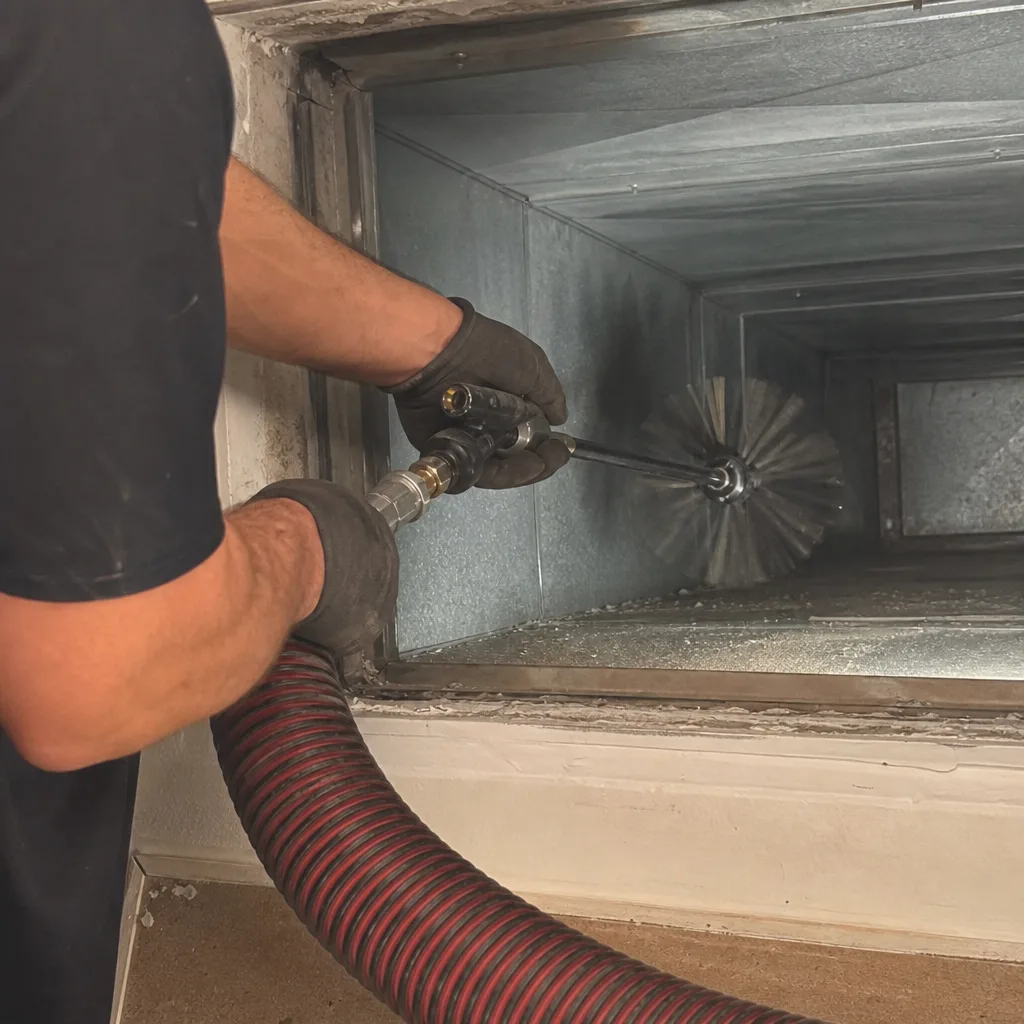
- Hiring based on coupon price without equipment verification. A $79 duct cleaning in Atlanta typically involves a shop vacuum at the register and no interior duct access. Ask what equipment will be used - Rotobrush, Nikro, or equivalent contact-vacuum or negative-pressure systems - and request photo documentation of the work.
- Ignoring post-renovation conditions. Drywall dust remains suspended in ductwork for years if not properly extracted. If your home was renovated during your ownership and the ducts were not cleaned afterward, assume contamination until inspection proves otherwise.
- Confusing duct cleaning with duct sealing. Cleaning removes accumulated debris; sealing addresses leakage. A system with significant leakage needs both, but cleaning alone won’t fix temperature imbalances caused by disconnected runs. The assessment should distinguish these.
- Accepting verbal estimates. Under Haven Standard Clause 1, every CleanRun job receives a written price before work starts. If a contractor won’t put scope and price in writing before beginning, the price is not the price.
When to Call a Professional
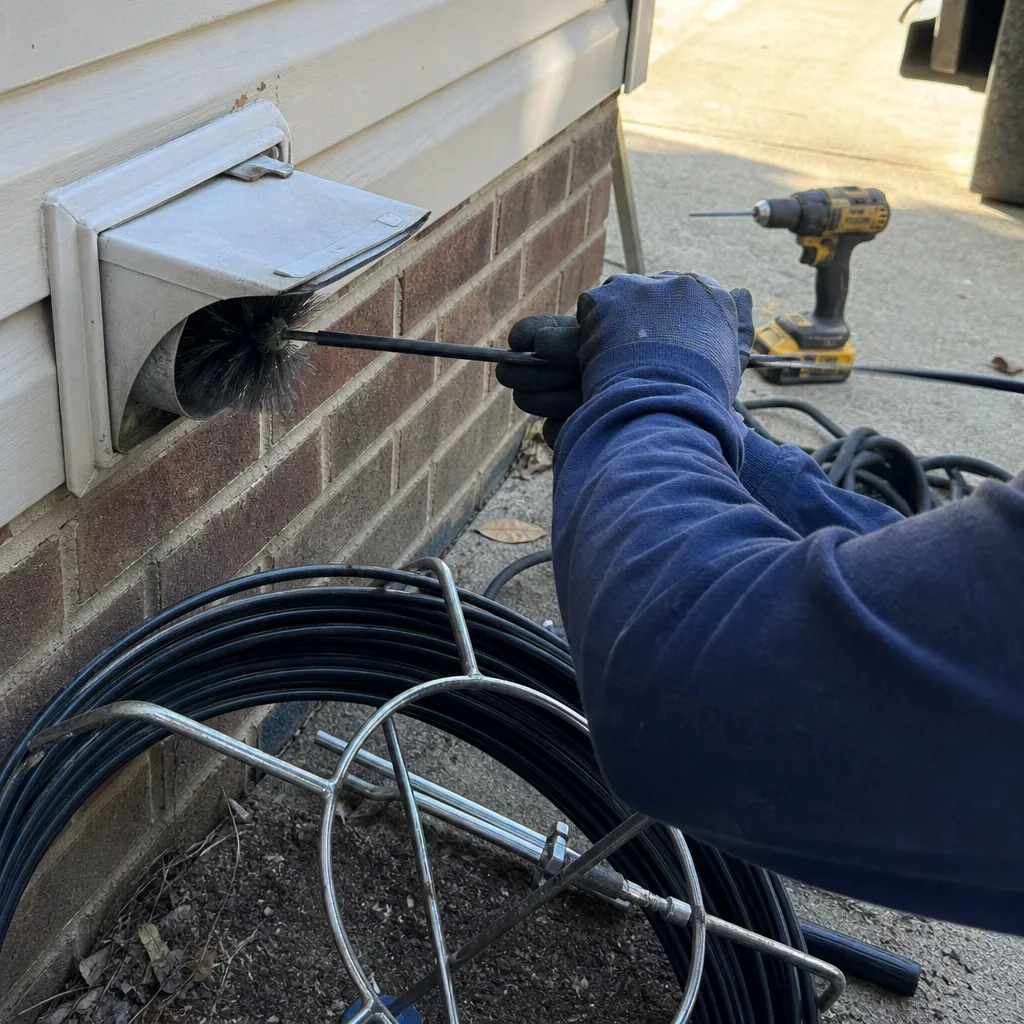
Call for inspection when you document any Tier 2 or Tier 3 indicator: persistent temperature differential, accelerated filter loading, musty or chemical odor, or visible debris past the register boot that you cannot reach. Also call after any renovation involving drywall, flooring, or insulation work, even if you don’t yet observe symptoms - post-renovation contamination is often latent until system airflow mobilizes it.
CleanRun Air Duct Cleaning Atlanta offers free estimates in Atlanta. A technician will inspect your system, document findings with photos, and deliver a written scope and price before any work begins. Every job is backed by the 365-Day Done Right Promise and the full H.A.V.E.N. Standard, including verified, background-checked, uniformed crews. Call (470) 495-9370 to schedule.
Frequently Asked Questions
Whole-system air duct cleaning in Atlanta typically ranges from $450 to $1,200 for a single-family home, depending on system size, duct material (flex versus metal), accessibility, and contamination type. Post-renovation cleaning with multiple contaminant types falls at the higher end. CleanRun provides a written price before any work starts under Haven Standard Clause 1, with no per-vent add-ons or post-arrival upsells. Call (470) 495-9370 for an exact quote - estimates are free.
Low quotes typically reflect limited scope: register-vacuuming only, no interior duct access, no HEPA filtration, and no photo documentation. A $79-$149 price cannot cover the labor, equipment, and disposal costs of proper negative-pressure extraction across a complete residential system. The difference is visible in the results - and in the absence of a documented photo record showing what was actually removed. CleanRun’s written scope specifies equipment (Rotobrush, Nikro, Abatement Technologies) and method for each duct run.
Require before-and-after photos of every duct run, delivered as part of the standard job record. CleanRun has photographed every duct run on every job since 2013; the photo record is included, not optional. If a contractor cannot or will not provide dated, location-identified photos of your specific ductwork, you have no verification that interior surfaces were cleaned.
In Atlanta’s climate, with proper filtration and no major renovations, every 5-7 years is typical for homes without specific risk factors. Homes with pets that shed heavily, occupants with respiratory sensitivity, or recent renovation should consider 3-5 years. The correct interval is determined by inspection, not calendar - track your filter loading rate and temperature balance as described in this guide, and schedule cleaning when indicators change rather than on a fixed schedule.
You can clean register surfaces and the first few inches of duct boot with a vacuum and brush. Beyond that, residential duct systems require professional equipment: negative-pressure HEPA extraction systems, contact-vacuum or rotary brushes for mechanical agitation, and borescope inspection to verify results. Attempting to clean interior ductwork without proper equipment risks damaging flex duct, dislodging connections, or redistributing contamination rather than removing it. The CleanRun Air Duct Cleaning Atlanta home page details our complete assessment and cleaning protocol.
Yes. Atlanta’s long cooling season means systems run more hours annually than in northern climates, moving more total air volume through the ducts. The March-May pollen season delivers extremely high particulate loads that challenge standard filtration. High summer humidity supports microbial growth if moisture enters the duct system through leakage or condensation. These factors combine to make proactive monitoring - filter loading rate, temperature balance, odor changes - more important in Atlanta than in drier or cooler markets.
The Bottom Line
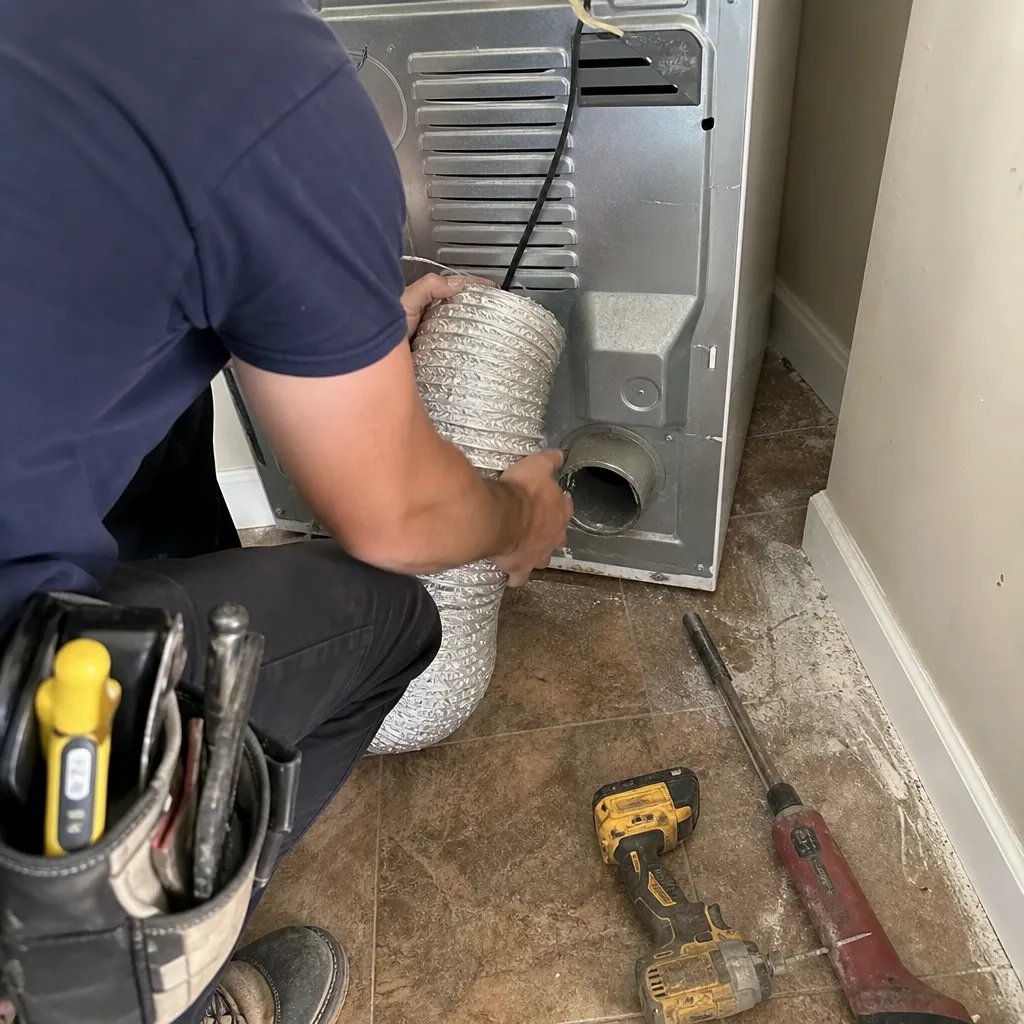
The warning signs that matter appear before the dramatic symptoms that dominate most online lists. A room that’s 3 degrees warmer than its neighbor, a filter loading in ten days instead of thirty, a dark rectangle around your return grille - these are the specific, documentable indicators that your duct system needs attention. Track them seasonally, photograph what you find, and demand the same documentation from any contractor you hire. The bait-and-switch reputation of this industry exists because too many homeowners accept vague promises and invisible results. The antidote is evidence: written prices, photographed conditions, and accountability that outlasts the service visit. That’s what CleanRun has delivered since 2013, and it’s what every Atlanta homeowner should expect.
Written by Tomas Reyes, Owner at CleanRun Air Duct Cleaning Atlanta, serving Atlanta since 2013.