
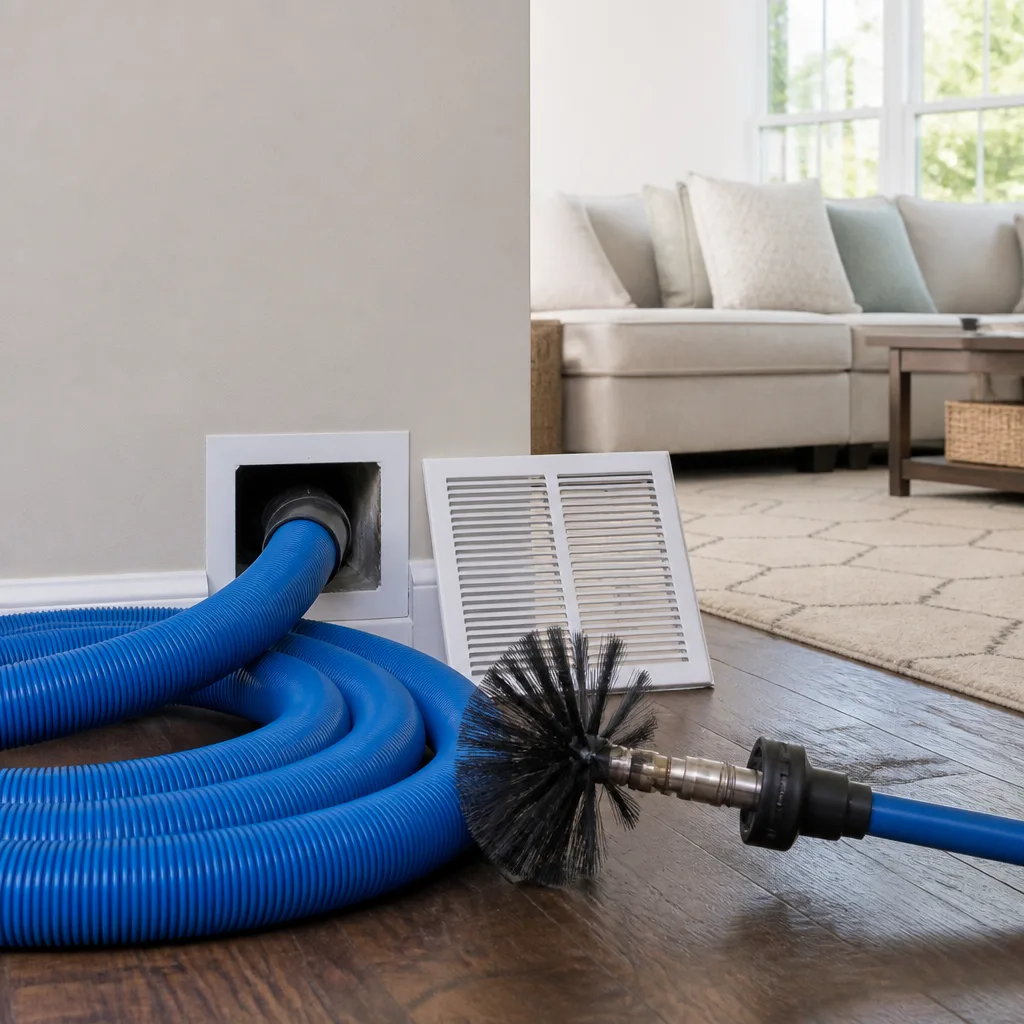
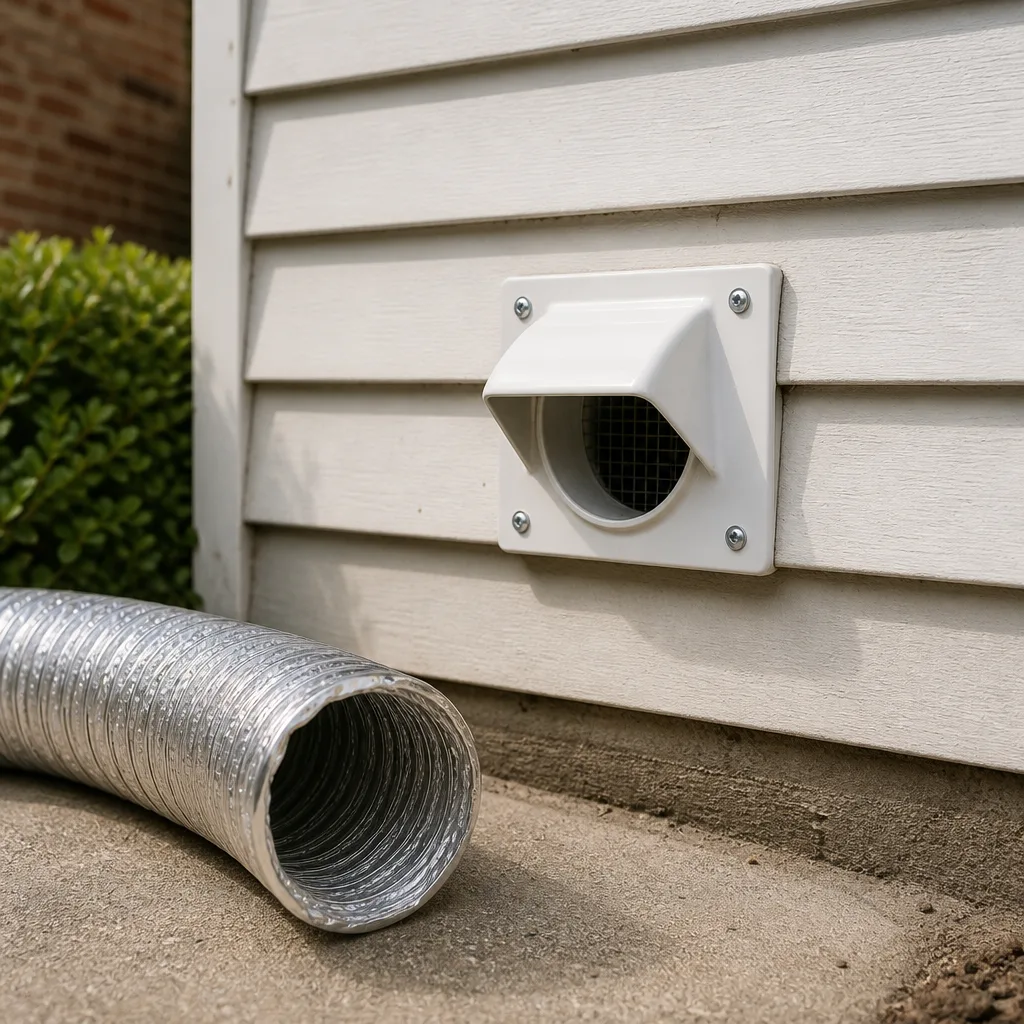
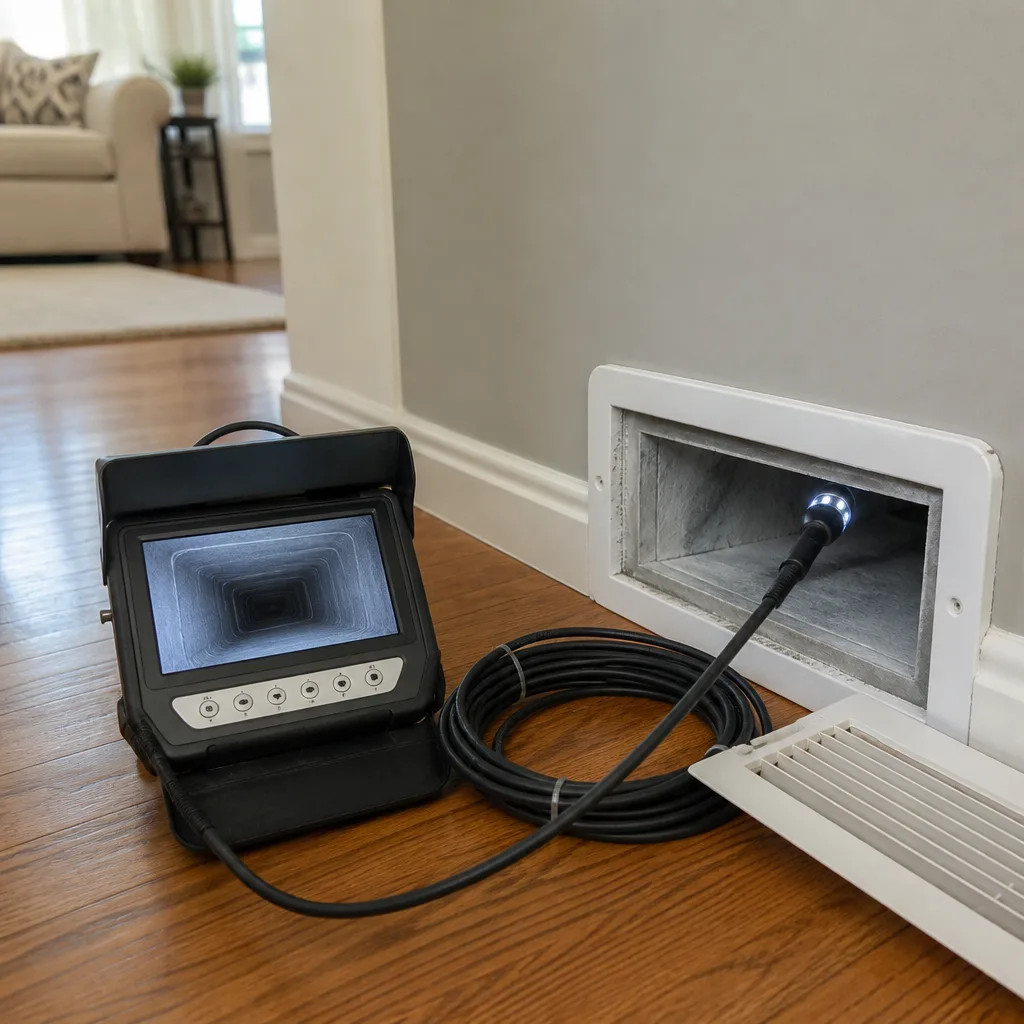
Whole-system duct and dryer vent check with before-and-after photos - you see exactly what came out of your vents
That "$99 whole-house special" is a bait ad - the real number appears once they are in your hallway, or the "clean" is a shop-vac at the register. We photograph the inside of your ducts before and after instead.
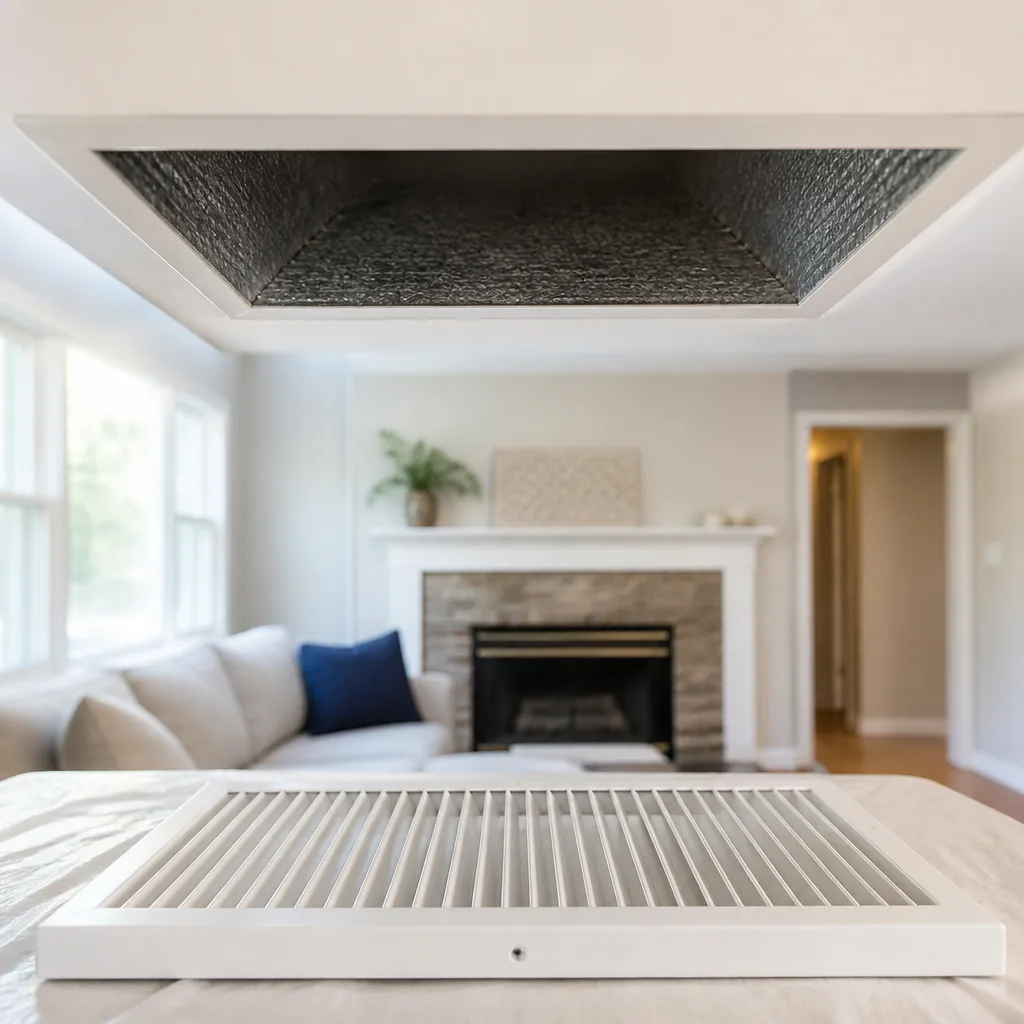
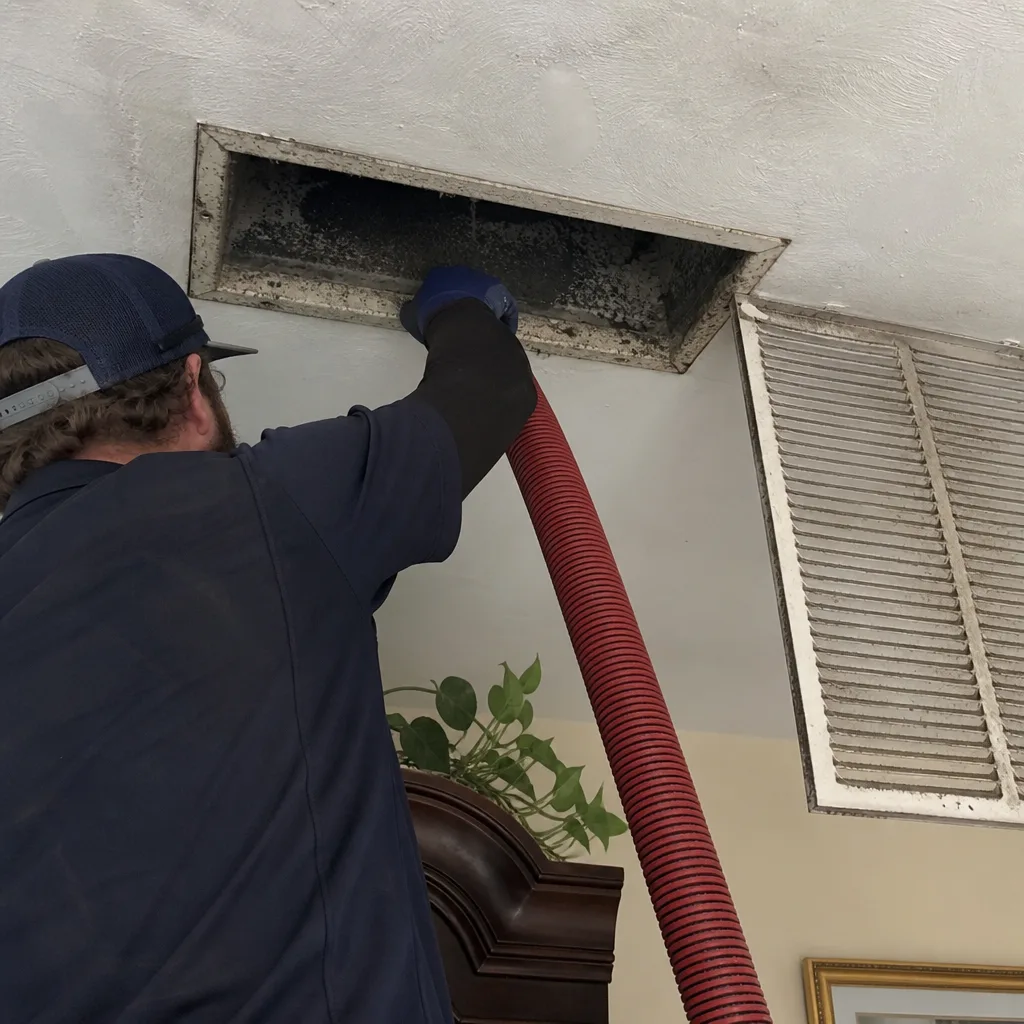 Before
 After
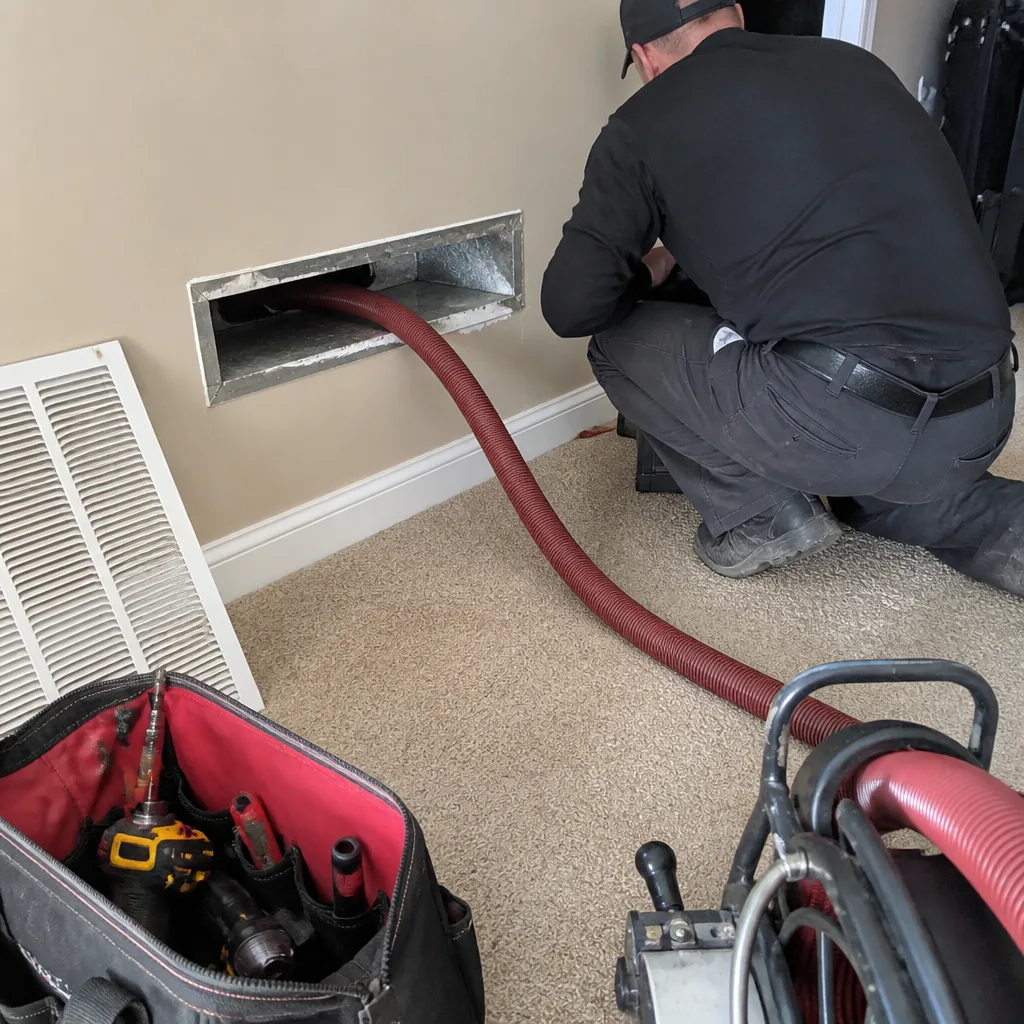
After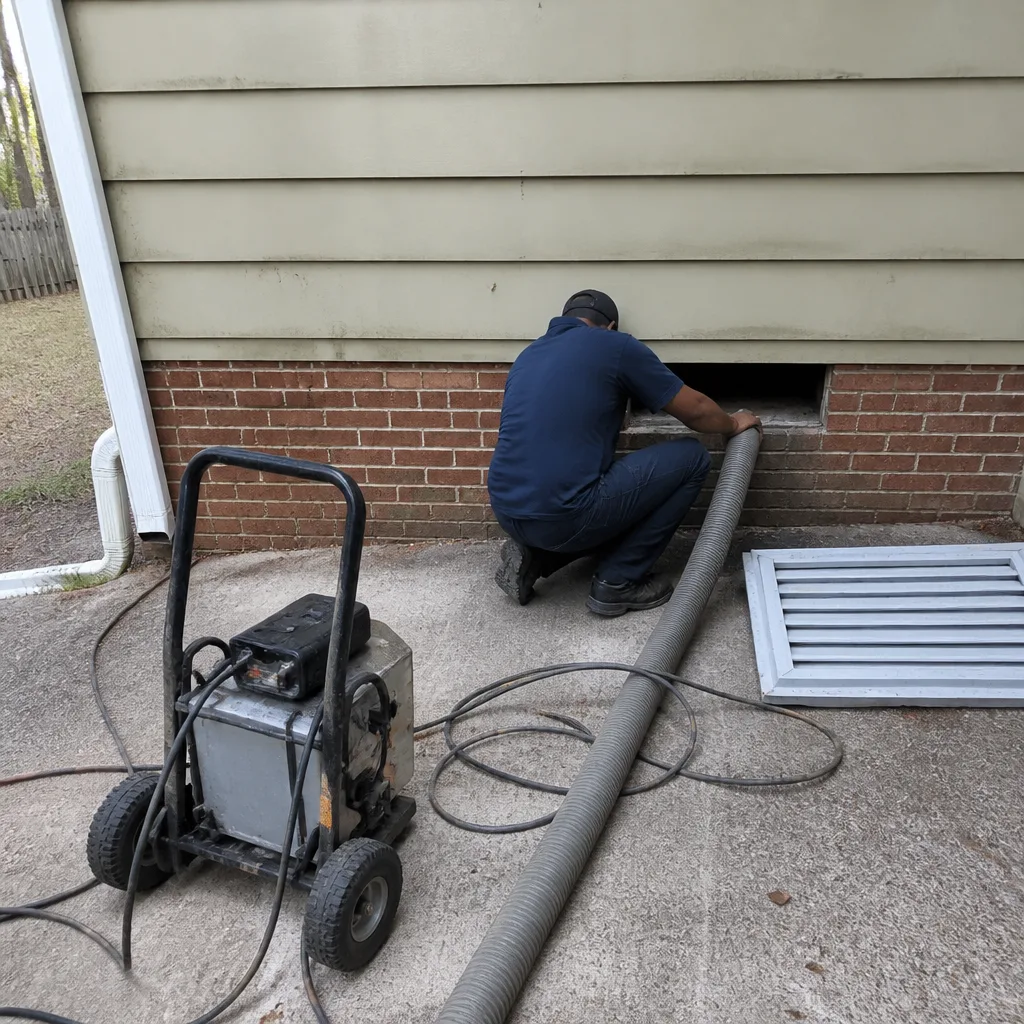 Before
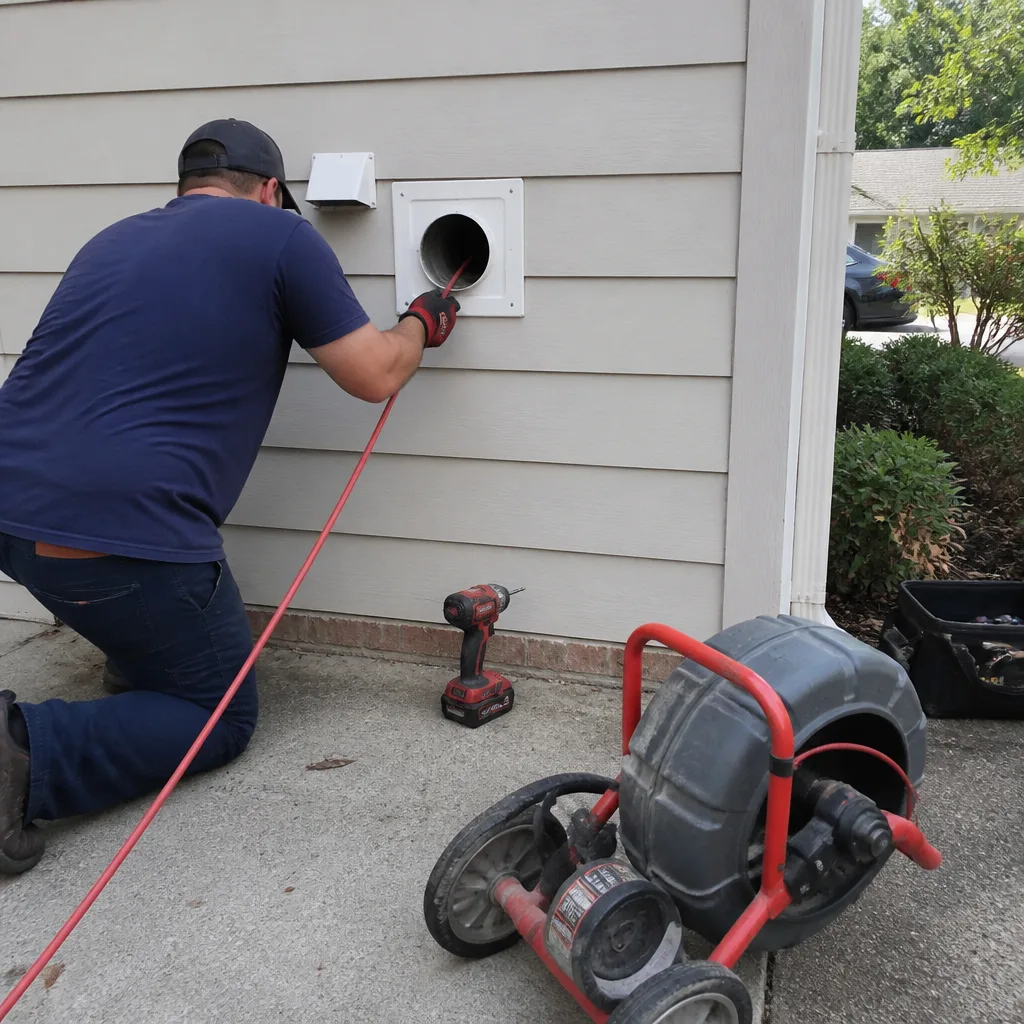 After
After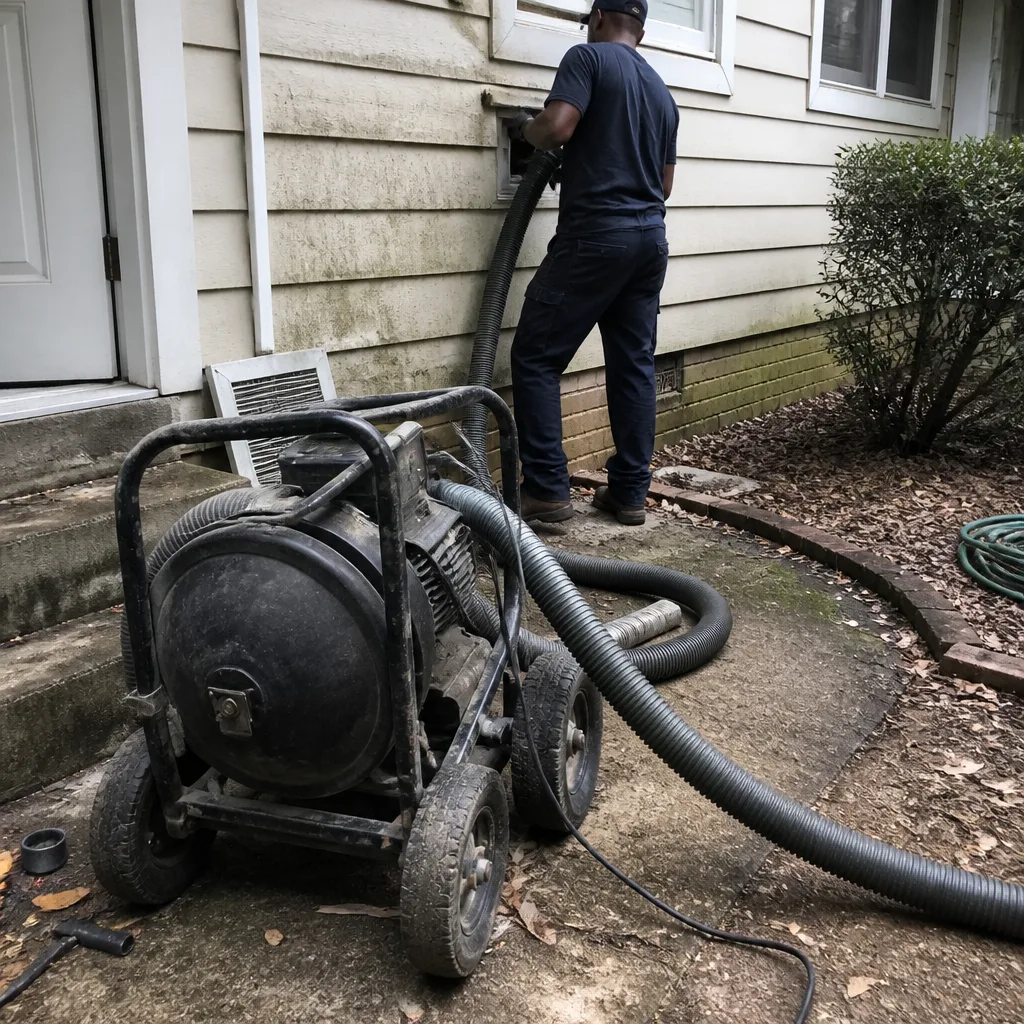 Before
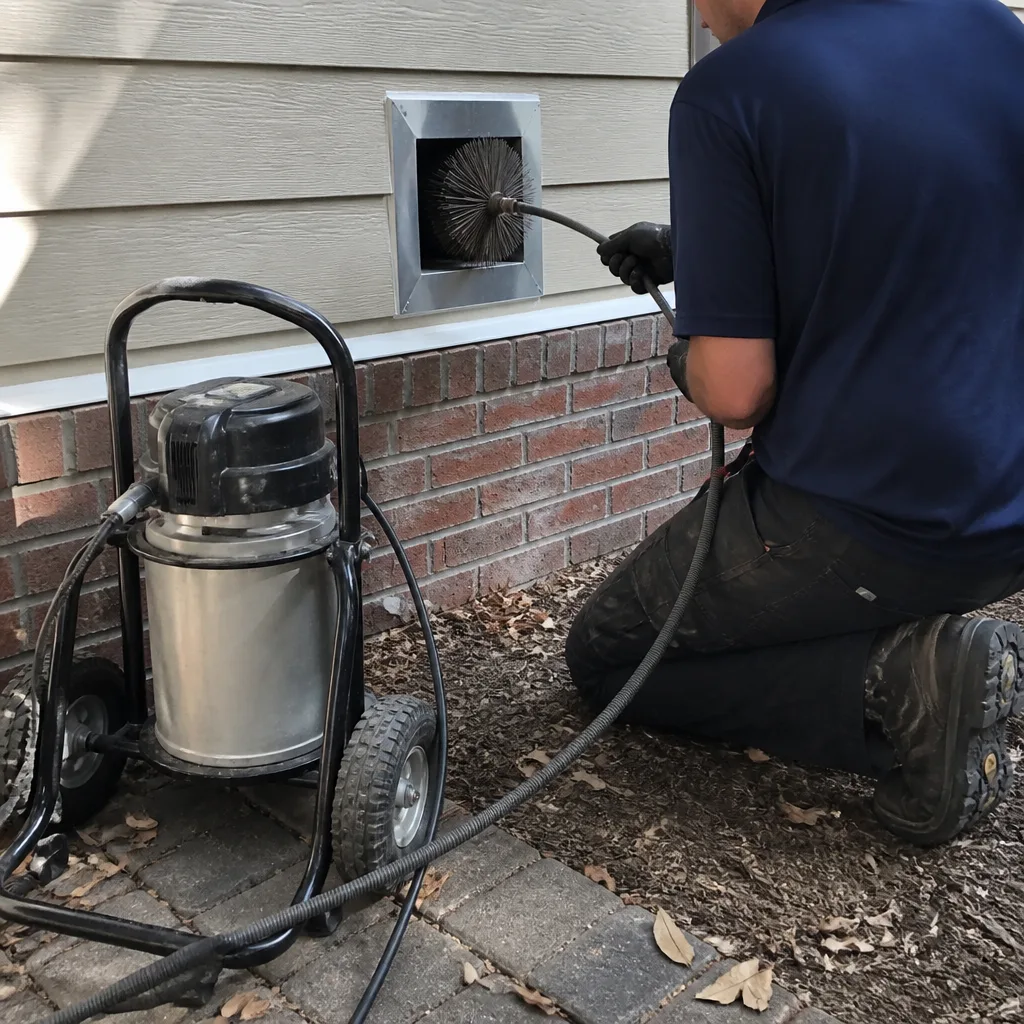 After
AfterHow Much Does Air Duct Cleaning Cost in Atlanta?
Air duct cleaning in Atlanta typically costs between $299 and $799 for a standard single-family home, with most jobs landing in the $350-$550 range depending on home size, duct configuration, and system condition. Larger homes in Sandy Springs, Buckhead, or East Cobb with two HVAC systems will run higher, while a compact Inman Park bungalow or a two-bedroom condo in Midtown usually sits at the lower end. CleanRun puts the written price in front of you before a single panel comes off – that’s not a policy subject to approval, it’s the standard on every job.
Air Duct Cleaning Cost Breakdown (2026)
The table below reflects real pricing in the Atlanta metro market as of 2026. These are not manufacturer suggested prices or national averages pulled from a data feed – they’re what Atlanta homeowners are actually paying, informed by the jobs CleanRun has documented since 2013 across neighborhoods from Decatur to Smyrna to Druid Hills.
| Service Item | Typical Price Range (Atlanta, 2026) | Notes |
|---|---|---|
| Standard duct cleaning – small home (under 1,500 sq ft) | $299 – $399 | Single system, up to 10 supply registers |
| Standard duct cleaning – mid-size home (1,500 – 2,500 sq ft) | $399 – $549 | Single system, 10-15 registers, one return |
| Standard duct cleaning – large home (2,500 – 4,000 sq ft) | $549 – $749 | Single or dual system, 15-25 registers |
| Dual-system home (common in Buckhead, East Cobb) | $699 – $999 | Each system quoted separately, both photographed |
| Dryer vent cleaning (add-on or standalone) | $99 – $179 | Longer runs in two-story homes cost more |
| Antimicrobial sanitizing treatment | $99 – $199 | Applied to duct interior after cleaning is complete |
| Duct sealing (per linear foot, flex duct) | $4 – $9 per foot | Common in Atlanta homes built 1975-1995 |
| Main trunk line cleaning (sheet metal, older construction) | $149 – $299 add-on | Inman Park, Grant Park, Virginia-Highland builds |
| Blower wheel and air handler cleaning | $149 – $249 add-on | Often necessary when coil has visible debris accumulation |
| Second-opinion review of a competitor’s written estimate | Free | CleanRun puts its own number next to theirs, in writing |
What Moves the Price Up or Down
The biggest single variable in Atlanta is square footage paired with duct configuration. A 2,200-square-foot home in Tucker with a single air handler and mostly straight flex-duct runs costs less to clean than a 2,200-square-foot home in Vinings with a sheet-metal trunk, multiple elbows, and a second system tucked in a crawlspace. Elbows, offsets, and long horizontal runs slow the equipment down and add time to the job – time that has a real cost on a written quote.
Home age matters too. Atlanta’s older in-town neighborhoods – Cabbagetown, Ormewood Park, Kirkwood – often have original ductwork from the 1960s and 1970s. That material is more fragile, sometimes partially collapsed, and takes longer to clean without causing damage. When the camera goes in and shows a three-inch debris build-up at the first elbow, that finding shapes the scope of work – and the price – before anything else happens.
Contamination level is the third driver. A home that has had a recent renovation in East Atlanta Village, for example, will often show drywall dust compacted into the liner of every flex-duct run. That’s a different job than routine dust and lint accumulation, and the written quote reflects the difference. CleanRun doesn’t charge renovation-level rates for a home that doesn’t need renovation-level work – but it also doesn’t quote renovation-contaminated ducts at routine rates and then discover the problem mid-job.
What Affects Air Duct Cleaning Pricing in Atlanta
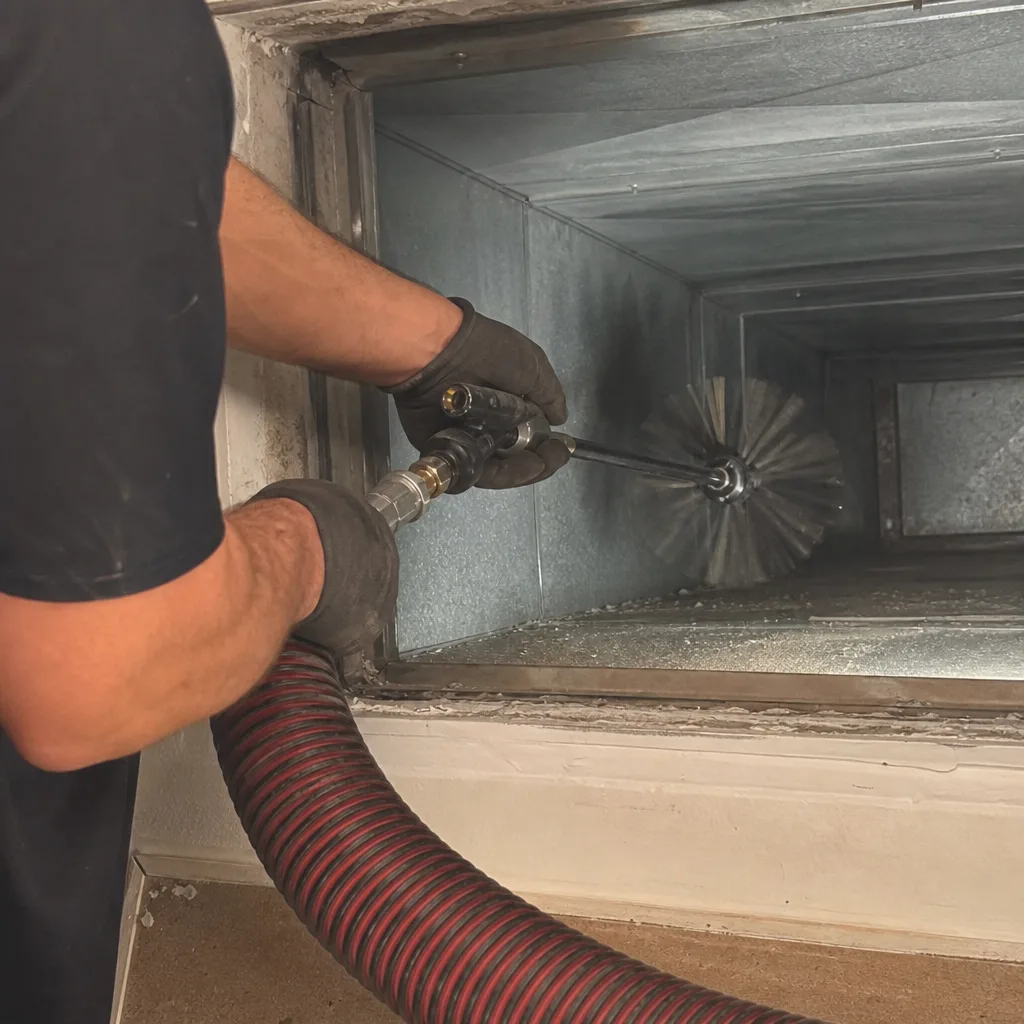
- Number of supply and return registers: Most Atlanta homes have between 8 and 22 supply registers plus one or two large return grilles. Each register is a separate duct run that gets photographed, brushed, and extracted. More registers means more time, which means a higher written price. The count is confirmed before work starts, not estimated.
- Duct material and age: Flexible duct (the silver accordion tubing visible in most Atlanta attics built after 1985) cleans faster than rigid sheet metal but is more susceptible to damage from improper equipment. Older fiberglass duct board, found in homes throughout Smyrna and Marietta from the 1970s, requires a gentler approach and adds time. Rotobrush equipment handles both configurations, but the technician adjusts technique based on what the camera shows.
- System accessibility: Attic-mounted air handlers in Atlanta’s ranches and split-levels are standard. Crawlspace systems – common in the Druid Hills and Morningside areas – add time because the technician is working in a confined space with limited clearance. That difference shows up in the quote.
- Contamination type: Dust and lint accumulation is the baseline. Mold growth (more common in Atlanta because of the city’s humidity levels – average relative humidity runs 70-75% in summer), pest debris, or renovation particulate each require a different scope of work. The camera record is what distinguishes “looks like it needs sanitizing” from “definitely needs sanitizing.”
- Number of HVAC systems: Many Atlanta homes above 2,800 square feet have two systems – one for the main floor and one for upstairs. Each system is a separate scope of work. In Buckhead and East Cobb, three-system homes exist. Every system is quoted and documented separately.
- Add-on services bundled at the time of cleaning: Dryer vent cleaning, blower wheel cleaning, and antimicrobial treatment are each priced as separate line items. Bundling them with a duct cleaning job costs less than scheduling them as individual visits – and because the technician is already on-site with the equipment staged, it’s also more efficient for the homeowner.
Why Atlanta’s Climate Creates a Specific Pricing Context
Atlanta’s humidity is not a side note – it’s a direct factor in what gets found inside ductwork and what it costs to address. The metro area averages around 50 inches of rainfall annually, and summer humidity regularly pushes past 70% indoors if the system isn’t managing it well. That moisture, combined with the fine red Georgia clay dust that finds its way into homes throughout Gwinnett, Cherokee, and Forsyth counties, creates a particulate-and-moisture combination that compacts into duct liners differently than dry dust does in drier climates.
Homes in lower-lying neighborhoods like parts of Peoplestown or Edgewood, where crawlspaces are common, also see higher rates of duct-level humidity intrusion. That’s not an argument for panic – it’s context for why the camera record matters. When the before photograph shows grey-brown compacted material at every elbow, the written quote that follows is grounded in evidence, not assumption.
BeforeAfterThe $79 Coupon Problem in Atlanta
Atlanta has a well-documented history with low-price duct cleaning bait-and-switch operations. The $79 coupon (sometimes advertised as $49 or $99) is a business model built on getting a technician through the door and then selling add-ons under pressure. The “cleaning” performed at that price point is typically a shop-vac attachment pulled through each register opening – it removes surface debris from the register face and the first few inches of duct, and leaves everything beyond the first bend exactly as it was.
The tell is the lack of documentation. A shop-vac job produces no before-and-after photographs of the duct interior because there’s nothing to photograph – the equipment never reaches the debris. CleanRun has been photographing the inside of every duct run since its first job in 2013. The camera doesn’t lie, and neither does the absence of one.
If you have a competitor’s written estimate and want a second number in writing next to it, that’s available at no cost. Bring the quote – CleanRun will put its own price next to theirs before any work is discussed. That’s not a sales tactic; it’s the written second-opinion policy on every job.
For a full explanation of what professional air duct cleaning actually involves – equipment, process, and what the documentation should look like when the job is done – see the Air Duct Cleaning in Atlanta service page.
How to Save on Air Duct Cleaning in Atlanta
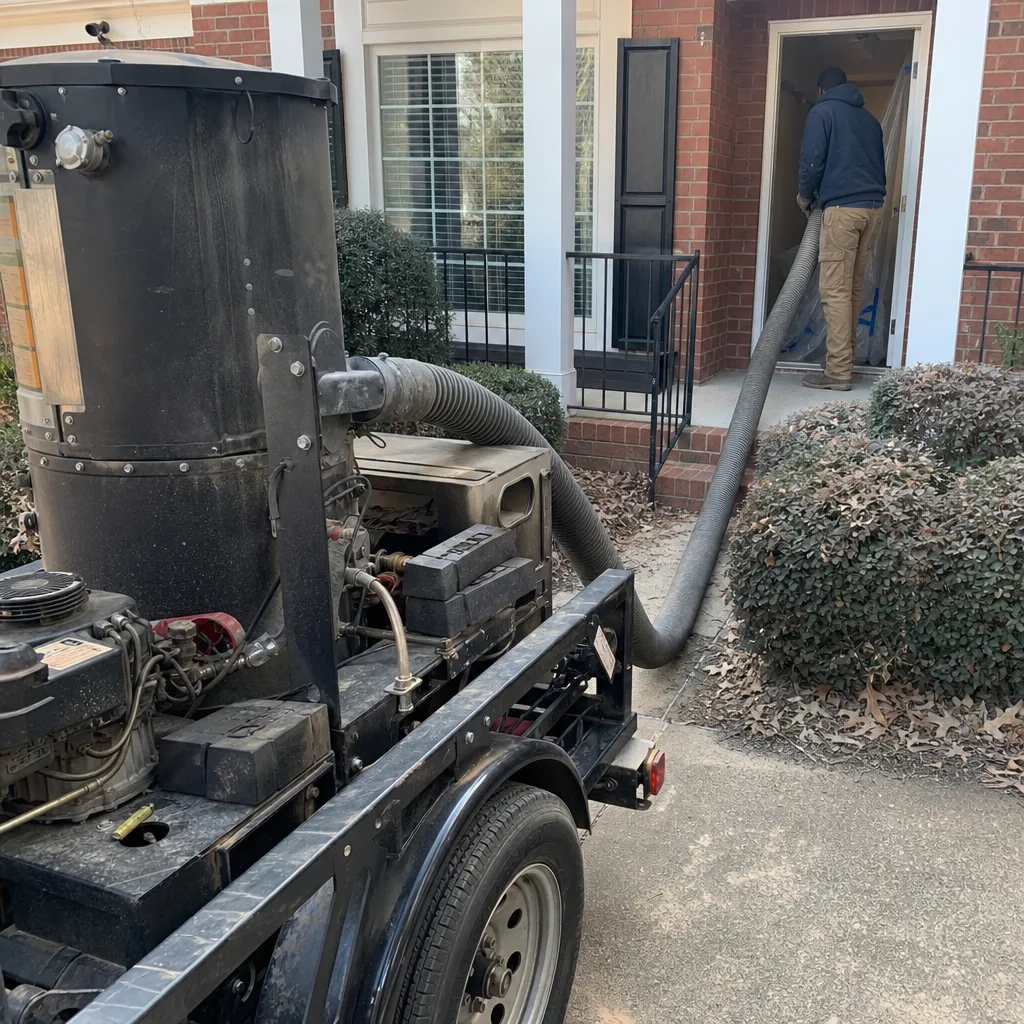
Saving money on duct cleaning near you in Atlanta, GA is mostly about timing, bundling, and knowing what you’re actually buying. Here’s what works in the Atlanta market:
- Bundle dryer vent cleaning with duct cleaning. The technician is already there with equipment staged. Adding dryer vent cleaning to a duct cleaning job is less expensive than scheduling it as a separate visit – typically $30-$50 less than the standalone price. Dryer vent cleaning in Atlanta homes with longer exterior runs (common in two-story builds in Alpharetta and Johns Creek) is a fire-safety item, not a luxury.
- Schedule in late fall or early spring. Atlanta’s HVAC demand peaks in June-August and again in December-January. Scheduling in October, November, March, or April means better technician availability and, occasionally, promotional pricing. Demand-driven wait times are longer in peak months.
- Get a written quote before agreeing to anything. This sounds obvious, but a large portion of Atlanta homeowners who overpay for duct cleaning do so because they agreed to verbal pricing that expanded once the technician was inside. Haven Standard Clause 1 means the written price is delivered before any panel comes off – hold every company to that same standard.
- Don’t over-clean. The EPA and NADCA guidance is that ducts need cleaning when there is visible contamination, not on a fixed annual schedule. For most Atlanta homes without pets, recent renovation, or humidity intrusion, every three to five years is a reasonable interval. A company that recommends annual cleaning for a clean system is either uninformed or selling you something.
- Ask what equipment will be used before booking. Negative-pressure extraction (where a powerful vacuum unit creates suction at the main trunk while a rotary brush system moves through each duct run) is what removes debris throughout the full length of the run. If a company can’t name the equipment, ask why. CleanRun uses Rotobrush, Nikro, and Abatement Technologies equipment – brand names you can look up independently before agreeing to a price.
- Use the free second opinion. If you have a written estimate from another Atlanta-area company, CleanRun will put a competing written price next to it at no cost. Call (470) 495-9370 and describe what the estimate covers – the written comparison comes back before any commitment is made.
What a Legitimate Cleaning Looks Like on Paper
When the job is done, the deliverable isn’t just clean ducts – it’s documentation. The job record includes before-and-after photographs of every duct run, a written scope showing what was cleaned and what equipment was used, and the 365-Day Done Right Promise in writing on the invoice. If the work isn’t right, CleanRun makes it right. That’s not a marketing line – it’s the written guarantee on every job, and it has been since 2013.
The 52,000-plus homes CleanRun has served across Atlanta since 2013 each received a written price before work started and a documented photo record when the crew left. That’s not a differentiator by accident – it’s the direct answer to an industry that built its reputation on doing neither.
What Does Air Duct Cleaning Actually Include?
This question comes up often in Atlanta because the phrase “duct cleaning” gets applied to a range of service qualities, from shop-vac noise to full negative-pressure extraction. Here’s what a complete job should cover:
- Pre-job camera inspection: A camera enters each duct run and photographs the interior condition. This establishes the baseline – what’s actually in there before any equipment runs. The before photographs are part of the customer’s job record.
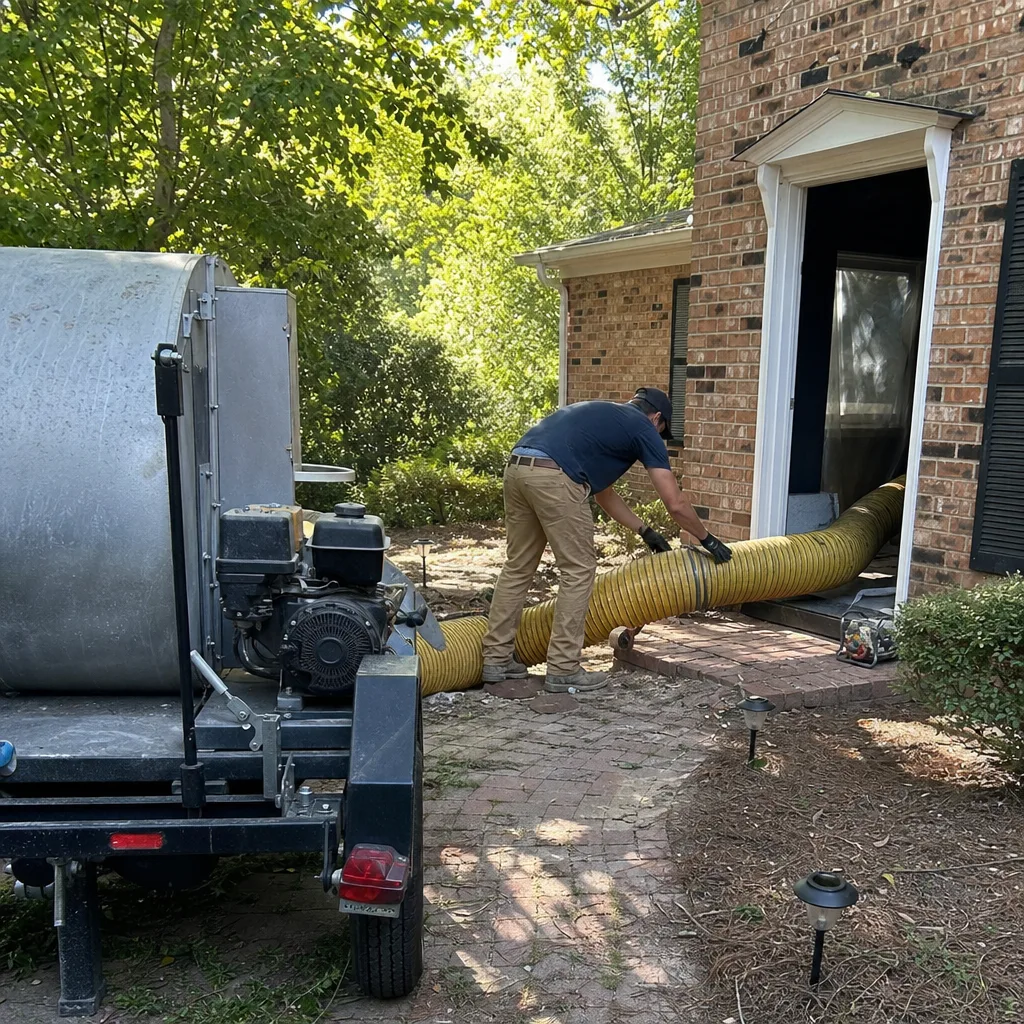
- Negative-pressure extraction setup: A high-powered vacuum unit (CleanRun uses Nikro and Abatement Technologies equipment for this stage) is connected to the main plenum – the large central distribution box connected to the air handler. The plenum is the hub of the duct system, and creating negative pressure there means debris dislodged anywhere in the system gets pulled toward the vacuum rather than redistributed into the living space.
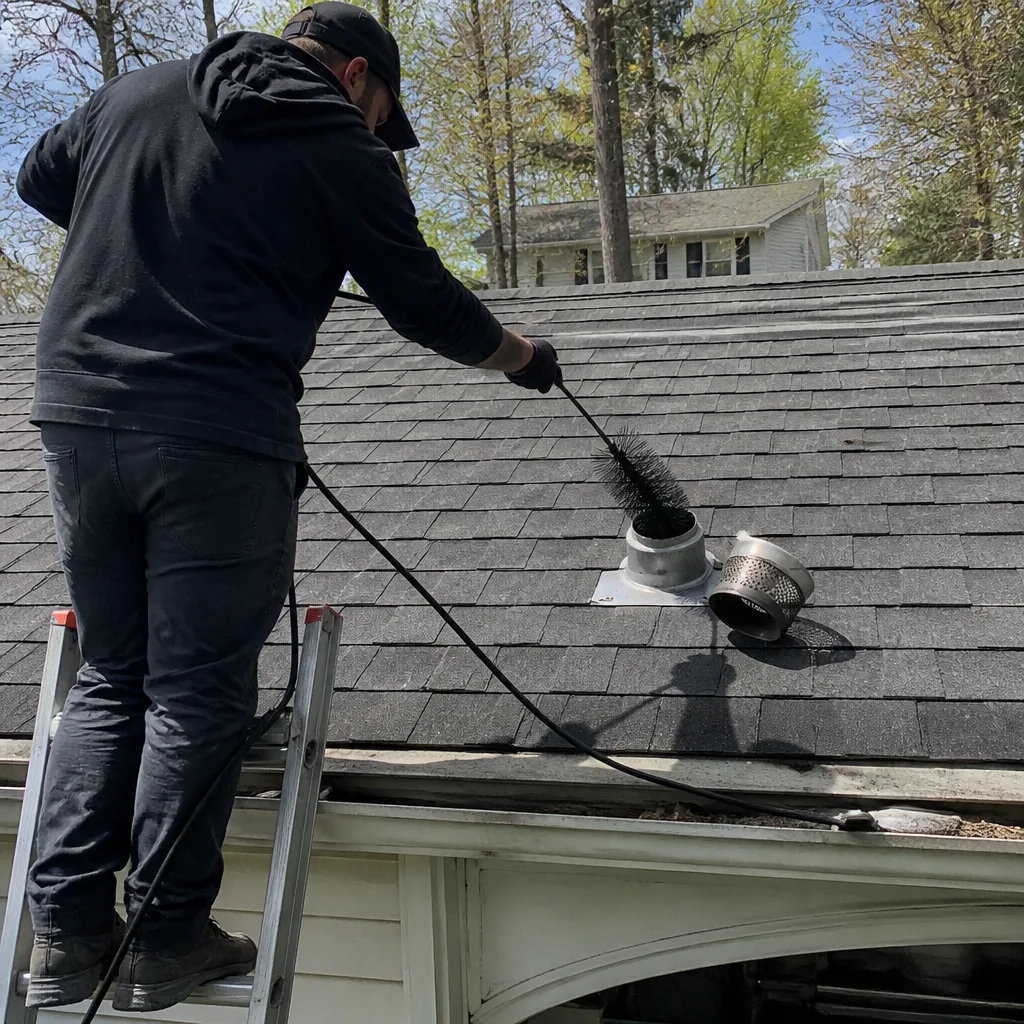
- Rotary brush agitation through every run: A rotary brush system (Rotobrush for flexible duct; stiffer brush configurations for sheet metal) moves through each supply run from the register opening back toward the plenum, dislodging compacted debris while the negative pressure extracts it. Every run. Not a representative sample.
- Return duct and air handler compartment cleaning: The return side of the system – often the most contaminated because it pulls air (and everything in it) from the living space – gets the same treatment. The air handler compartment, including the blower wheel area, is inspected and, when debris is present, cleaned as a separate line item.
- Post-job camera verification: The camera goes back in after cleaning. The after photographs are placed next to the before photographs in the job record. This is the only objective evidence that the cleaning reached the full length of the duct run.
- Register reinstallation and system test: All registers are reinstalled, the system is run, and airflow from each register is confirmed before the technician leaves.
If any of those steps are missing from a quote you’ve received, that’s worth asking about before work starts. The CleanRun home page has a plain-language breakdown of the H.A.V.E.N. Standard and what each clause means in practice.
FAQs – Air Duct Cleaning Cost in Atlanta
How much does air duct cleaning cost for a typical Atlanta home?
Most Atlanta single-family homes fall between $399 and $649 for a full duct cleaning with documentation. A 1,800-square-foot home in Decatur or Brookhaven with a single system and standard flex-duct configuration typically lands around $449-$499 with a written price delivered before work starts. Dual-system homes run $699-$999 depending on total register count and system condition. Call (470) 495-9370 for a written quote – the price comes before any work is discussed, not after.
Why do some Atlanta companies advertise $79 duct cleaning?
The $79 price point is a door-opener, not a real cleaning price. At that rate, the typical service is a vacuum attachment run through each register face – it removes visible debris at the opening and nothing beyond the first bend. The $79 becomes $400-$800 once the technician is inside and begins identifying “add-ons” that, in most cases, were always part of a complete job. The differentiator is documentation: a legitimate cleaning produces before-and-after photographs of the full duct interior. A shop-vac job produces none. If a company can’t show you inside the duct before and after, you have no way to verify what was actually cleaned.
How often should Atlanta homeowners clean their air ducts?
Every three to five years is the right interval for most Atlanta homes without complicating factors. Homes with pets that shed, recent interior renovation, a moisture intrusion event (flooding, roof leak, condensate drain overflow), or a documented mold finding warrant cleaning sooner. Atlanta’s humidity does create a higher baseline for microbial growth in duct systems than drier markets, so homeowners who’ve had standing water near the air handler should get a camera inspection regardless of when the last cleaning occurred. Annual cleaning is rarely necessary and is usually a sales recommendation, not a maintenance one.
Is it cheaper to repair or replace damaged ductwork in Atlanta?
Repair wins in most cases. Sealing disconnected flex-duct joints or patching a collapsed section of duct runs $4-$9 per linear foot in the Atlanta market. Full duct replacement for a 2,000-square-foot home ranges from $2,000 to $6,000 depending on accessibility and material. Replacement makes sense when the duct system has widespread liner degradation, improper sizing (common in original ductwork from 1960s-era Atlanta builds), or contamination that can’t be remediated by cleaning and sealing. The camera record is what separates a repair-or-replace recommendation grounded in evidence from one that isn’t. Call (470) 495-9370 – the written scope comes before any work discussion.
Does homeowners insurance cover air duct cleaning in Atlanta?
Standard homeowners insurance policies in Georgia do not cover routine air duct cleaning. Coverage may apply in narrow circumstances – specifically, when duct contamination is a direct result of a covered loss such as a fire, certain water damage events, or pest infestation covered under an endorsement. The claim process requires documented evidence of the contamination and its cause, which is exactly what the camera record provides. If you’re filing a claim that includes duct remediation, the before-and-after photograph record from a CleanRun job is the kind of evidence an adjuster can work with. Review your specific policy with your insurance agent before assuming coverage applies.
What equipment should a legitimate Atlanta duct cleaning company use?
Negative-pressure extraction equipment and a rotary agitation system are the two non-negotiables. For negative pressure, Nikro and Abatement Technologies units are industry-recognized. For rotary agitation in flexible duct systems (the standard in most Atlanta homes built after 1985), Rotobrush is the most-cited professional-grade brand. A company that arrives with a portable shop vacuum and a standard vacuum hose is not equipped to clean beyond the first elbow of any duct run. Ask the company to name the equipment brands before you book – any legitimate operation will answer that question without hesitation.
Tomas Reyes on What Honest Pricing Actually Looks Like
Tomas Reyes has led CleanRun Duct Repair & Cleaning since 2013, and his position on pricing has been consistent across every one of the 52,000-plus jobs the company has documented: the written price goes in front of the homeowner before any equipment is staged. Not after the technician sees how dirty the system is. Not after the first panel comes off. Before.
That’s Haven Standard Clause 1, and it exists because the alternative – pricing that expands once you’re committed – is the single most common complaint Atlanta homeowners have about the duct cleaning industry. The Documented Photo Record policy exists for the same reason: it turns “we cleaned your ducts” from a verbal claim into a verifiable fact. The before image shows the debris. The after image shows the clean liner. The comparison speaks for itself.
The 365-Day Done Right Promise is the third leg of the same structure. If the work isn’t right within a year of the job date, CleanRun makes it right. That’s in writing on the invoice, not available upon request from a manager.
Get a Written Price for Your Atlanta Home
If you’re ready to see an actual price for your home’s duct system – not a range, not an estimate pending a site visit, but a written number before any work starts – call CleanRun at (470) 495-9370. A live person answers every call. Describe your home’s size, your system count if you know it, and any specific concerns (renovation dust, pet hair accumulation, a recent humidity event), and the written quote comes back before any scheduling is finalized.
If you have a competitor’s written estimate, bring it. CleanRun puts its own number next to theirs in writing, at no cost, so you have two documented prices to compare before making a decision. That’s the free second-opinion policy – available on every job, every time.
Written by Tomas Reyes, Owner at CleanRun Duct Repair & Cleaning, serving Atlanta, GA since 2013. Pricing reflects the Atlanta market as of 2026. CleanRun Commercial Duct Cleaning Atlanta offers free written estimates – call (470) 495-9370.
What Our Customers Say
"My allergies genuinely improved. They also told me the ducts did not need sealing, which I had been quoted for elsewhere."
- Petra K."The dryer vent was almost completely blocked with lint. They showed me the photograph and I understood immediately why the dryer had been running twice."
- Lucia M."The before and after photographs of each run are the reason I used them. You cannot argue with what came out of the return."
- Marguerite O.