
Whole-system duct and dryer vent check with before-and-after photos - you see exactly what came out of your vents
That "$99 whole-house special" is a bait ad - the real number appears once they are in your hallway, or the "clean" is a shop-vac at the register. We photograph the inside of your ducts before and after instead.
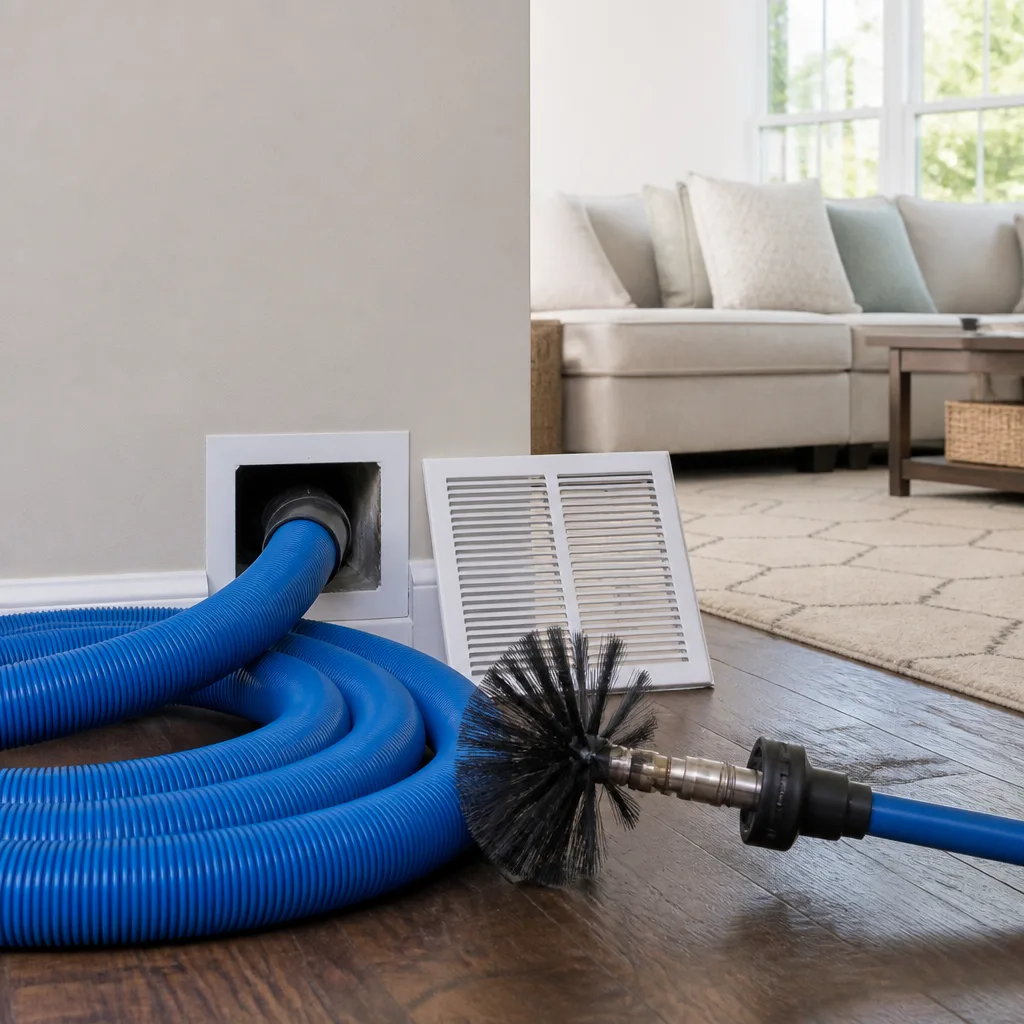
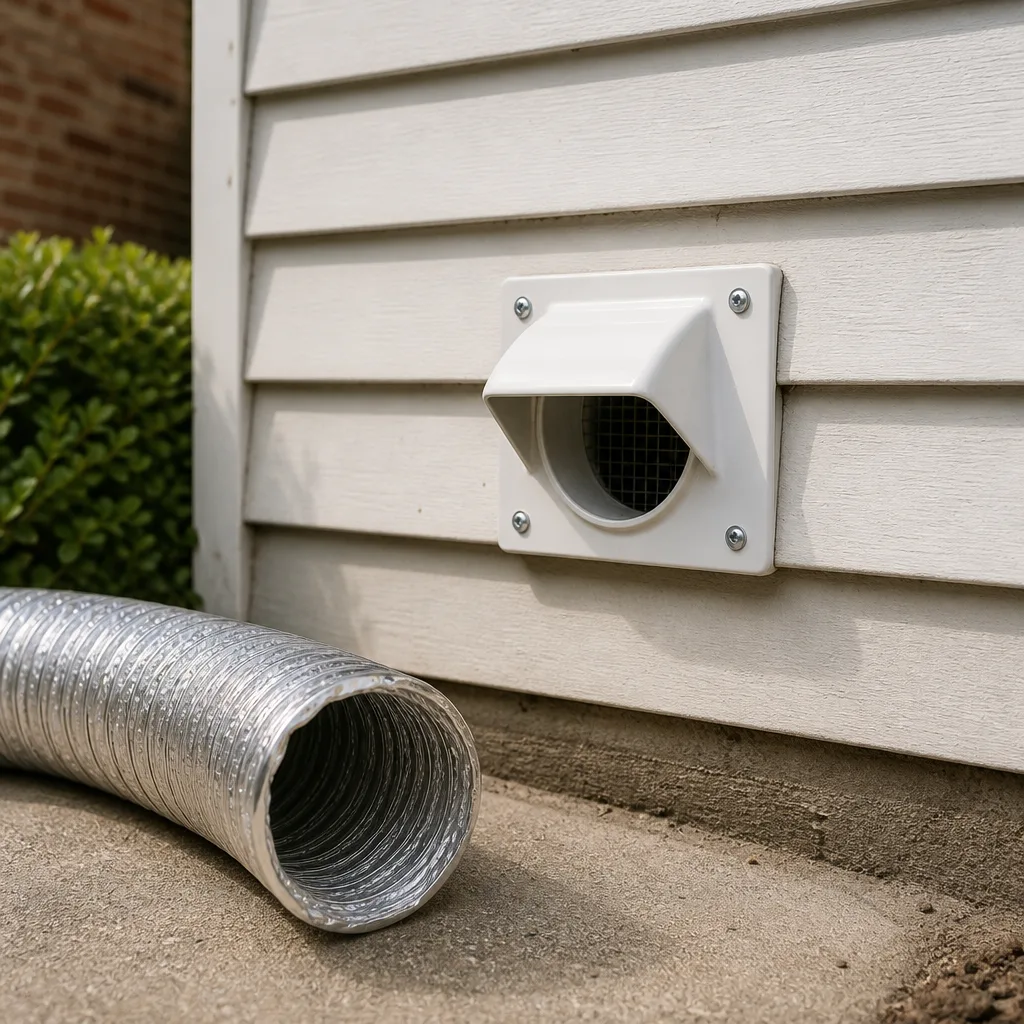
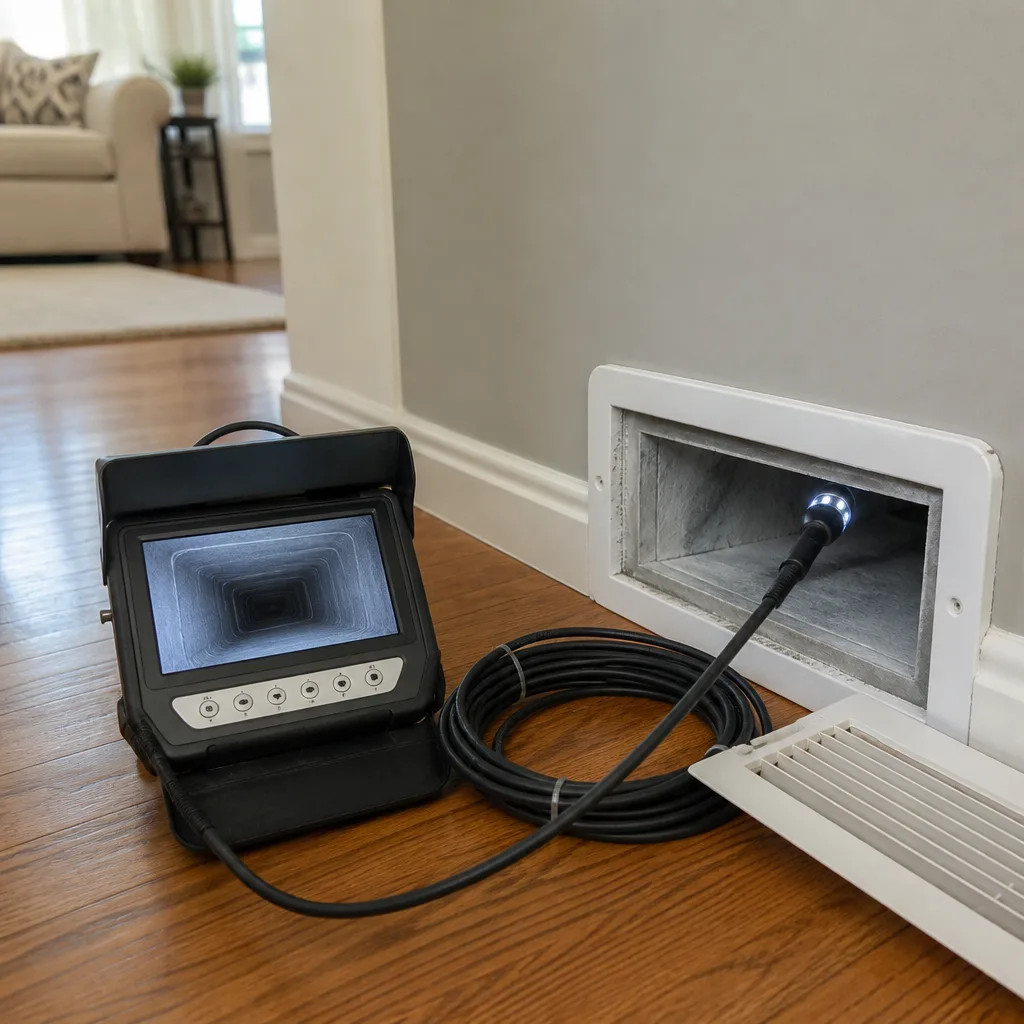
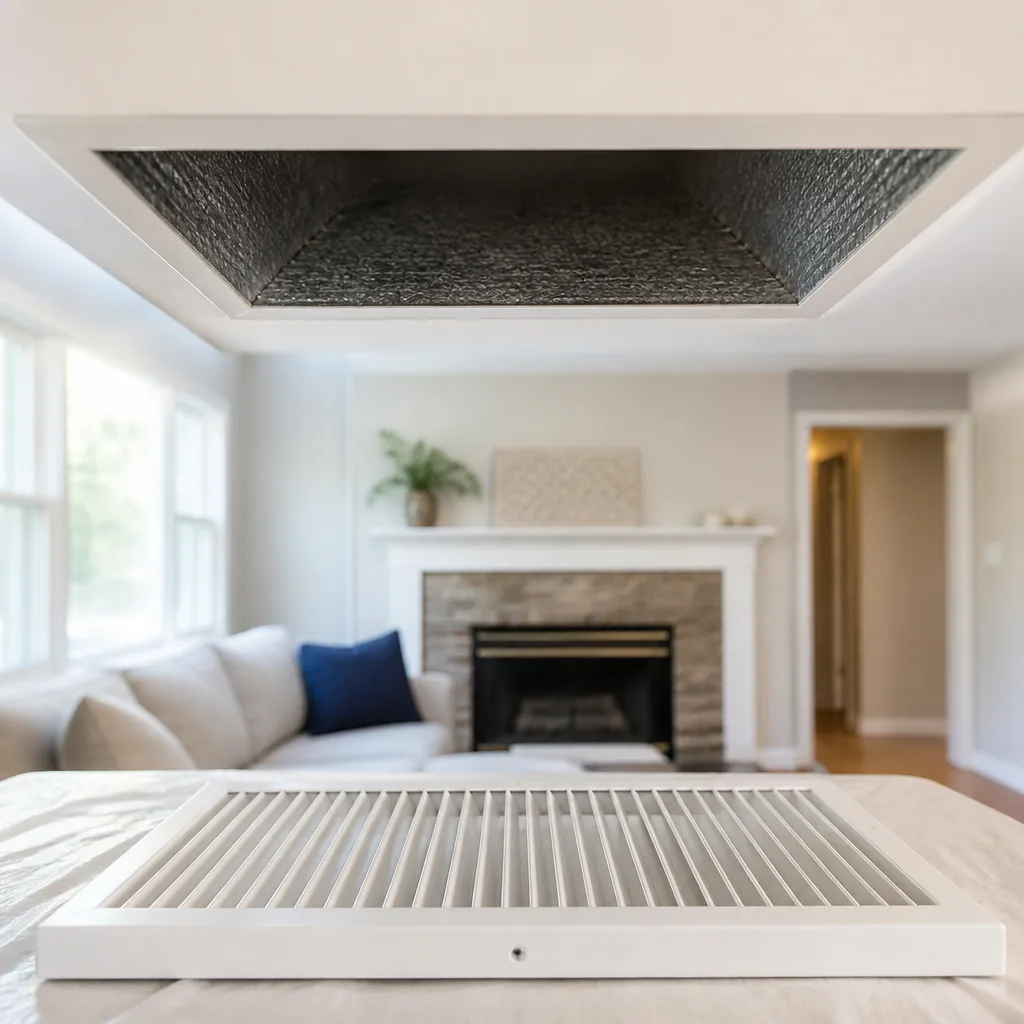
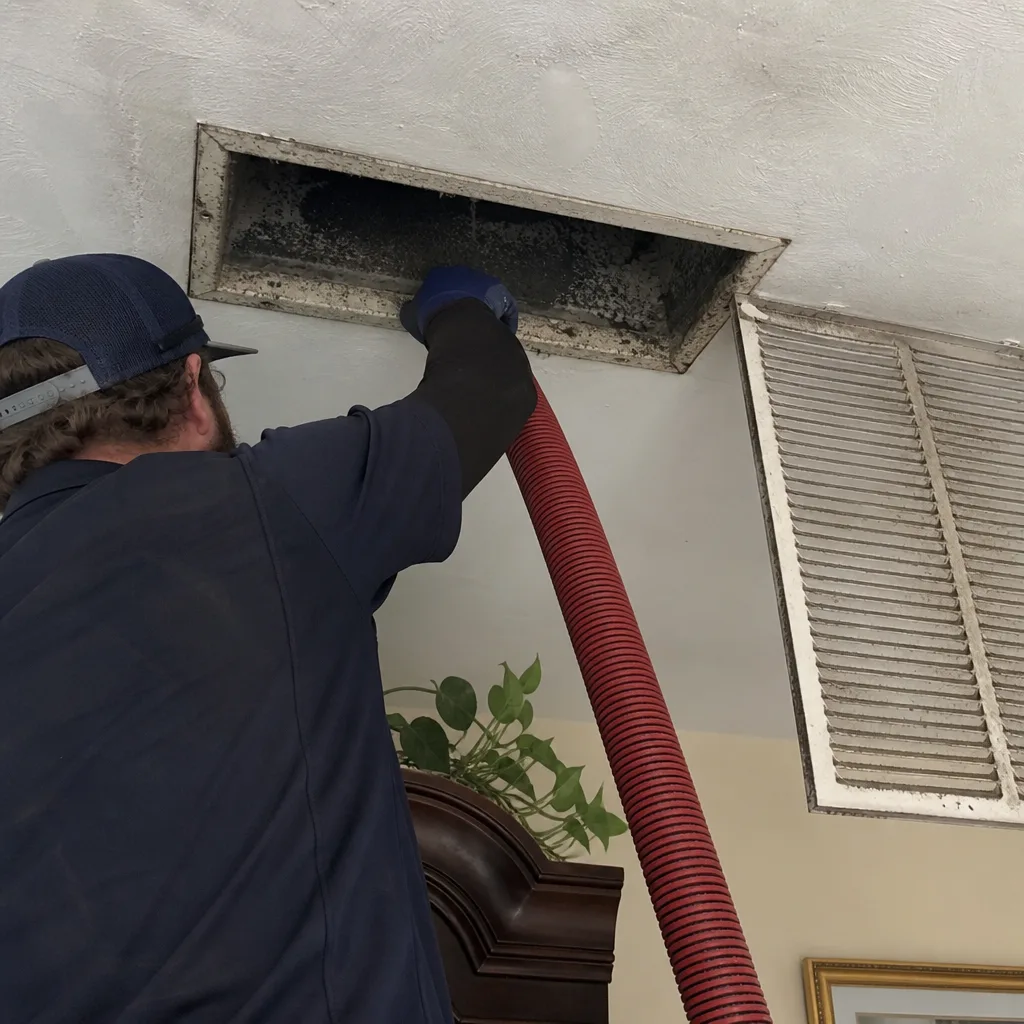 Before
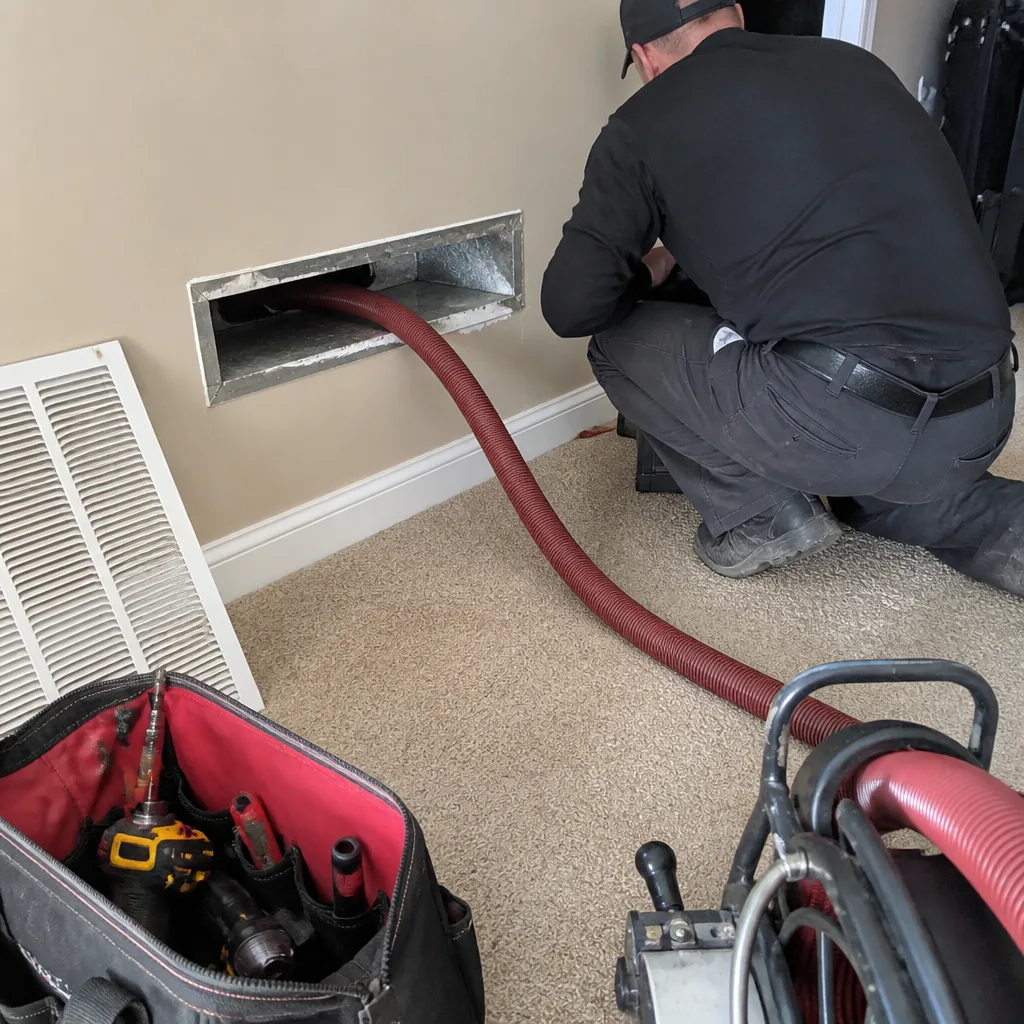 After
After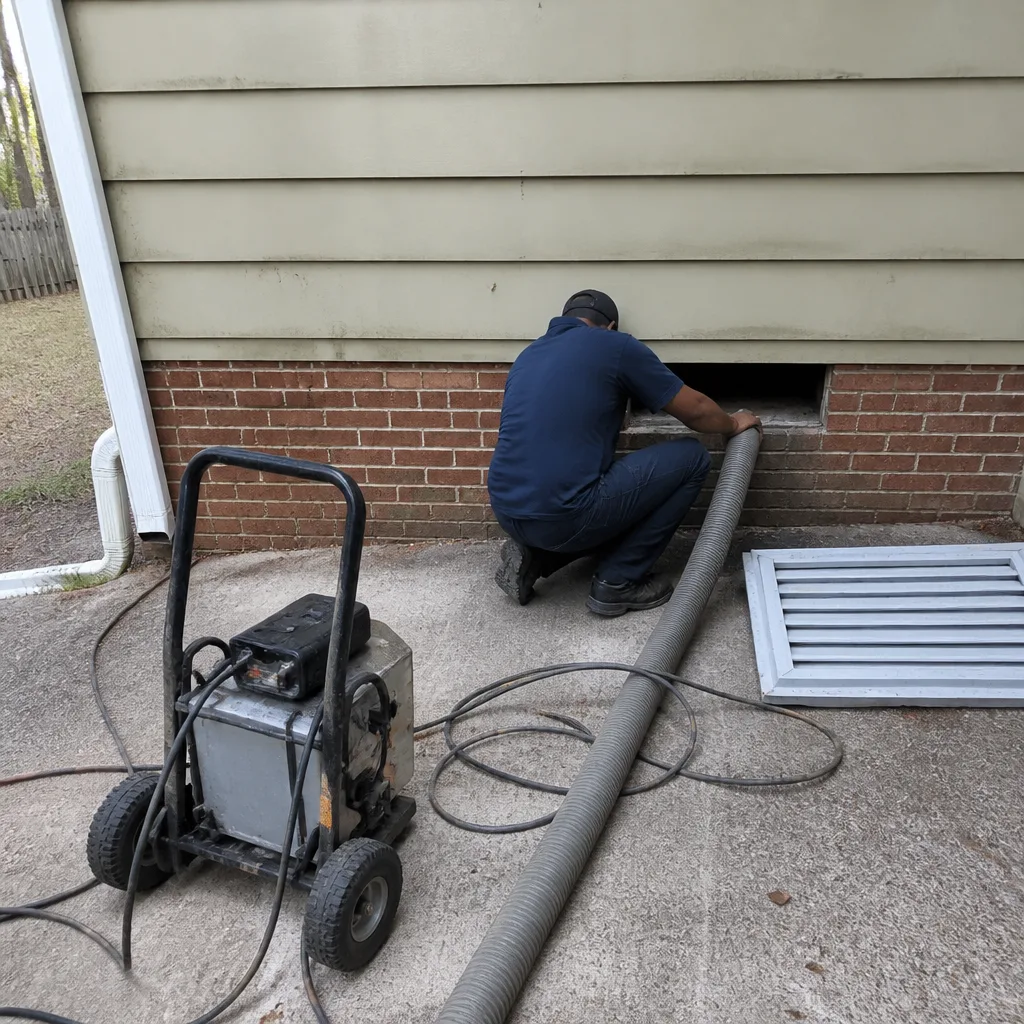 Before
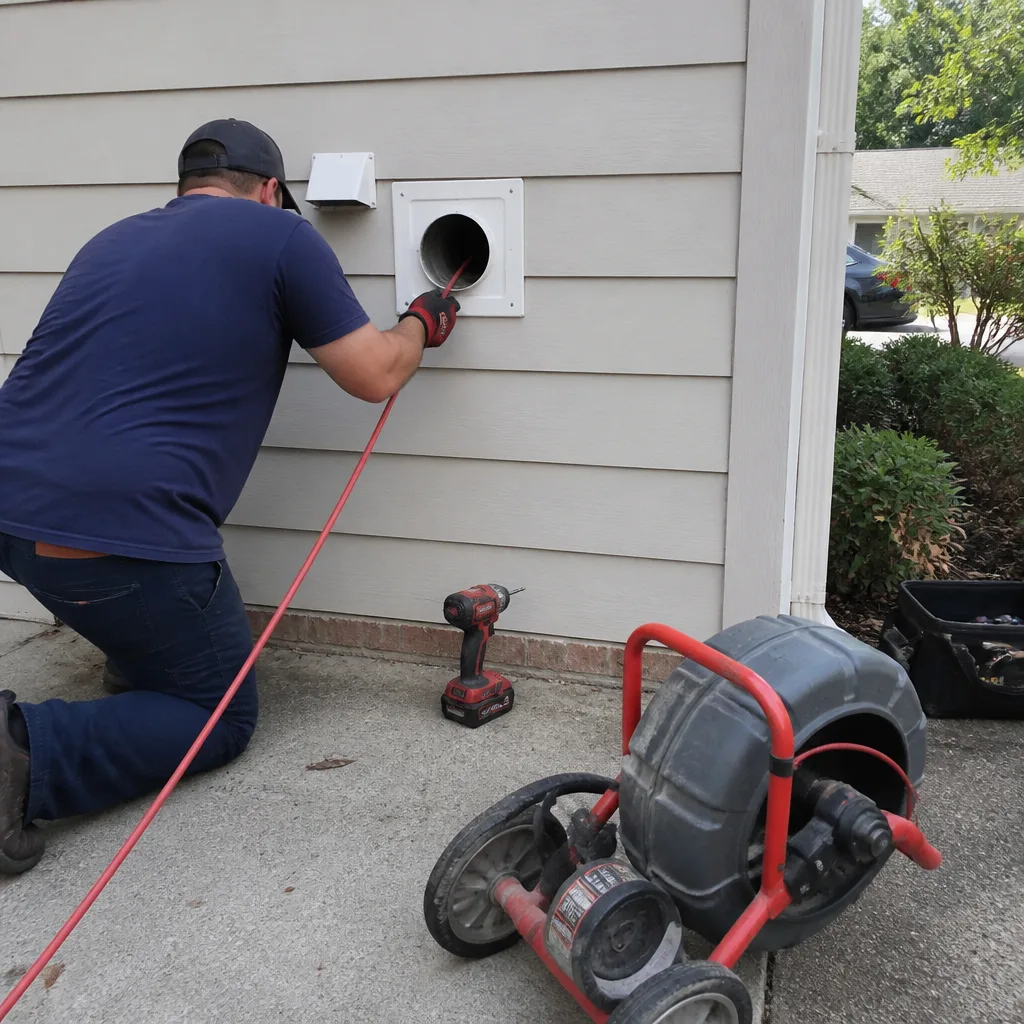 After
After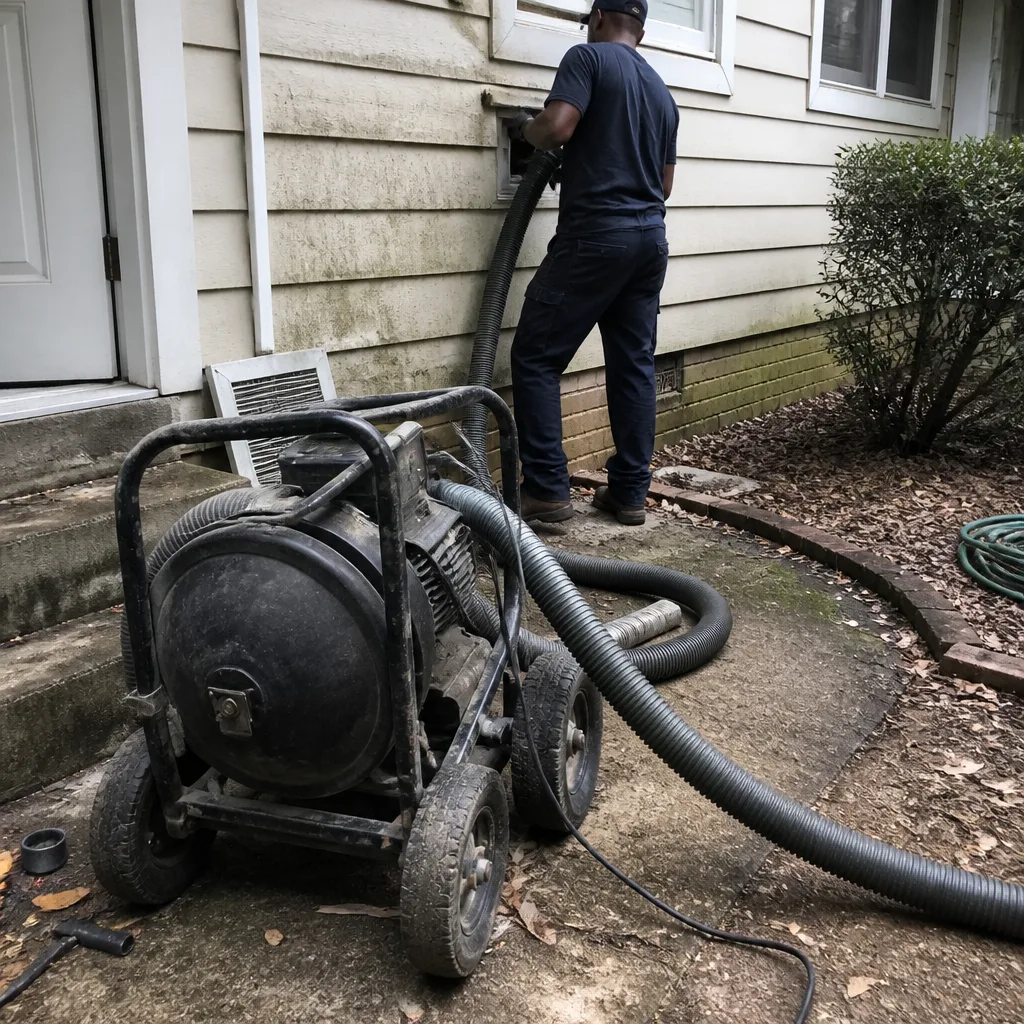 Before
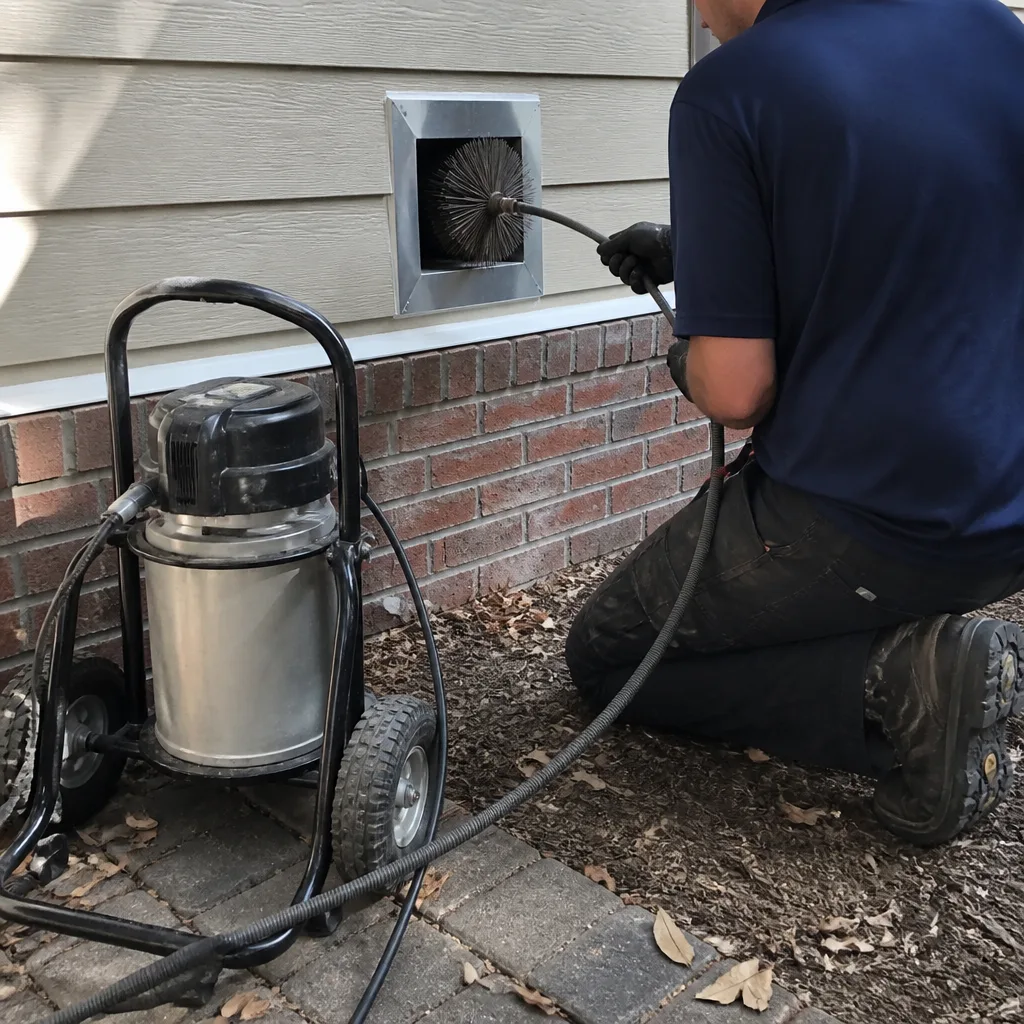 After
AfterRotobrush Register & Grille Cleaning: The Atlanta Owner’s Guide
Rotobrush register and grille cleaning in Atlanta typically runs $249-$399 for a complete system service, and we stock the full range of Rotobrush-compatible brushes, whips, and vacuum attachments for same-day installation. Most owners realize their register cleaning heads are worn when the bristles no longer make full contact with duct walls or the vacuum pull drops noticeably at the grille face. In Atlanta’s pollen-heavy spring seasons, we’ve seen brushes that should last 18 months wear flat in 10 because the fine yellow coating acts like sandpaper against nylon bristles.
Which Rotobrush Models This Applies To
Rotobrush builds its register and grille cleaning tools around two platform generations: the legacy Classic and Classic II systems (2006-2018) and the current BrushBeast and BrushBeast II line (2019-present). The Classic series uses a 1.5-inch keyed shaft with clockwise-lock brush heads; the BrushBeast shifted to a 2-inch quick-twist collar. If you’re holding a worn brush head, check the shaft diameter with a tape measure before ordering - a Classic head will seat on a BrushBeast shaft but won’t lock, and it’ll walk off mid-run.
We carry both OEM Rotobrush replacement heads and aftermarket equivalents from Nikro and Abatement Technologies. The OEM heads run softer nylon, which is what you want for painted or older galvanized ductwork common in 1960s Atlanta ranch homes near Cascade Heights. The aftermarket polypropylene heads cut harder and last longer, but they’ll score aluminum flex duct if the operator pushes too fast. CleanRun Air Duct Cleaning Atlanta is an independent service provider, not affiliated with Rotobrush.
Model numbers to check: Classic II uses RB-150 series heads; BrushBeast uses BB-200 series. The grille-specific whip attachments (for louvered returns) are cross-compatible within each generation.
Signs Your Rotobrush Register & Grille Cleaning Is Failing
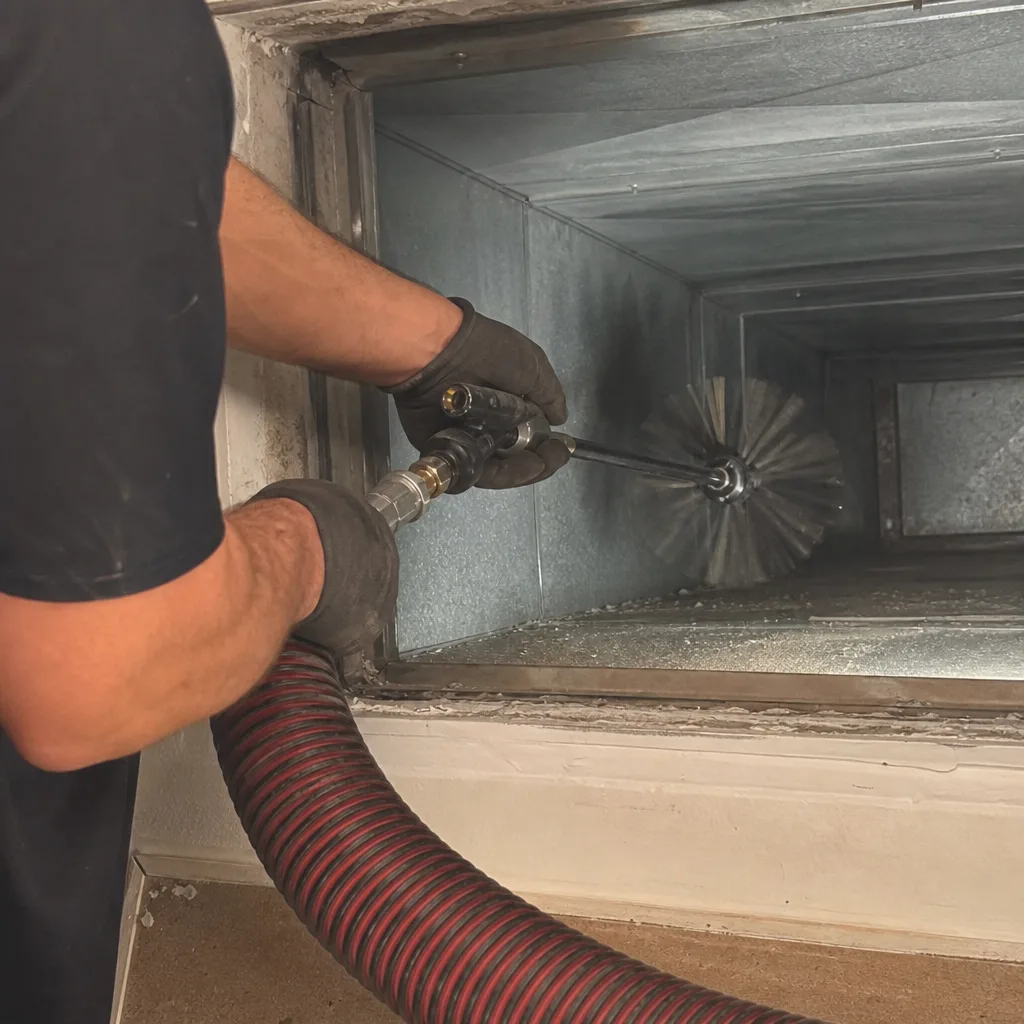
- Uneven bristle wear across the head. The brush should spin true; if one side is flattened and the other still full, the shaft bearing is likely out of spec, letting the head wobble. We see this most often on units that sat in hot Atlanta garages through summer - the nylon sets in a lopsided shape and never recovers.
- Reduced debris capture at the grille face. When the vacuum cuff or hose adapter cracks (usually at the stress ring), negative pressure drops before air ever reaches the brush. The machine sounds the same, but the collection bag stays light. Check the cuff for hairline cracks under flexing.
- Brush head detaches mid-run. Either the lock collar is worn or you’re running a Classic head on a BrushBeast shaft. The head drops into the duct run, and retrieval means cutting access. We’ve fished dozens out of long flex runs in Buckhead townhomes.
- Excessive vibration at the handle. The flexible drive cable inside the wand develops flat spots after enough hours. It still turns, but it chatters against the wand wall. The cable is replaceable separately - no need to buy a full wand assembly if the outer tube is straight.
- Motor overload trips on startup. A brush head that’s too large for the duct diameter (4-inch head in a 5-inch oval flex run, for instance) stalls against the wall and spikes amperage. Rotobrush motors have thermal protection, but repeated trips mean the wrong head size or a cable binding somewhere in the wand.
BeforeAfterReplacement Cost & What’s Included
For Atlanta homeowners, register and grille cleaning service with Rotobrush-compatible equipment runs $249-$399 depending on system size - a single-zone heat pump with 8-10 registers sits at the low end, a three-zone system with 20+ supply and return points moves toward the top. That price includes the written scope delivered before work starts, under Haven Standard Clause 1, and covers all brush heads, whip attachments, and vacuum cuffs used on the job.
Parts-only pricing if you’re self-servicing: OEM Rotobrush brush heads run $45-$75, aftermarket equivalents $28-$50. Whip assemblies for grille work are $60-$90. We don’t sell parts without installation - our stock is sized for field replacement, not retail shelf - but we’ll quote the full installed price in writing before any work begins. Every job carries the 365-Day Done Right Promise, and the photo record of every duct run is included as standard.
DIY or Call Us?
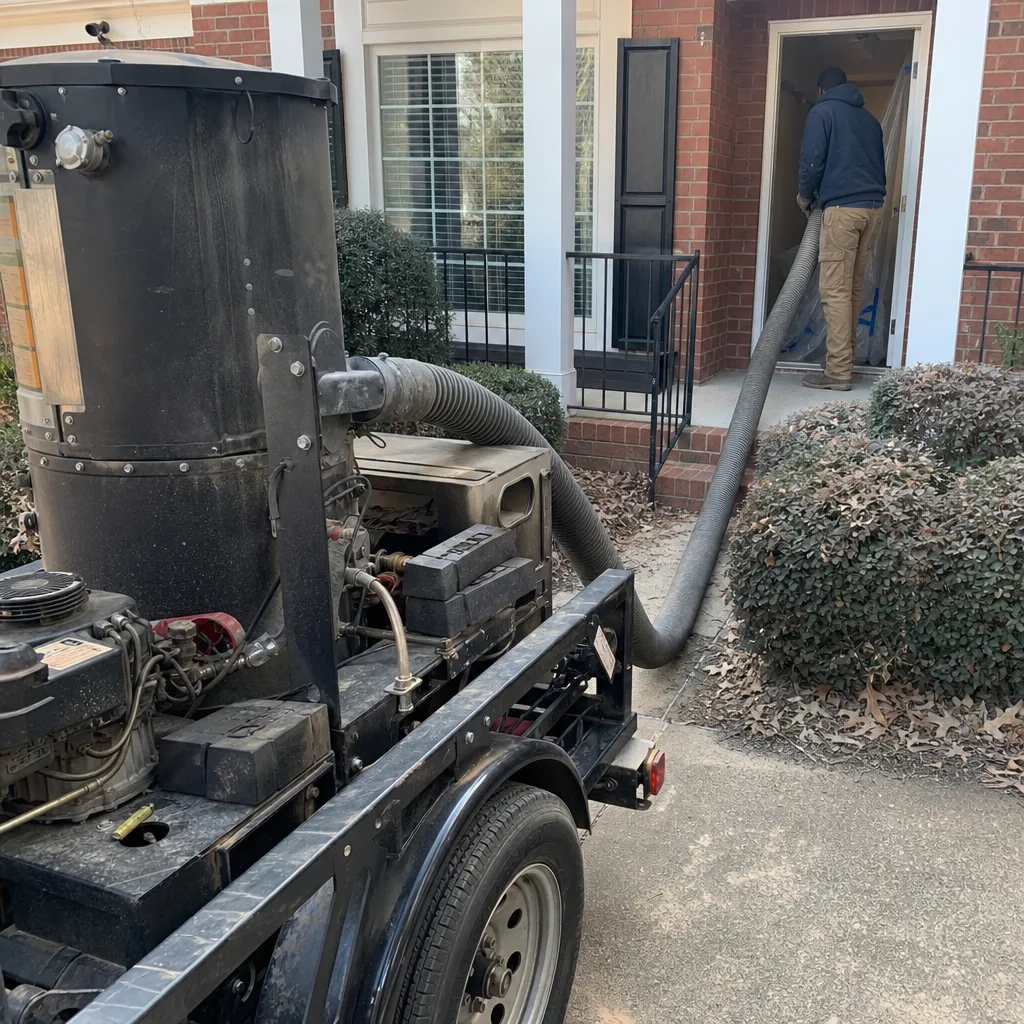
What you can safely check: brush head lock, hose cuff integrity, and whether the right head size is matched to your duct dimensions. These are visual inspections, no tools beyond a flashlight. What goes wrong fast: running a mismatched head, forcing a stuck cable, or reaching into a live duct run without verifying the HVAC system is off and locked out. The Rotobrush itself is low-voltage at the handle, but the ductwork connects to electrical components and moving blower assemblies.
If the brush head dropped into a duct run, stop. Retrieval from flex duct without tearing the liner requires a borescope and a retrieval hook - tools we carry standard. Call (470) 495-9370 and we’ll quote the retrieval and full register service in writing before dispatch.
FAQs
How long does a Rotobrush register cleaning head last in Atlanta?
In Atlanta’s climate, expect 12-18 months of regular residential use, or roughly 150-200 duct runs. The spring pollen season and longer cooling season mean heads work harder here than in drier northern markets. We inspect brush density as part of every service and replace before the bristles drop below manufacturer spec. Call (470) 495-9370 for an exact quote on your system - estimates are free.
Can a worn brush head be repaired instead of replaced?
No. Once nylon bristles are worn past their designed length or heat-set into a curved shape, the cleaning profile is permanently compromised. Re-trimming leaves uneven bristle height and poor wall contact. We replace the head and keep the old one for comparison in the photo record. Call (470) 495-9370 for an exact quote - estimates are free.
How long does a full register and grille cleaning take?
A typical Atlanta home with 10-14 registers takes 2.5-4 hours, including setup, the full brush-and-vacuum pass, and the documented photo record of every run. Older homes with original metal ductwork near Grant Park or Virginia-Highland sometimes run longer because the registers are painted shut and need careful freeing. Call (470) 495-9370 for an exact quote - estimates are free.
Do you stock Rotobrush parts on the truck?
Yes. We carry Classic and BrushBeast series brush heads, whip assemblies, hose cuffs, and drive cables on every service vehicle. If your system uses a discontinued part or a less common size, we can source it within 24 hours through our Nikro and Abatement Technologies supply chain. The camera doesn’t negotiate - we show you what we found and what we’re installing before any work starts. Call (470) 495-9370 for an exact quote - estimates are free.
Ready to get your registers and grilles cleaned right? Call CleanRun Air Duct Cleaning Atlanta at (470) 495-9370 for a free, written estimate. Every quote includes a flat price before work starts, background-checked uniformed technicians operating under Haven Standard Clause 3: Verified Crews, and a complete documented photo record of every duct run when we leave.
Written by Tomas Reyes, Owner, CleanRun Air Duct Cleaning Atlanta at CleanRun Air Duct Cleaning Atlanta, serving Atlanta and nearby areas.