
Whole-system duct and dryer vent check with before-and-after photos - you see exactly what came out of your vents
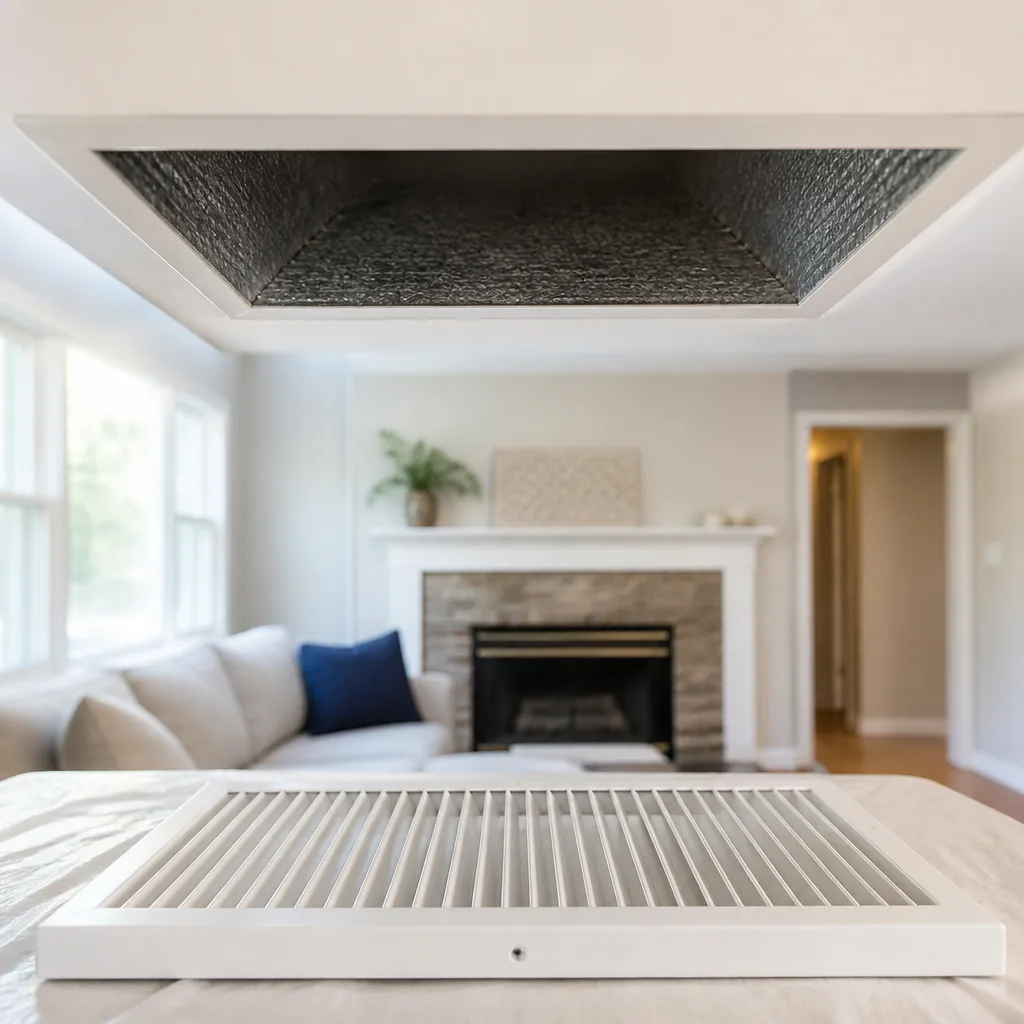
That "$99 whole-house special" is a bait ad - the real number appears once they are in your hallway, or the "clean" is a shop-vac at the register. We photograph the inside of your ducts before and after instead.
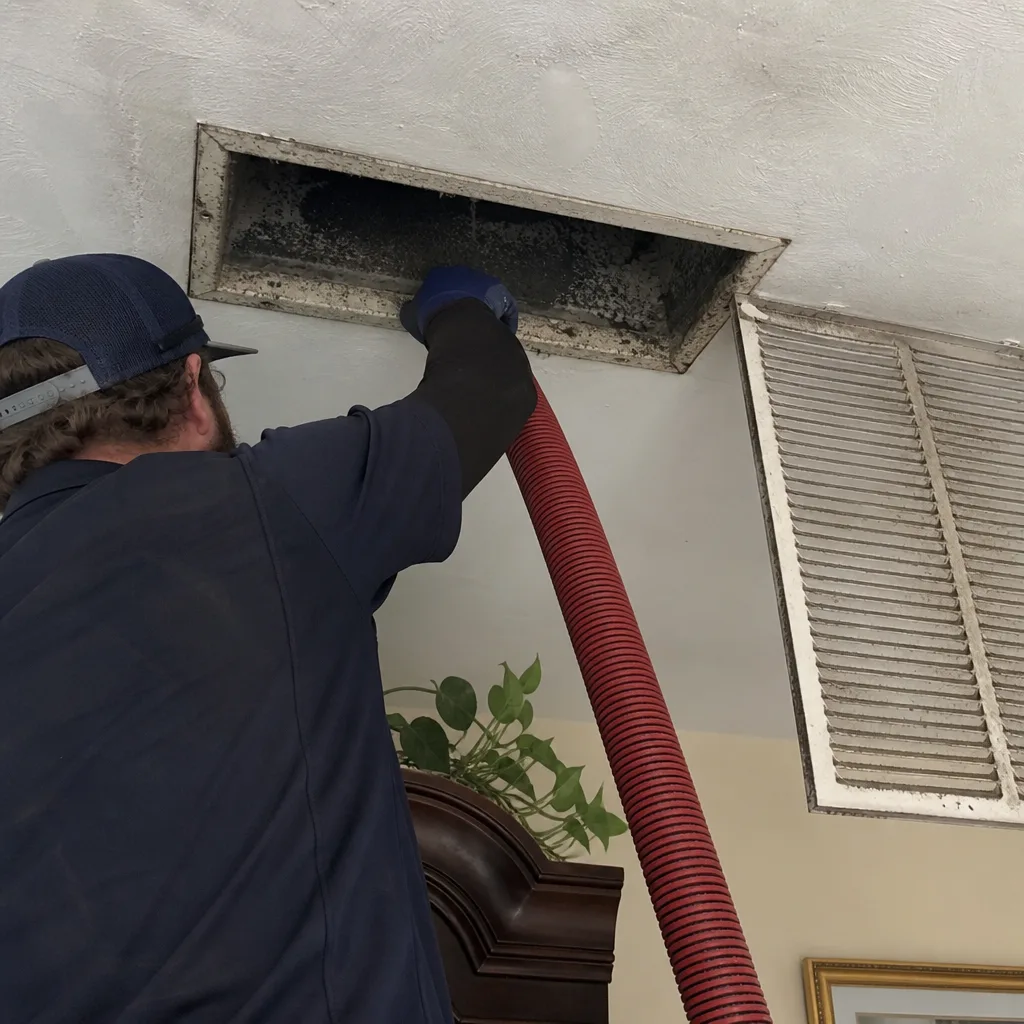 Before
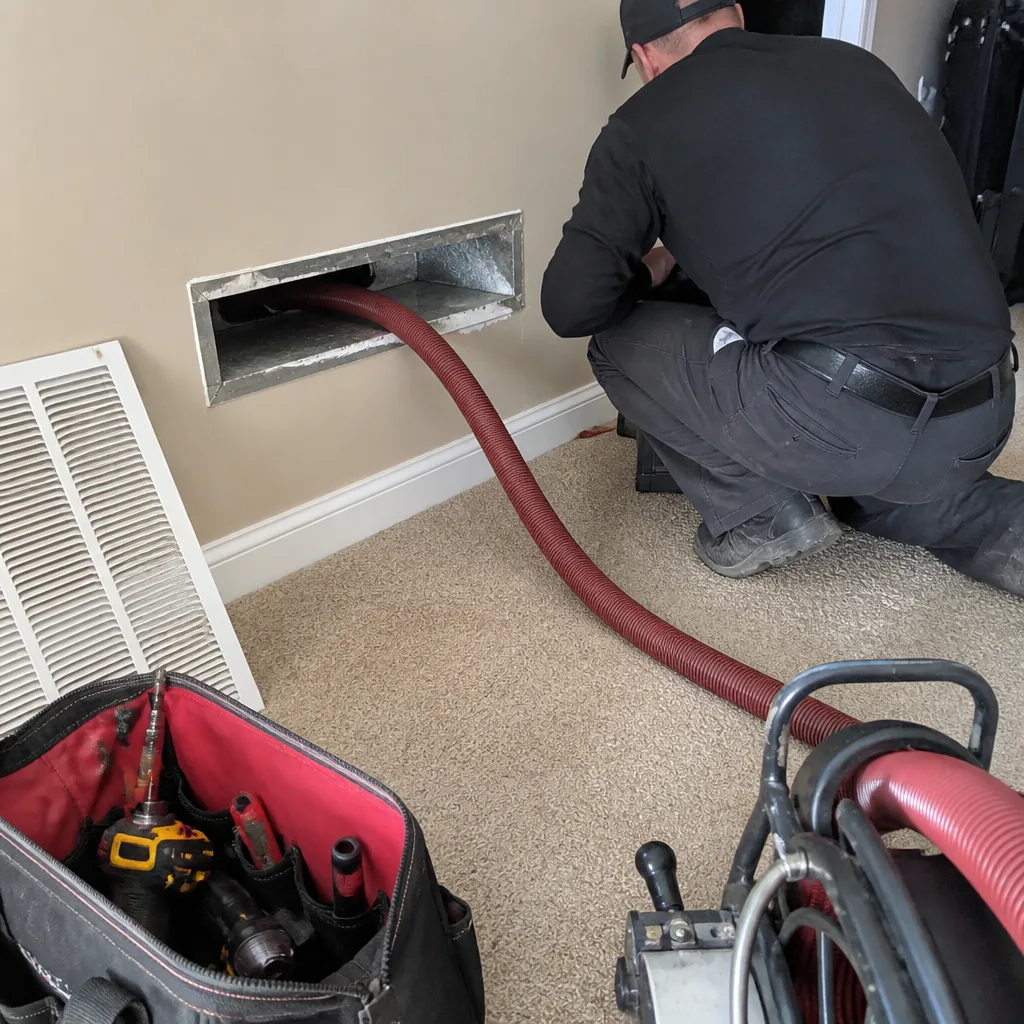 After
After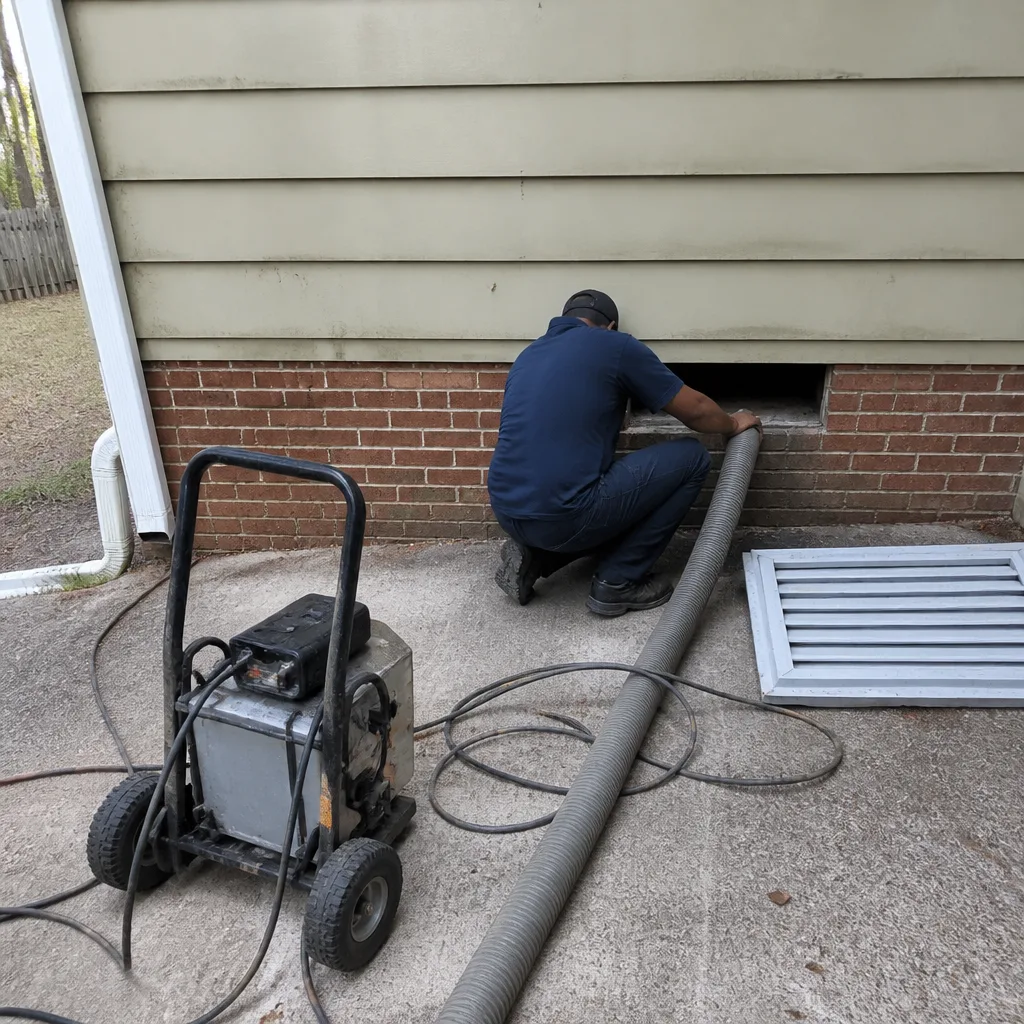 Before
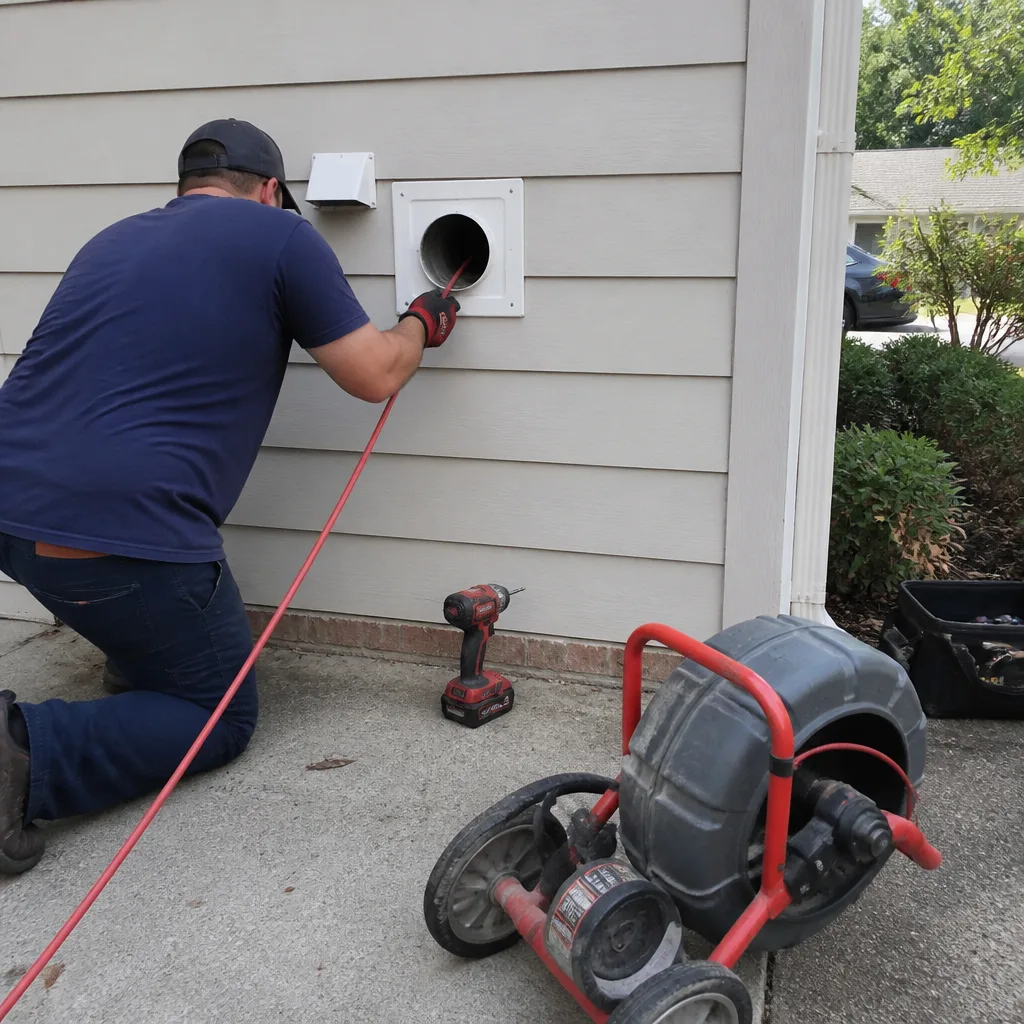 After
After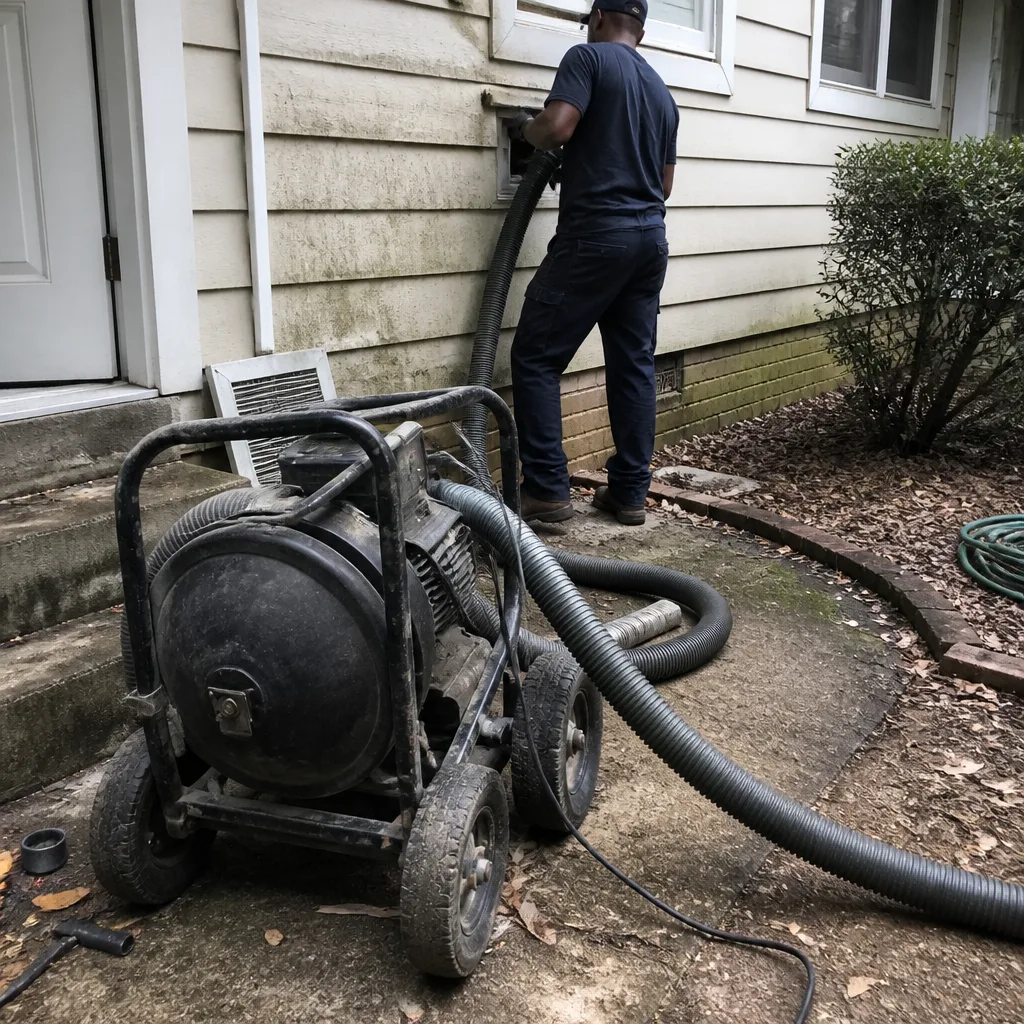 Before
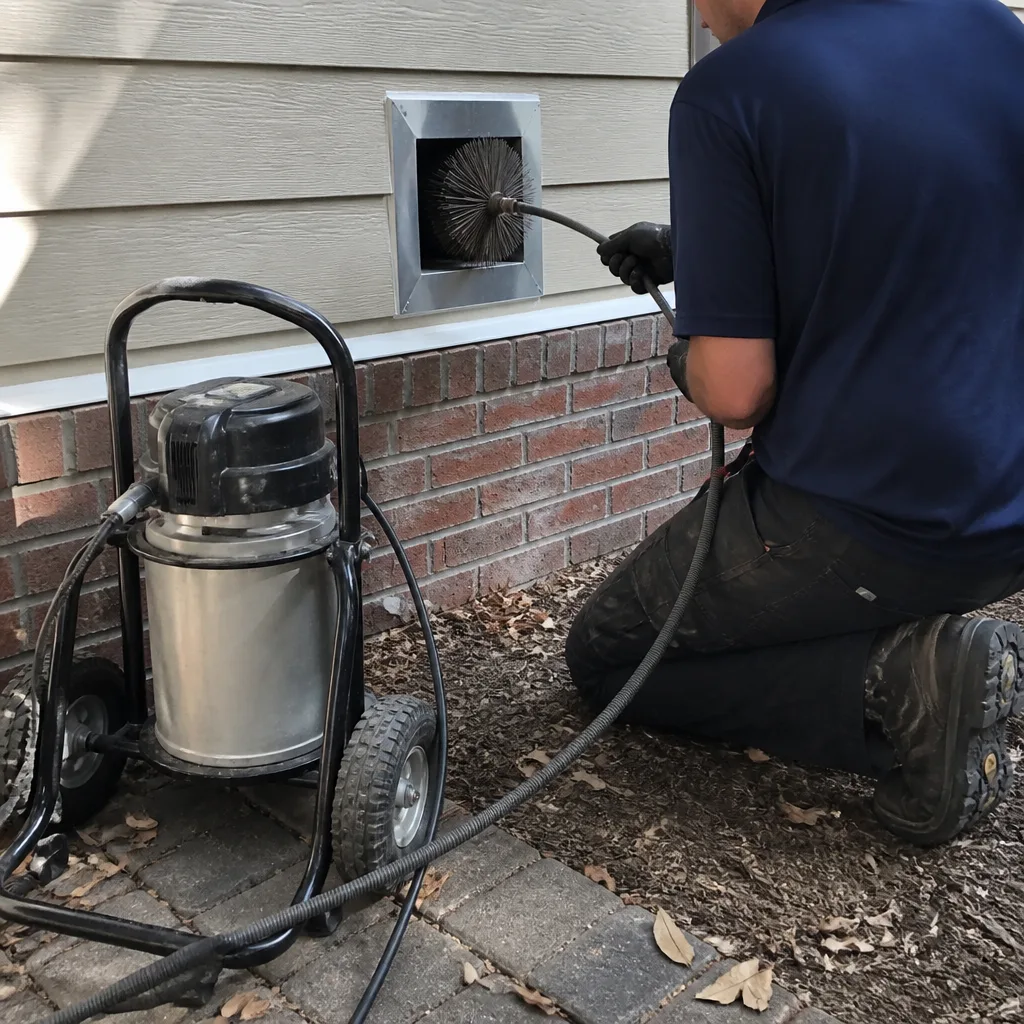 After
AfterNikro Dryer Vent Cleaning in Atlanta: What to Know First
CleanRun provides independent Nikro dryer vent cleaning in Atlanta, typically completed in 90 minutes to 2 hours with a written flat price of $249-$399 agreed before any work starts. We are not affiliated with or authorized by Nikro; we service their equipment as an independent Nikro service provider using documented protocols and trade-grade tools. This page is for Atlanta homeowners who own Nikro dryer vent products and want to know what actually fails, what it costs to fix properly, and how to verify the work was done. Call (470) 495-9370 for a free written estimate.
How Nikro Products Fail - and How We Fix Them
- Nikro SL400 and SL800 Series Lint Trap Assemblies: The SL400 and SL800 commercial-grade lint traps use a two-stage stainless mesh that compresses over time, especially in Atlanta’s humid summers when lint absorbs ambient moisture and hardens against the screen. We see this in Buckhead basements and Decatur laundry closets where the trap sits below grade. Our fix: remove the assembly, measure mesh integrity with a borescope, and replace with OEM Nikro mesh or a compatible 304-grade equivalent that maintains the rated 1,200 CFM airflow spec. The camera doesn’t negotiate - we photograph the compressed mesh before quoting replacement.
- Nikro PV210 and PV220 Inline Booster Fans: These inline fans fail when lint bypasses the primary trap and cakes the impeller blades, a problem amplified in Atlanta’s pollen-heavy spring when organic debris binds with lint into a clay-like buildup. The PV210’s sealed motor housing can overheat and trip the thermal cutoff. We dismount the fan, clean the impeller with a soft-bristle rotary tool, test amp draw against Nikro’s 2.1A spec, and replace only if the motor windings show discoloration. Most PV220 units survive cleaning; we quote replacement only when the bearing housing shows play.
- Nikro Flex Duct Adapters (All Residential Lines): The injection-molded polypropylene adapters connecting Nikro flex duct to rigid wall terminations fatigue from Atlanta’s temperature swings - 95°F attic summers to 40°F winter nights. Stress cracks form at the collar seam, leaking lint into wall cavities. We find this regularly in 1960s-era homes near Cascade Heights where the original installation used Nikro’s 4-inch standard adapter in a 6-inch chase. Our repair: remove the compromised adapter, inspect the rigid duct termination for corrosion, and install a fire-rated aluminum transition with a mechanical clamp - not tape - per Haven Standard Clause 4: Documented Assembly.
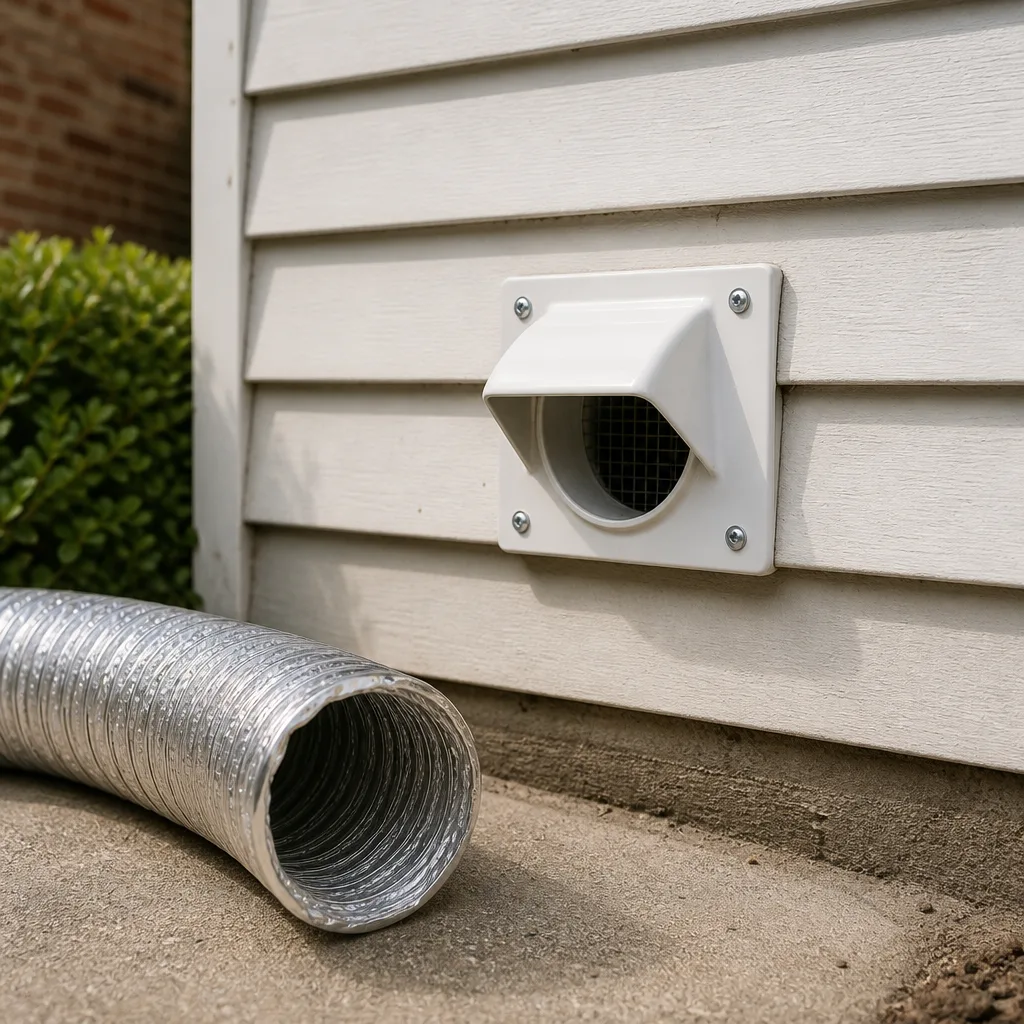
- Nikro Bird Guard and Termination Caps: The stamped-steel bird guards on Nikro’s WG-series wall terminations corrode from the inside out when lint holds moisture against the metal. In Atlanta’s clay-soil neighborhoods like Virginia-Highland, ground moisture wicks into exterior walls and accelerates this. The WG-4 and WG-6 guards lose their 1/4-inch mesh integrity, allowing bird nesting that blocks airflow and creates a legitimate fire hazard. We replace with a galvanized or powder-coated guard, never reusing a corroded unit, and photograph the interior duct footageto confirm no nesting material remains upstream.
- Nikro Vacuum Collection Hoses (Auxiliary Duct Cleaning Systems): Homeowners with Nikro’s HV-series vacuum systems - sometimes retrofitted into whole-house duct setups - experience collapses in the 2.5-inch collection hose where it routes through tight attic spaces. Atlanta’s attic temperatures exceed 140°F in July, softening the hose compound and causing kinks that reduce suction at the dryer vent tap. We reroute with a rigidized flex section or relocate the tap point to a straighter run, documenting the static pressure reading before and after. This is not a dryer vent repair per se, but it directly affects dryer vent cleaning effectiveness when the Nikro system serves both functions.
Our Nikro Dryer Vent Cleaning Process
- 1
Written price delivered on arrival. Tomas Reyes or a uniformed, background-checked technician (Haven Standard Clause 3: Verified Crews) arrives, identifies by name, and provides a flat written price before touching equipment. No exceptions.
- 2
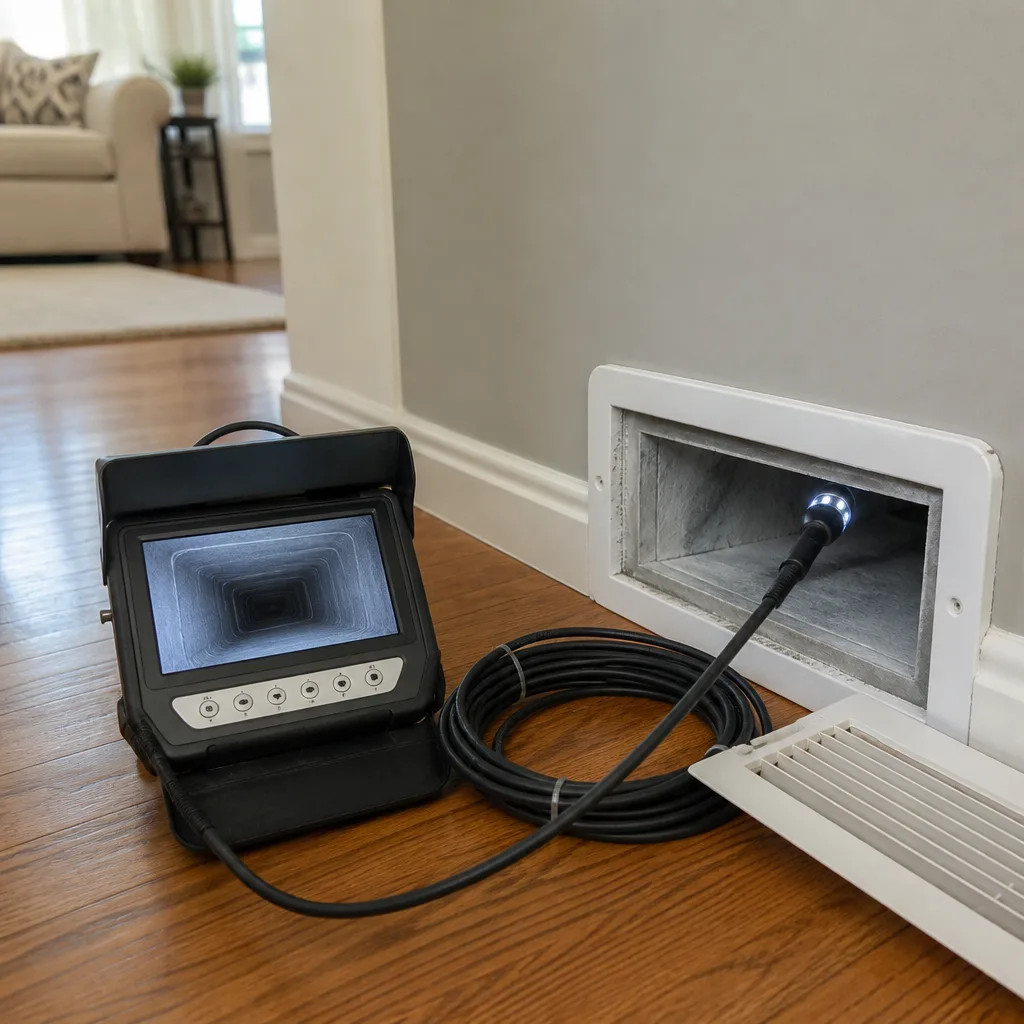
Pre-cleaning documentation. We run a borescope through the full vent run - from dryer connection to exterior termination - photographing lint buildup, corrosion, and any mechanical damage. The customer sees these images before work proceeds.
- 3
Disassembly and parts assessment. Nikro-specific components (lint traps, inline fans, termination hardware) are evaluated for OEM-versus-quality-aftermarket replacement. We stock common Nikro wear items; non-standard parts are sourced with customer approval and a written lead time.
- 4
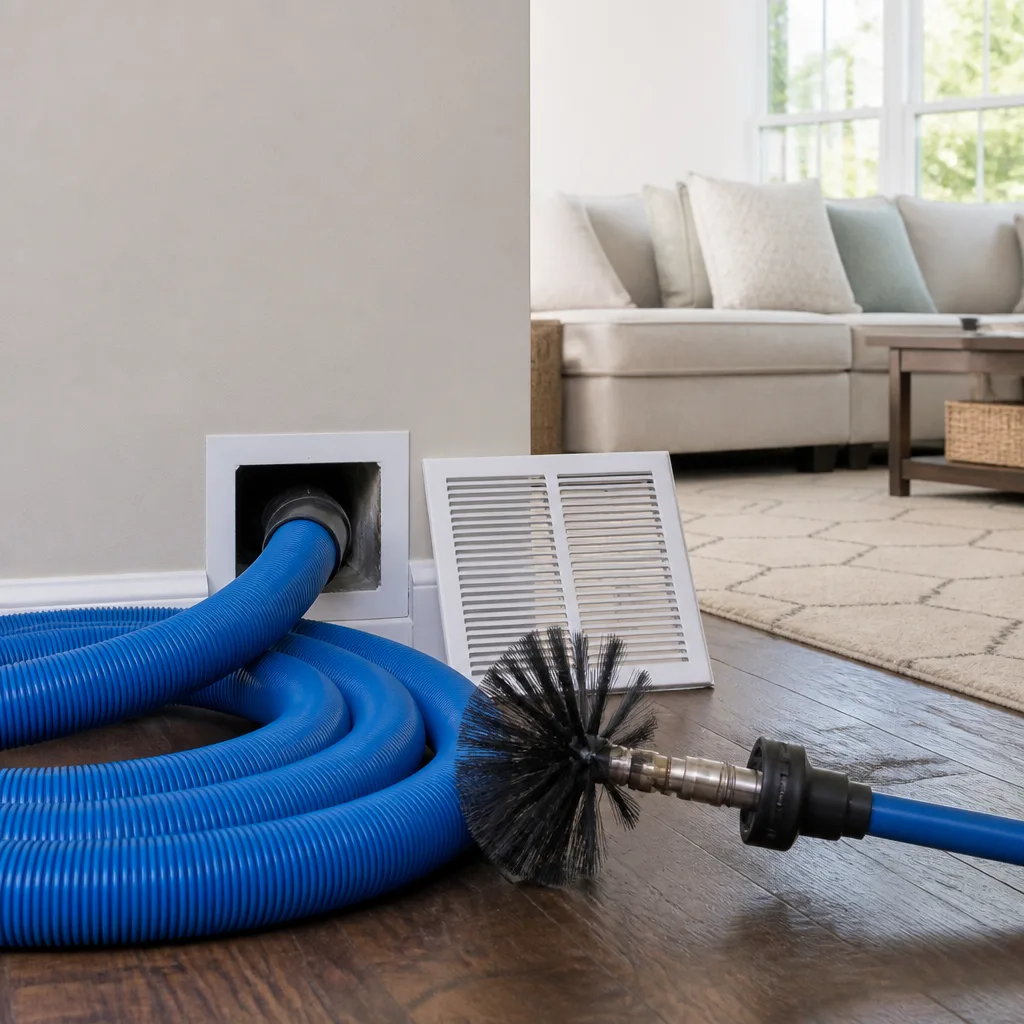
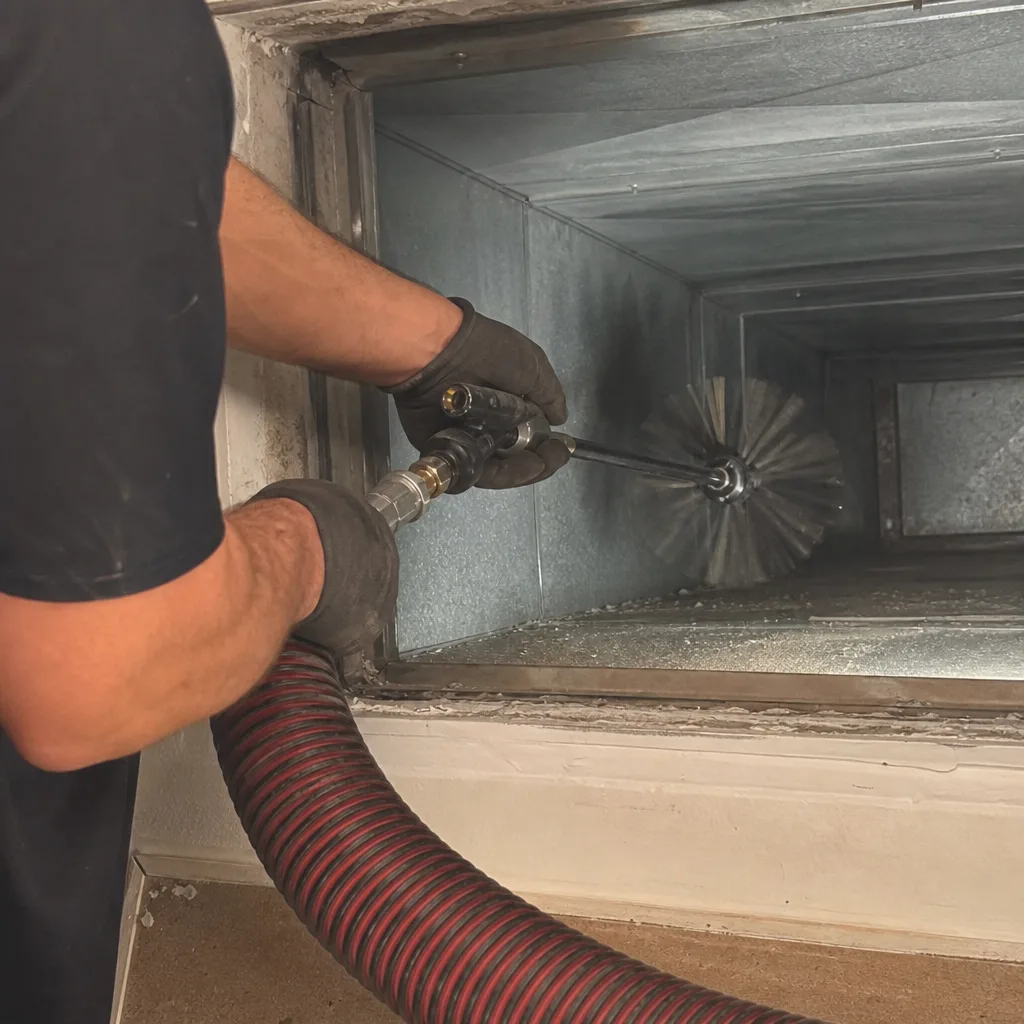
Negative-pressure extraction and mechanical cleaning. Lint is removed using a Nikro-compatible rotary brush and high-CFM vacuum, not a shop vac. The plenum (the connection box behind the dryer) is brushed and vacuumed separately. Static pressure is measured post-cleaning against the dryer manufacturer’s spec.
- 5
Reassembly, test, and final documentation. All connections are clamped or screwed - no tape as a primary fastener. We run the dryer on air-only cycle and verify exterior airflow with an anemometer. Before-and-after photos, the written scope, and the 365-Day Done Right Promise are delivered as a standard job record.
- 6
Cleanup and walkthrough. The work area is restored, the technician explains what was found and what was done, and the customer receives the documented photo record before the truck leaves.
BeforeAfterWhat Nikro Dryer Vent Cleaning Costs in Atlanta
| Service | Typical Range | What Moves the Price |
|---|---|---|
| Standard Nikro dryer vent cleaning (single-family, accessible termination) | $249-$299 | Linear feet of duct, number of elbows, attic or crawlspace access |
| Nikro vent with inline booster fan (PV210/PV220) service | $299-$349 | Fan removal/reinstallation, electrical testing, parts if needed |
| Nikro lint trap assembly replacement (SL400/SL800) | $329-$399 | OEM versus aftermarket mesh, chase accessibility |
| Nikro vent rerouting or termination replacement | $349-$399 | Wall penetration work, fire-rated materials, bird guard upgrade |
Every price is flat per system, agreed in writing before work starts, under Haven Standard Clause 1. No per-vent pricing. No add-ons discovered mid-job. Free estimates are available at (470) 495-9370.
Why Atlanta Homeowners Call CleanRun Air Duct Cleaning Atlanta for Nikro Work
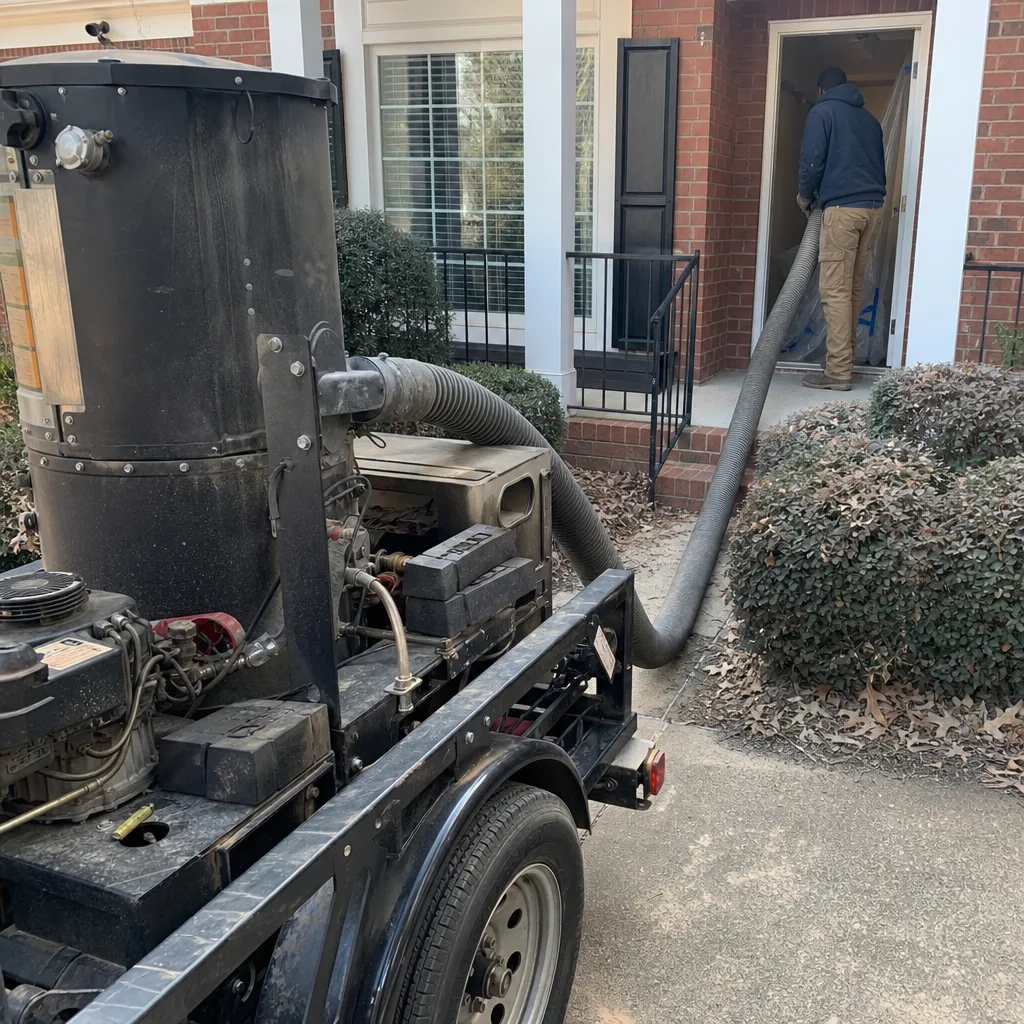
We’ve been running jobs across Atlanta since 2013, including plenty of older split-level homes near Cascade Heights where the flex duct runs long and the debris tells a clear story about how many filters got skipped. Our 365-Day Done Right Promise is backed in writing on every job, not stated in marketing copy and subject to manager approval. Technicians are background-checked, uniformed, and identified by name before arrival under Haven Standard Clause 3. We also service Lennox, Trane, and Carrier systems, so multi-brand households get consistent documentation standards across every piece of equipment. The photo record - inside every run, before and after - has been standard since our first job in 2013. Customers can verify our equipment roster independently: Rotobrush, Nikro, Abatement Technologies, Honeywell, Aprilaire, and Guardsman.
FAQs
No. Routine maintenance by an independent service provider does not void Nikro’s product warranty, provided no components are altered outside manufacturer specifications. We document our methods and parts used so warranty claims remain straightforward if a factory defect emerges later. Call (470) 495-9370 if you need a copy of our service documentation for a warranty filing.
We stock common Nikro wear items and source OEM when the customer requests it or when aftermarket equivalents do not meet the original specification. For the SL400 lint trap mesh, we use OEM Nikro or a 304-grade stainless equivalent with identical CFM ratings - the difference is disclosed in writing before installation. Call (470) 495-9370 to confirm parts availability for your specific model.
Every job concludes with a Documented Photo Record: borescope images of the full vent run before and after cleaning, delivered as part of the standard job record. You see what the camera saw. If the images don’t show clean metal ductwork, the job isn’t complete. The 365-Day Done Right Promise applies if anything looks different within a year.
Replace when the rigid duct shows corrosion penetration, when multiple adapters are cracked, or when the total repair quote exceeds 60% of a new installation. Repair when the failure is isolated to a cleanable component or single wear item. We provide both numbers in writing and let the customer decide. Call (470) 495-9370 for a free second opinion on any written estimate.
Every 12-18 months for typical Atlanta households, or every 6-12 months if you dry pet bedding, run multiple loads daily, or live in a pollen-heavy area like the Druid Hills corridor where organic debris accelerates buildup. The definitive check is a borescope inspection - we offer these as standalone services if you’re unsure. Call (470) 495-9370 to schedule.
Ready for a written estimate? Call CleanRun Air Duct Cleaning Atlanta at (470) 495-9370. A live person answers, 24/7. We’ll schedule a free estimate, deliver a flat price in writing before any work starts, and leave you with a documented photo record of every duct run we touch.
Written by Tomas Reyes, Owner, CleanRun Air Duct Cleaning Atlanta at CleanRun Air Duct Cleaning Atlanta, serving Atlanta and nearby areas.