
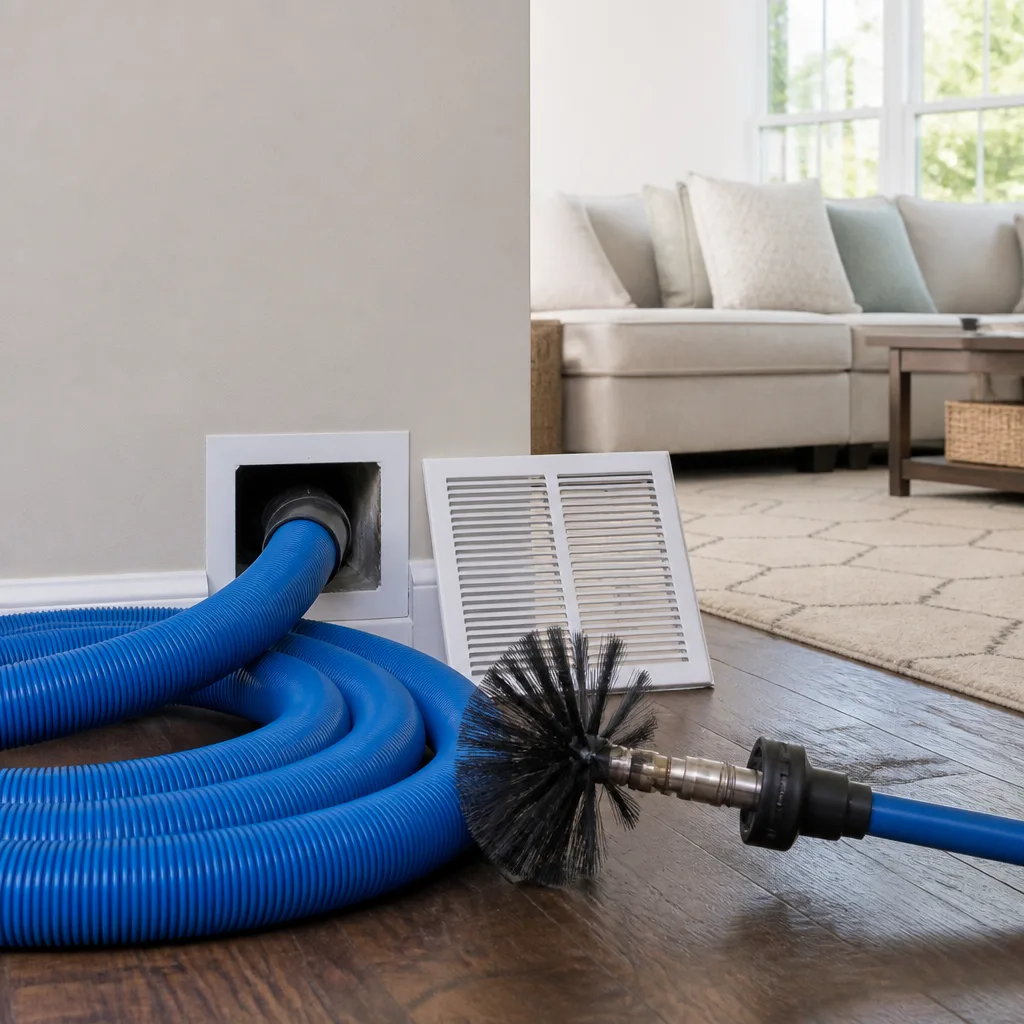
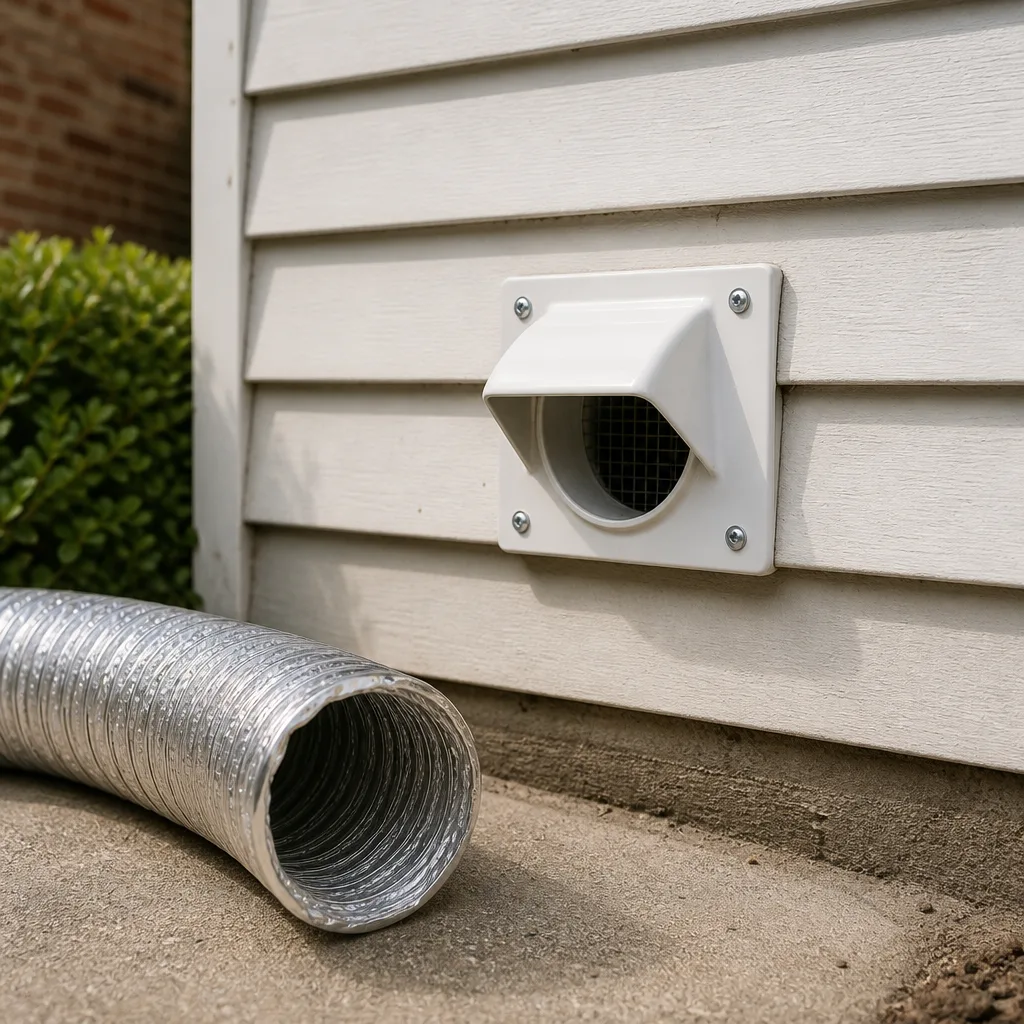
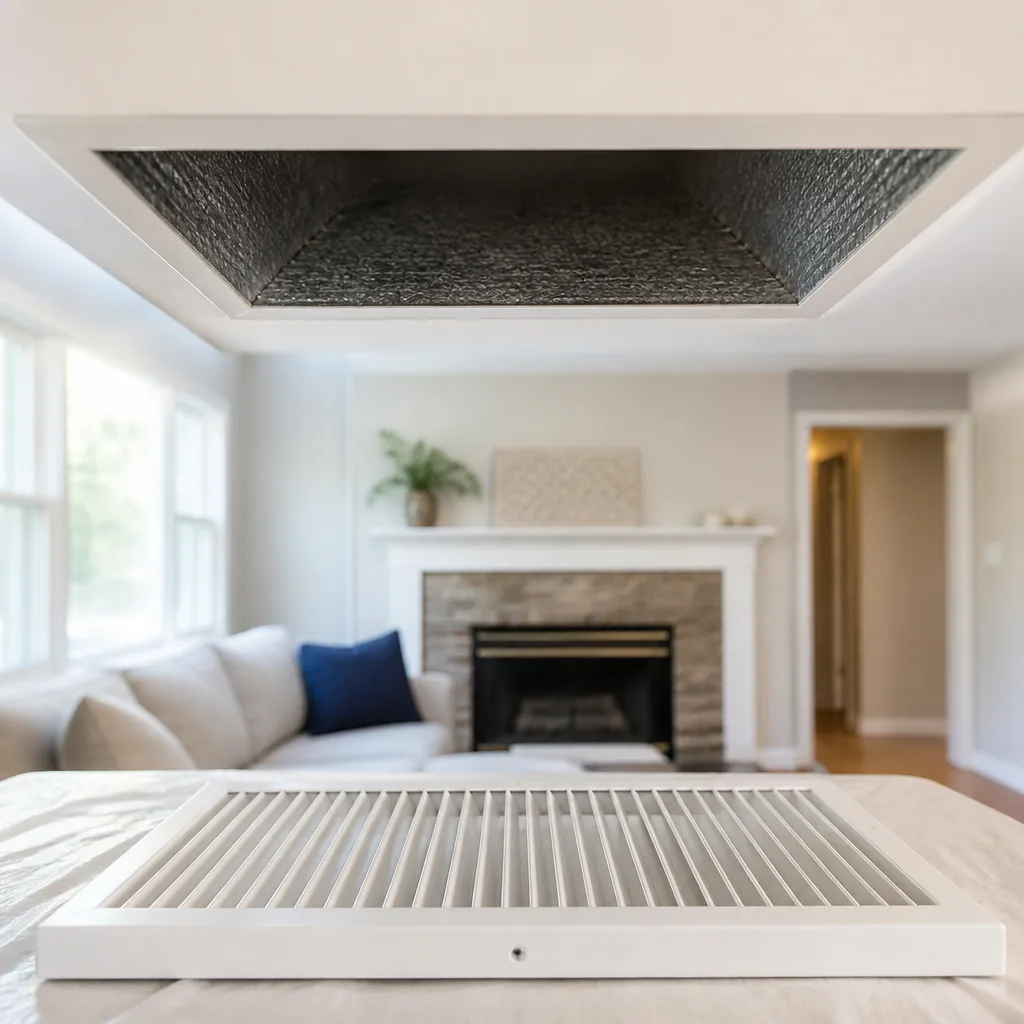
Whole-system duct and dryer vent check with before-and-after photos - you see exactly what came out of your vents
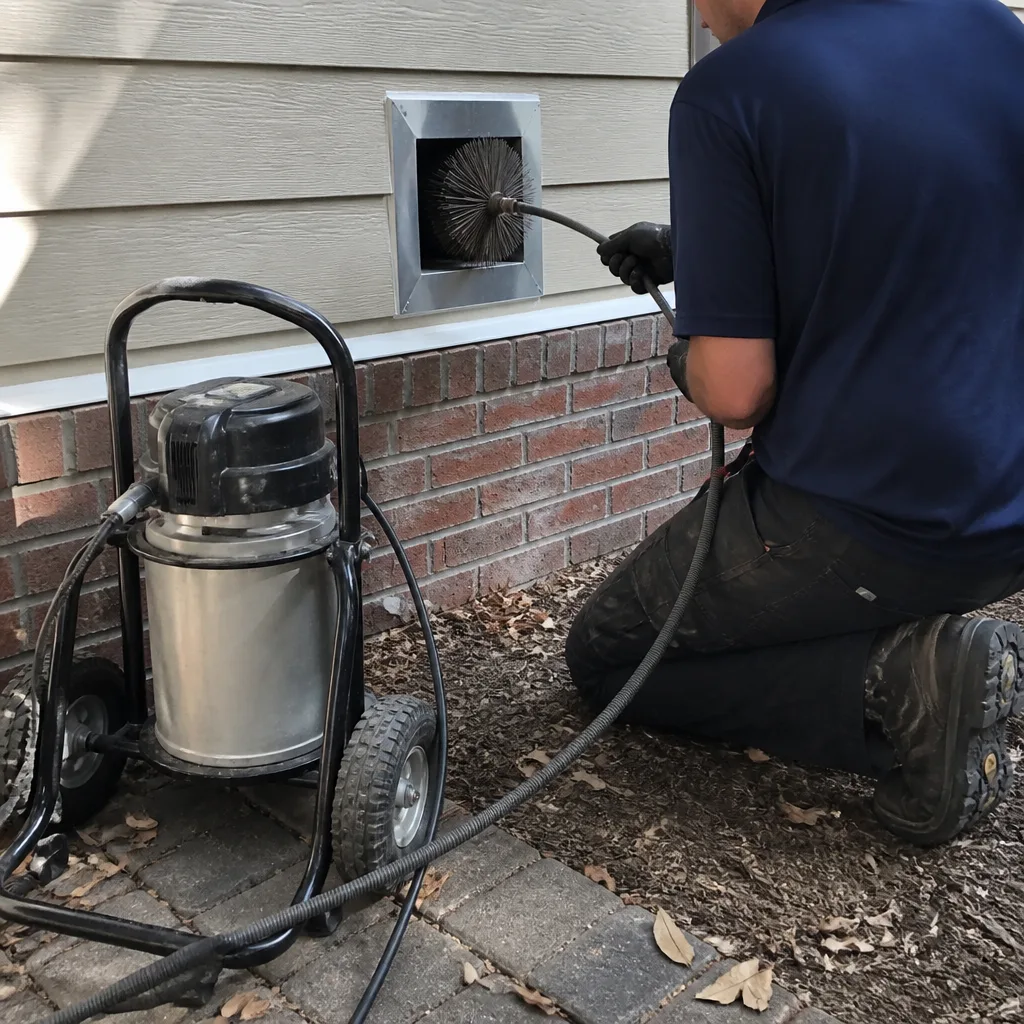
That "$99 whole-house special" is a bait ad - the real number appears once they are in your hallway, or the "clean" is a shop-vac at the register. We photograph the inside of your ducts before and after instead.
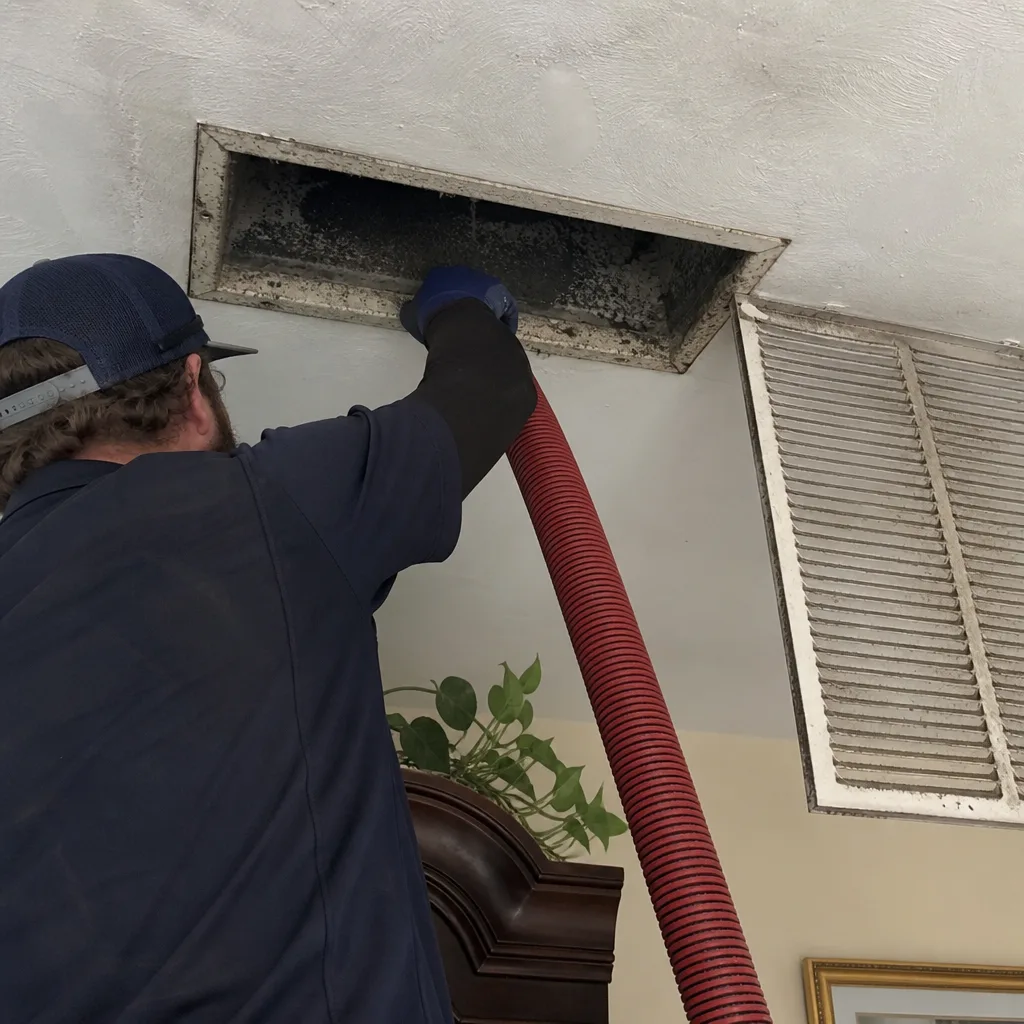 Before
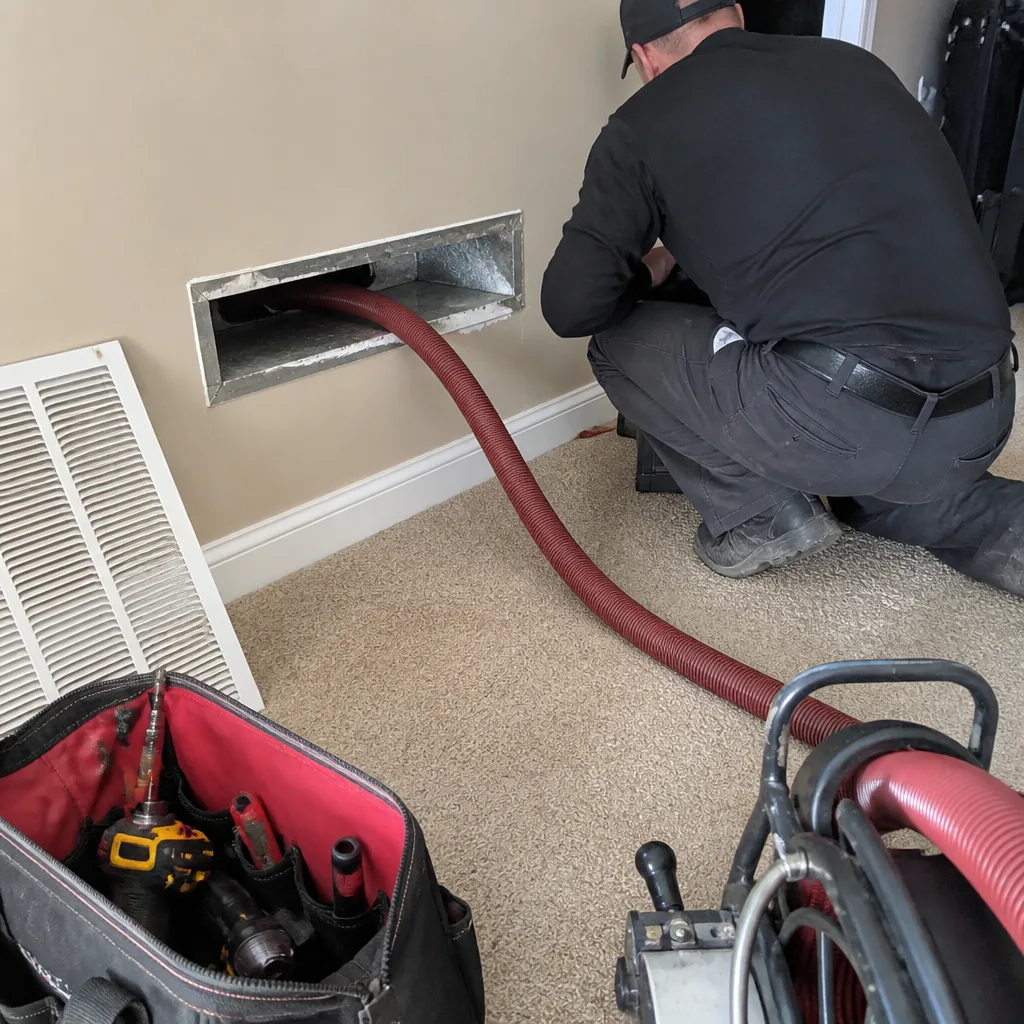 After
After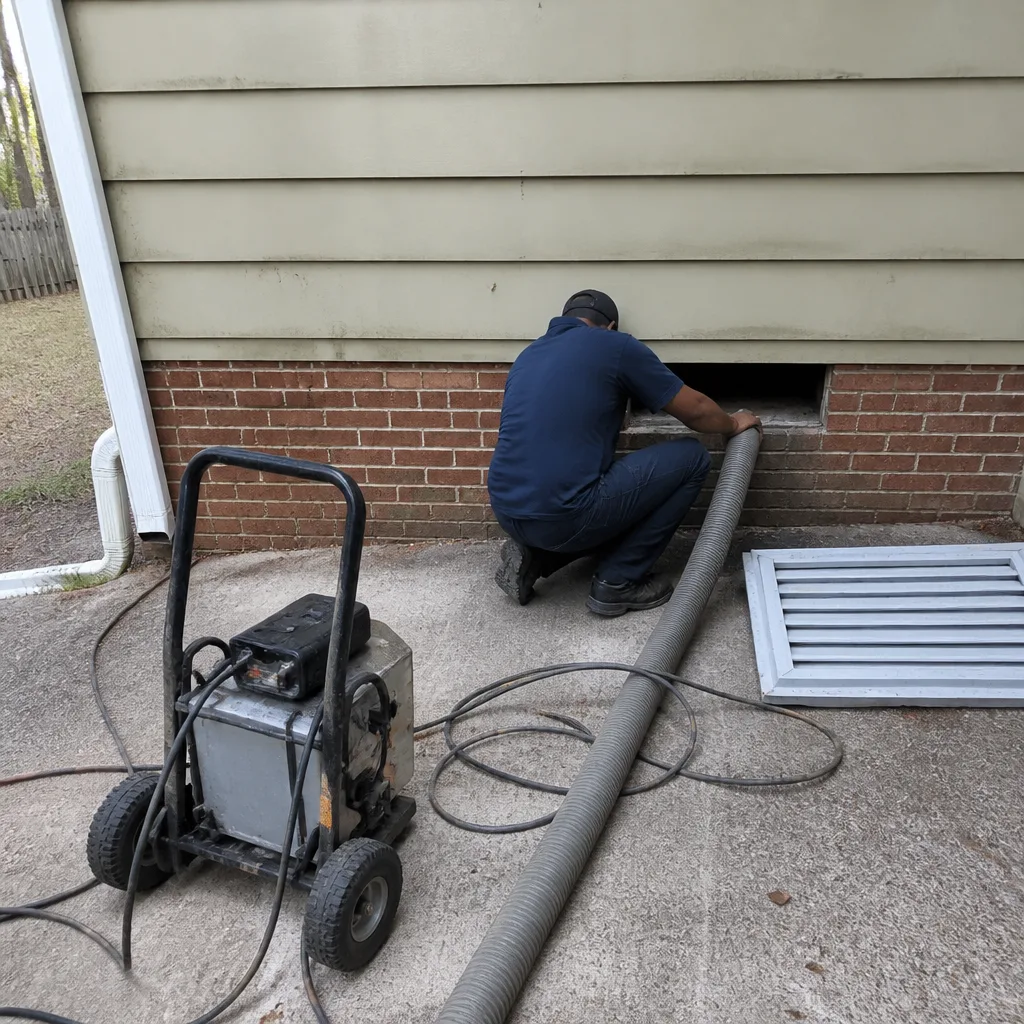 Before
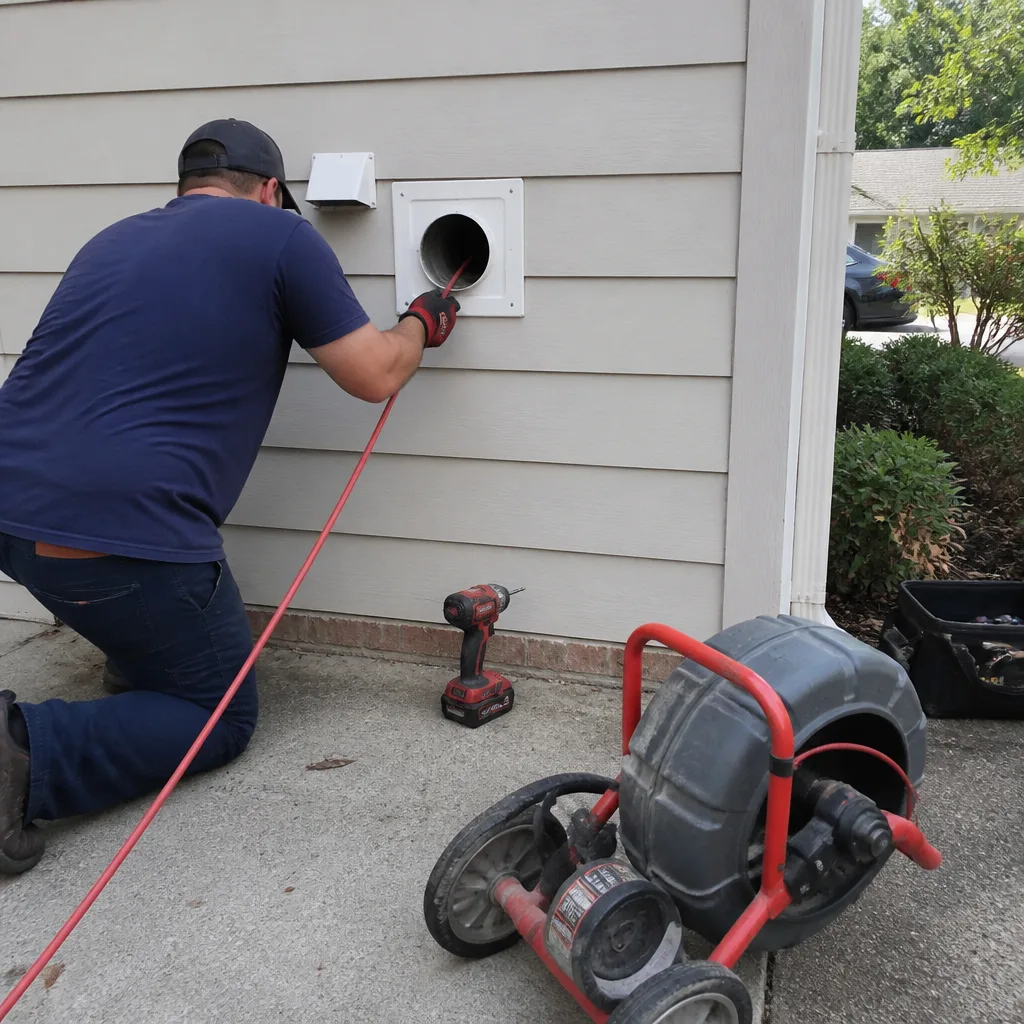 After
After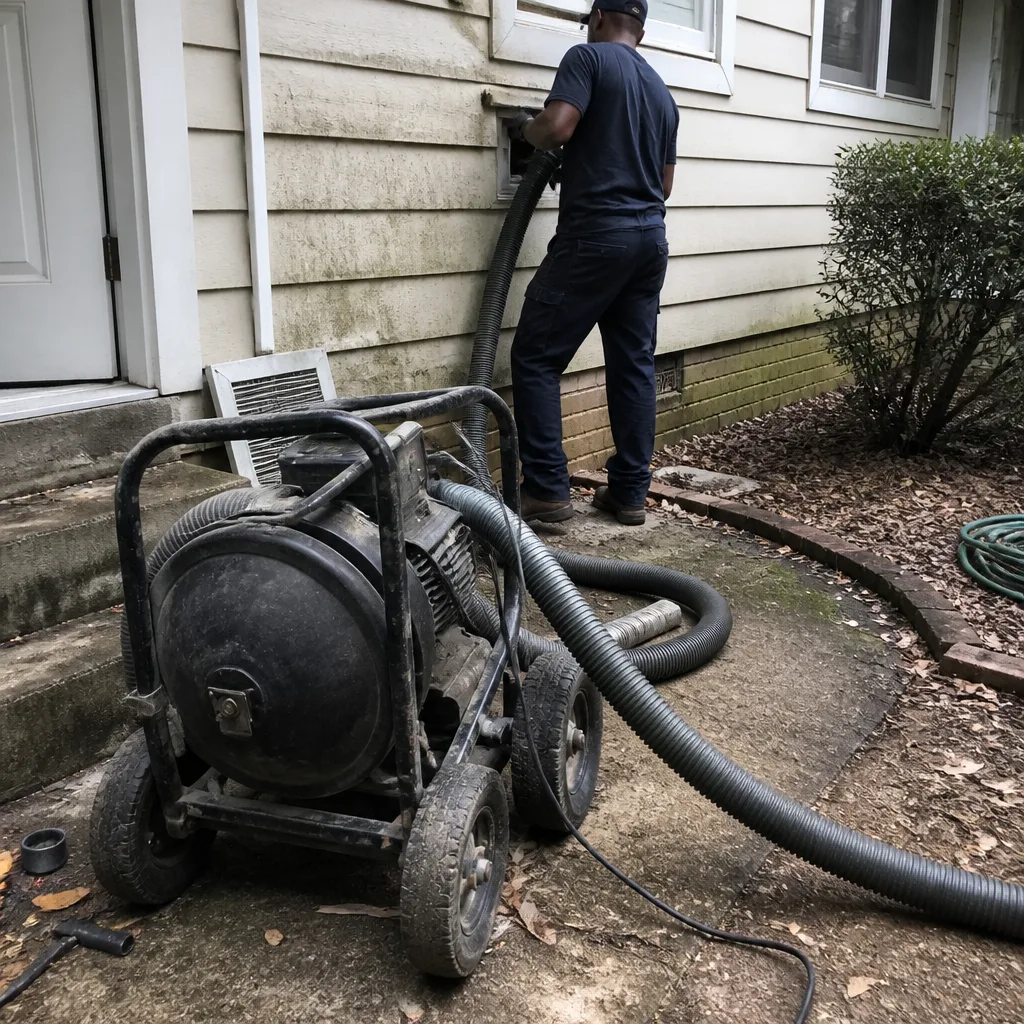 Before
 After
AfterHoneywell HVAC Cleaning in Atlanta: What to Know First
We provide independent Honeywell HVAC cleaning in Atlanta for homeowners who want the work done right and documented. A typical Honeywell system cleaning runs $249 to $399 depending on system size, and every job starts with a written price before we touch a single panel. Turnaround is usually within a week for standard cleanings, though we keep slots open for coil freeze-ups and blower failures that can’t wait.
This page is for Atlanta homeowners running Honeywell air handlers, heat pumps, or gas furnaces - especially the Prestige, T6 Pro, and Legacy series units common in builds from 2015 to 2022. If you’re seeing weak airflow, ice on the evaporator coil, or a blower that sounds like it’s working harder than it should, the problem often starts with what built up inside, not what broke. Call (470) 495-9370 for a written estimate.
How Honeywell Products Fail - and How We Fix Them
- Prestige IAQ and T10 thermostats misreading due to coil fouling. The Prestige line’s remote sensors are sensitive to humidity drift, and a dirty evaporator coil throws off the whole calibration. We’ve found this in Dunwoody basements where the coil was caked with a half-inch of biofilm but the thermostat kept blaming “poor insulation.” We clean the coil with foaming treatment, verify the sensor against a calibrated field meter, and document the delta-T before and after.
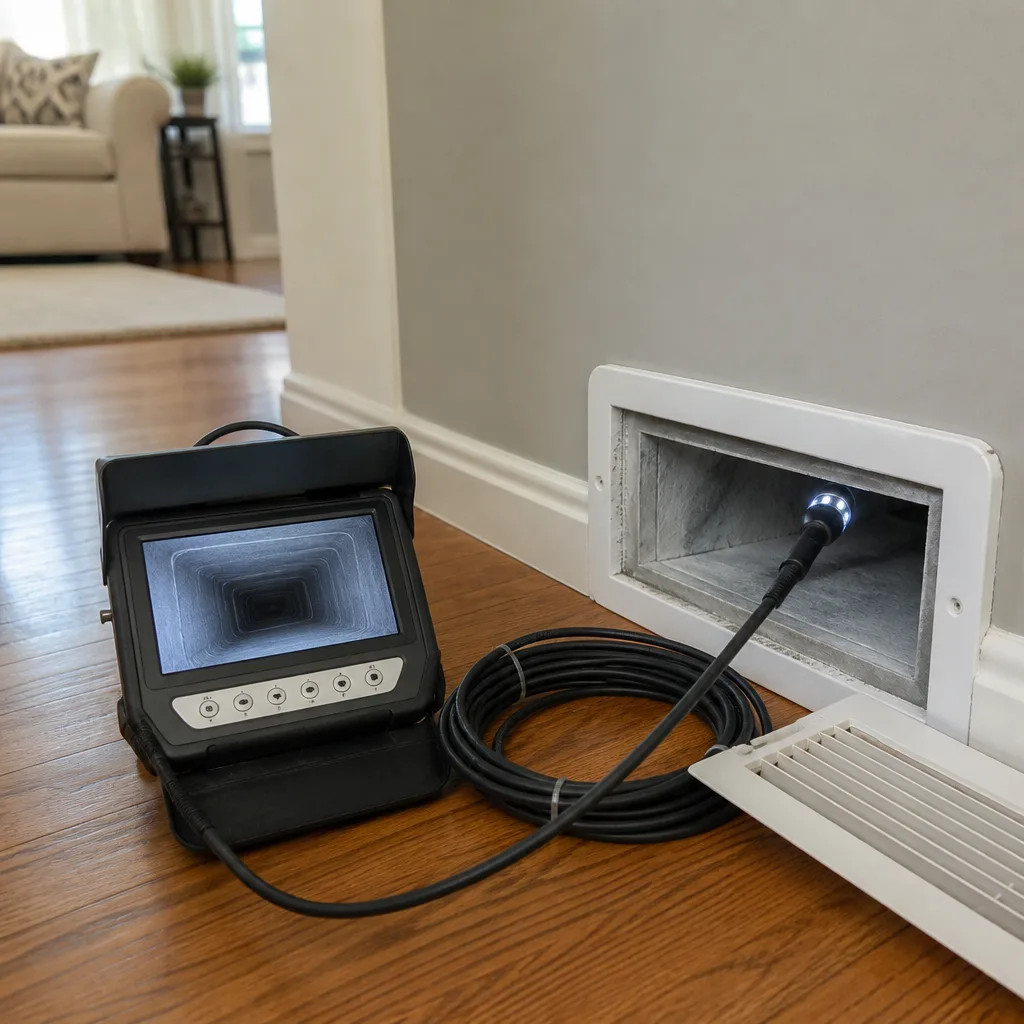
- Legacy 90 gas furnaces cycling on high limit from heat exchanger soot. These units run a compact heat exchanger that doesn’t forgive deferred maintenance. In Cascade Heights split-levels, we’ve pulled exchangers with enough soot to drop airflow 30% and trip the limit switch. We brush and vacuum the cells, inspect for cracks with a borescope, and pressure-test the inducer assembly. The camera doesn’t negotiate - the photo record shows exactly what we found.
- Mini-split cassettes in Inman Park lofts clogging from pollen load. Atlanta’s spring oak and pine pollen is brutal on Honeywell’s multi-head cassettes; the filters load fast and the blower wheel cakes with sticky residue. We remove the barrel blower, clean it in a parts washer, treat the coil with foaming cleaner, and check drain pan pitch - a detail the install manual assumes was done right the first time.
- TrueEASE humidifier pads calcifying from Fulton County hard water. The TrueEASE bypass units use a flow-through pad that turns to concrete in 18 months with Atlanta’s 7.5-grain hardness. We replace the pad, descale the distribution tray, and check the water panel frame for warping - a failure mode Honeywell doesn’t list but we see quarterly.
- FC100A media filters collapsing in high-static systems. The FC100A is a 4-inch pleated filter that works fine until a dirty coil or crushed flex duct pushes static past 0.5 inches. We’ve found these filters sucked into the blower housing in Sandy Springs homes where the homeowner kept swapping filters but nobody checked what was upstream. We clean the system, measure static at three points, and upsize to an FC200E if the ductwork can handle it.
Our Honeywell HVAC Cleaning Process
- 1
Pre-job walkthrough with written scope. We inspect the full system, identify the Honeywell model and serial, and note any warranty stickers or prior service tags. The written price is set before we open the first panel - Haven Standard Clause 1.
- 2
Photo documentation of baseline condition. Every duct run, coil face, and blower wheel is photographed before contact. This is standard on every visit, not an upgrade.
- 3
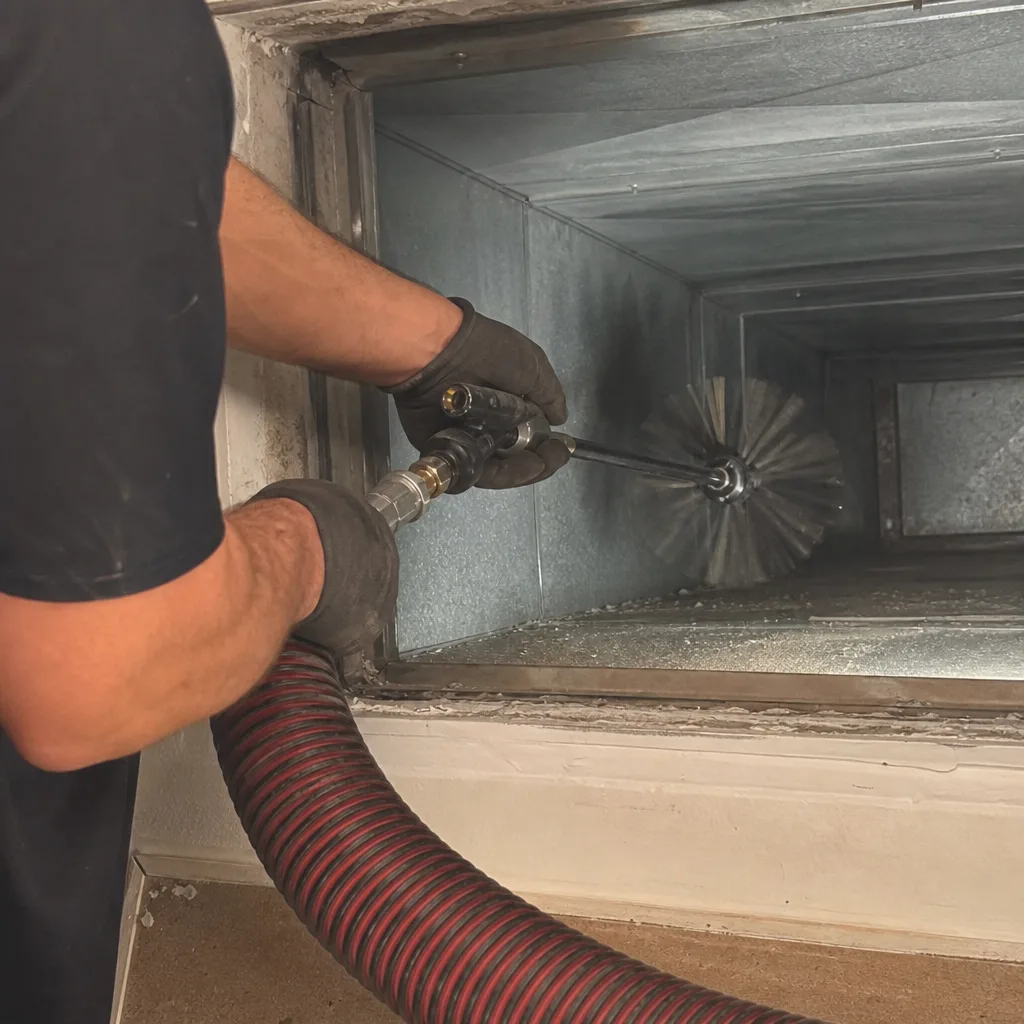
Component-specific cleaning protocol. Evaporator coils get foaming treatment and low-pressure rinse; blower wheels are removed and cleaned off-site when contamination is heavy; heat exchangers are brushed and vacuumed with HEPA extraction. We use Rotobrush and Nikro equipment, plus Honeywell-specified treatments where the manufacturer calls for them.
- 4
OEM versus quality aftermarket decision. For pads, filters, and sensors, we stock genuine Honeywell parts. For hardware like blower wheels and drain pans, we match spec with quality aftermarket equivalents and document the choice in writing.
- 5
Post-cleaning test and photo record delivery. We measure amp draw, static pressure, and temperature split against Honeywell’s published ranges. The before-and-after photo record is delivered as a standard job document, and the 365-Day Done Right Promise is in writing before we leave.
- 6
System reset and homeowner briefing. We walk you through what changed, what to watch for, and when the next cleaning should happen based on what we found - not a calendar guess.
BeforeAfterWhat Honeywell HVAC Cleaning Costs in Atlanta
| Service | Typical Range | What Moves the Price |
|---|---|---|
| Evaporator coil cleaning | $249 - $329 | Coil accessibility (A-frame vs. slab), contamination level, need for biocide treatment |
| Blower wheel and housing cleaning | $189 - $269 | Wheel removal required, bearing condition, housing corrosion |
| Full air handler cleaning (coil + blower + drain) | $349 - $399 | System tonnage, number of drain pans, electric heater section condition |
| Heat exchanger cleaning and inspection | $289 - $359 | Number of cells, soot load, access panel configuration |
| Condenser coil cleaning (outdoor unit) | $159 - $229 | Refrigerant line length, fin condition, surrounding debris |
These are whole-system prices, not per-vent come-ons. A $79 coupon doesn’t cover removing a blower wheel or treating a coil - it covers a shop vac at the register and a handshake. We don’t do that. Call (470) 495-9370 for an exact quote; estimates are free and come in writing before any work starts.
Why Atlanta Homeowners Call CleanRun Air Duct Cleaning Atlanta for Honeywell Work
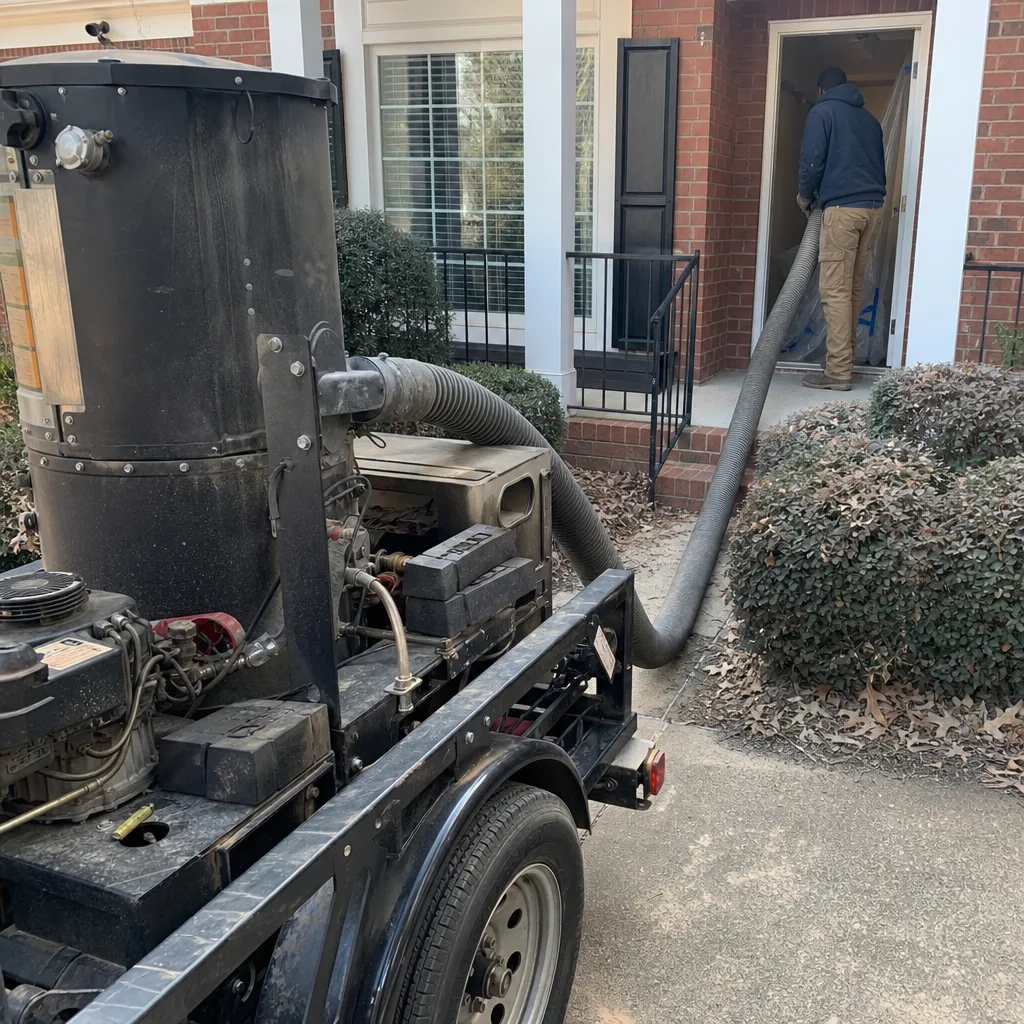
We’ve been running jobs across Atlanta since 2013, and Honeywell equipment has been a steady share of what we see - from the Prestige installs in new Buckhead builds to the Legacy furnaces still heating homes near East Lake. Tomas Reyes and our crew know the weak points because we’ve cleaned enough of them to see the patterns: which serial ranges had the coil coating issue, which humidifier trays warp first, where the documentation gaps are.
Every technician is background-checked and uniformed under Haven Standard Clause 3: Verified Crews. We also service Lennox, Trane, and Carrier systems, so when a Honeywell component interfaces with another brand’s air handler, we don’t guess at compatibility. The 365-Day Done Right Promise applies to every job, and the photo record is yours to keep - evidence of what was actually done, not a claim you have to trust.
FAQs
No - professional cleaning by an independent service provider does not void Honeywell’s warranty, provided no components are altered or damaged during service. We document our methods and use manufacturer-specified treatments where applicable, so if a warranty question ever arises, you have a written record of exactly what was done and when. Call (470) 495-9370 if you need a copy of our service documentation for a warranty claim.
Cleaning is the right call when airflow is reduced but the heat exchanger is intact, the coil isn’t leaking refrigerant, and the blower motor draws within 10% of nameplate amps. Replacement makes sense when the heat exchanger is cracked, the coil has multiple leaks, or repair costs exceed 40% of replacement value. We give you the numbers - static pressure, amp draw, temperature split - and let you decide. Call (470) 495-9370 for a free assessment with written findings.
For filters, pads, sensors, and control boards, yes - OEM ensures fit and calibration. For structural items like blower wheels and drain pans, quality aftermarket equivalents meet spec at lower cost and don’t affect warranty coverage. We name the manufacturer on every part we install and note OEM versus aftermarket in your written job record.
Every three to five years for the typical Atlanta home, sooner if you have pets, run the fan continuously, or live within a half-mile of I-285 or a major construction zone. The pollen load in spring and the clay dust from summer grading projects both accelerate coil fouling. We base our recommendation on what the camera shows, not a calendar.
Sometimes, but we don’t promise it. Our schedule runs tight because we don’t rush jobs, and we’d rather book you properly than show up without the right parts or enough time to document the work. The written estimate is free and valid for 30 days - no pressure to decide on the spot. Call (470) 495-9370 to book.
Written by Tomas Reyes, Owner, CleanRun Air Duct Cleaning Atlanta at CleanRun Air Duct Cleaning Atlanta, serving Atlanta and nearby areas.