
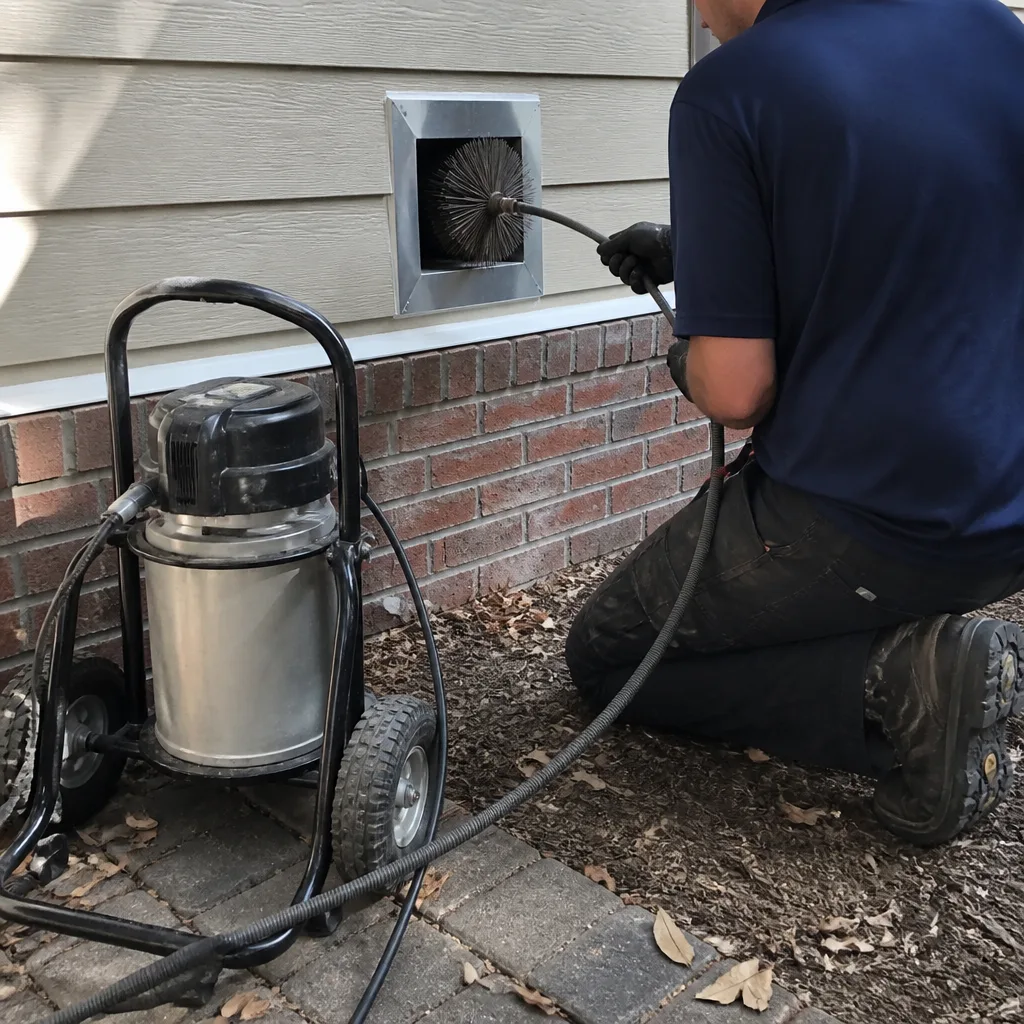
Whole-system duct and dryer vent check with before-and-after photos - you see exactly what came out of your vents
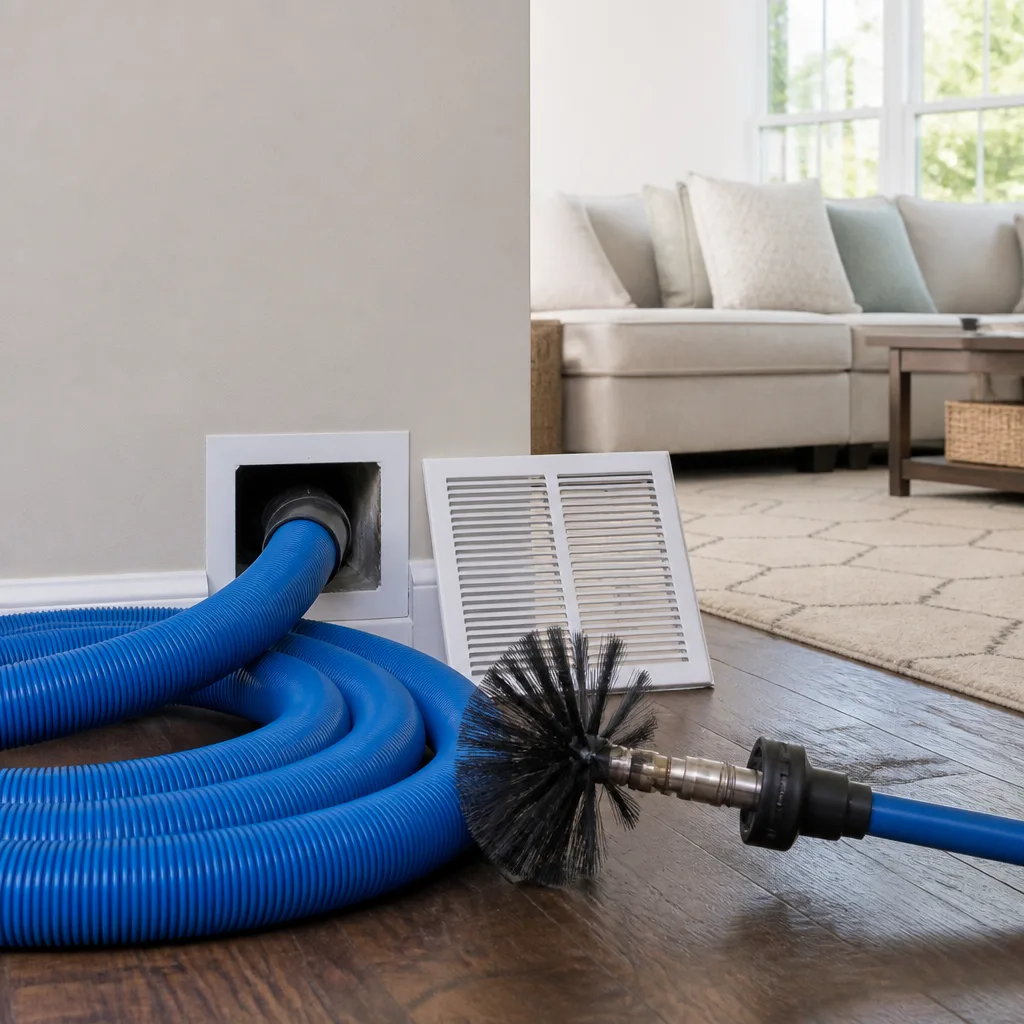
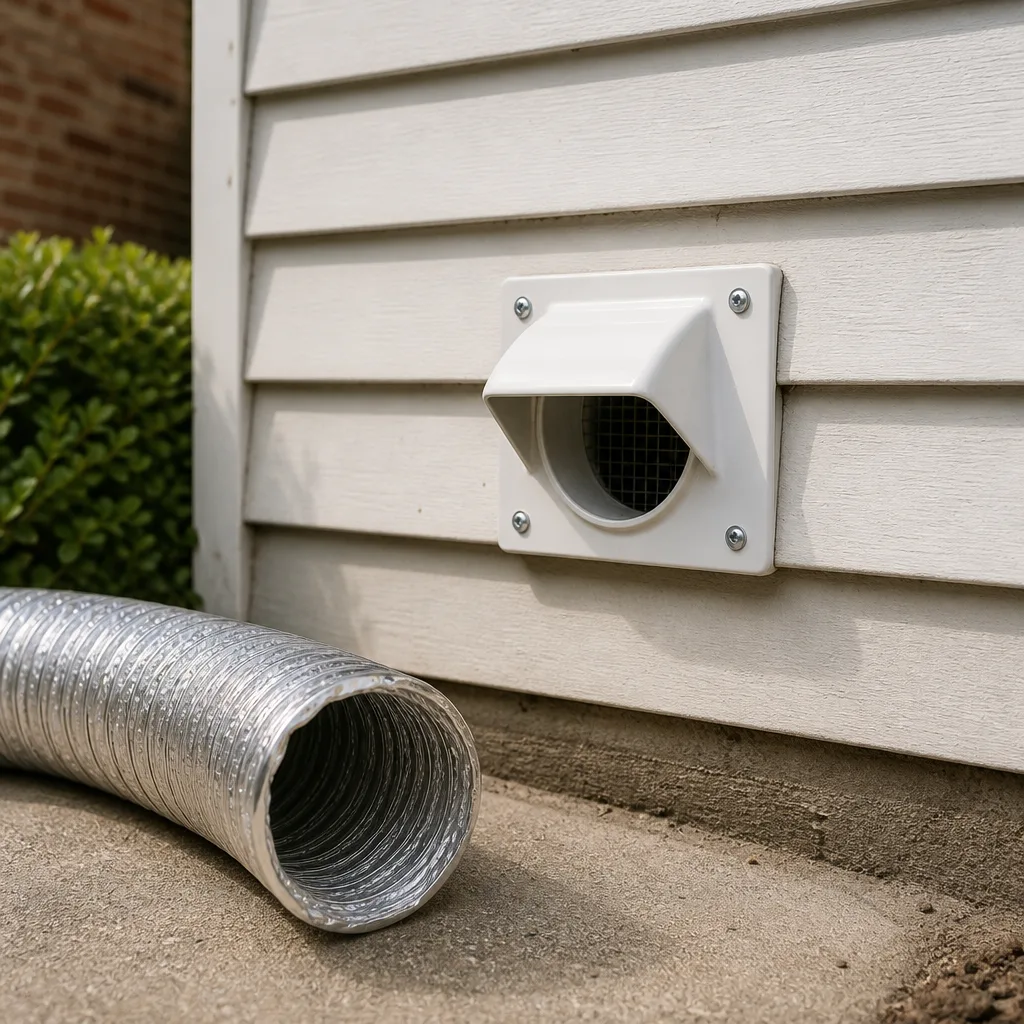
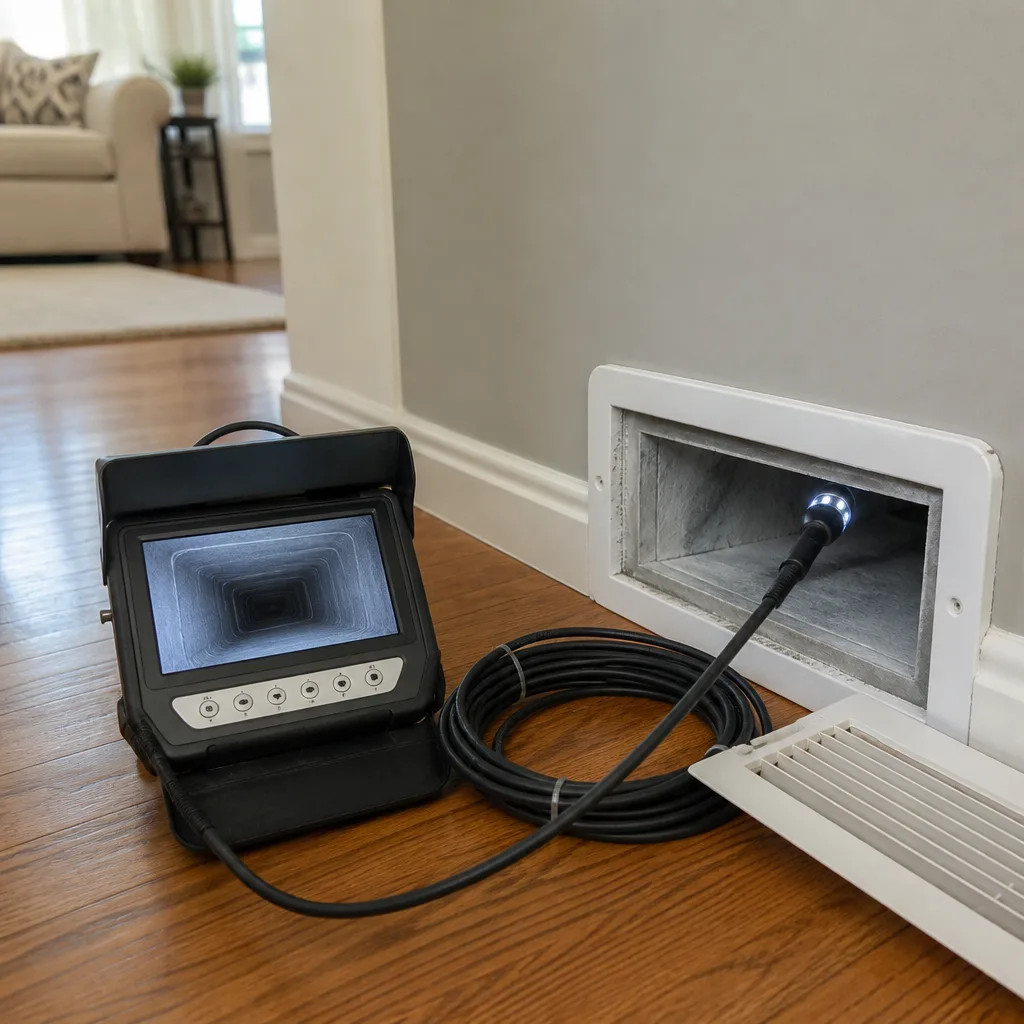
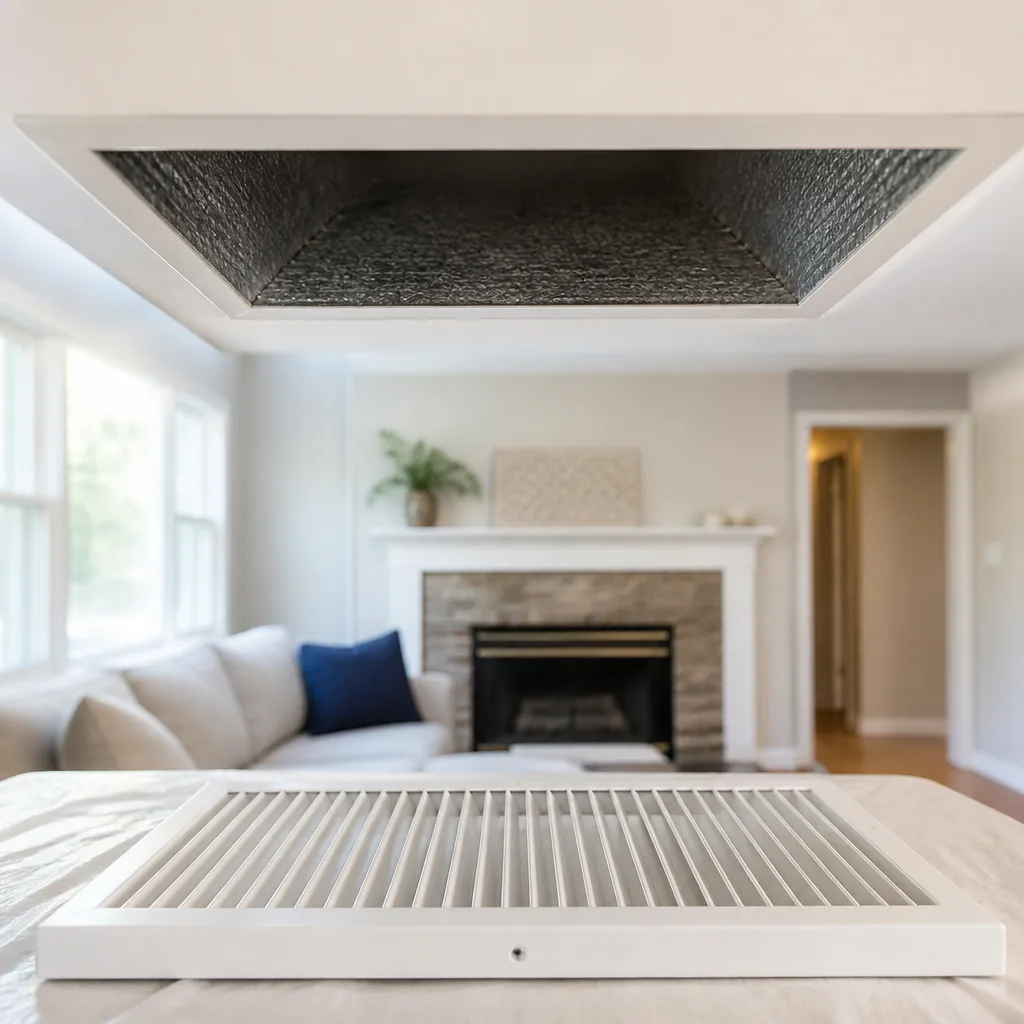
That "$99 whole-house special" is a bait ad - the real number appears once they are in your hallway, or the "clean" is a shop-vac at the register. We photograph the inside of your ducts before and after instead.
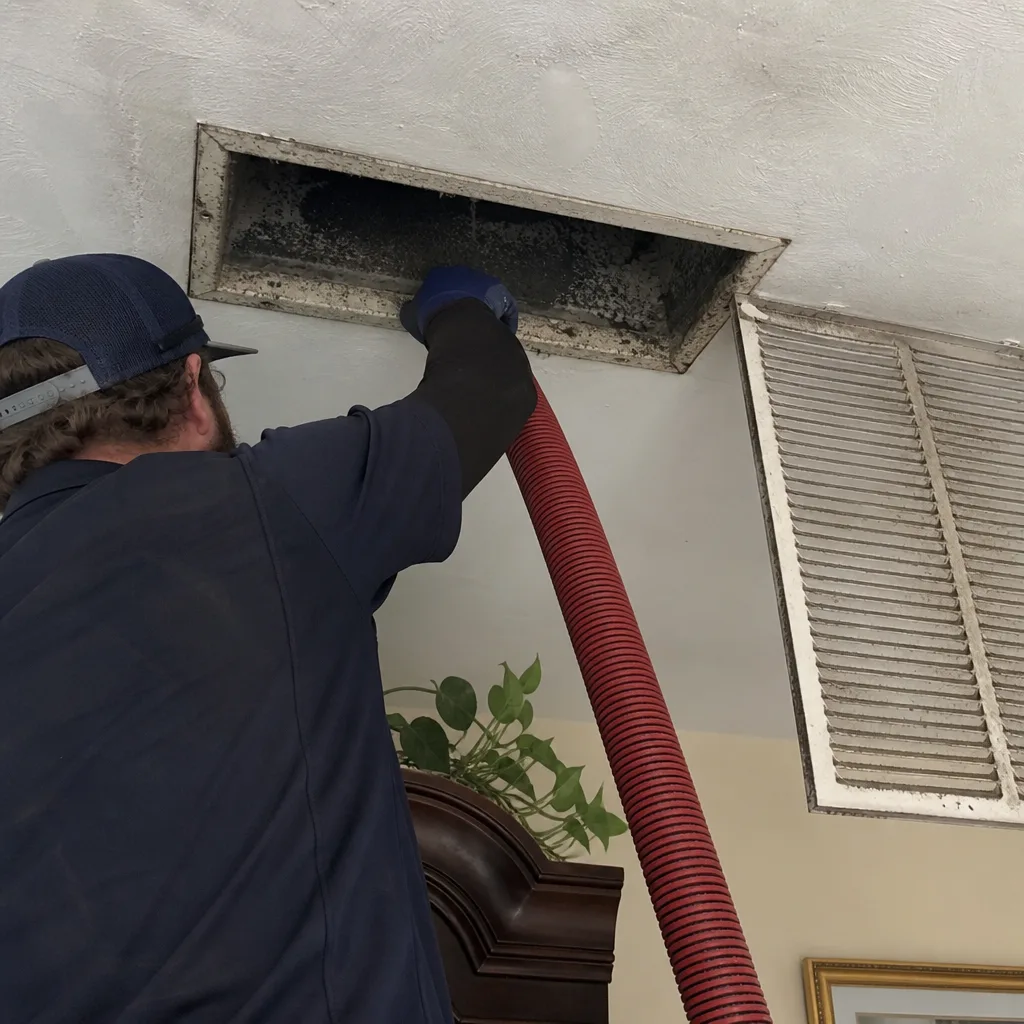 Before
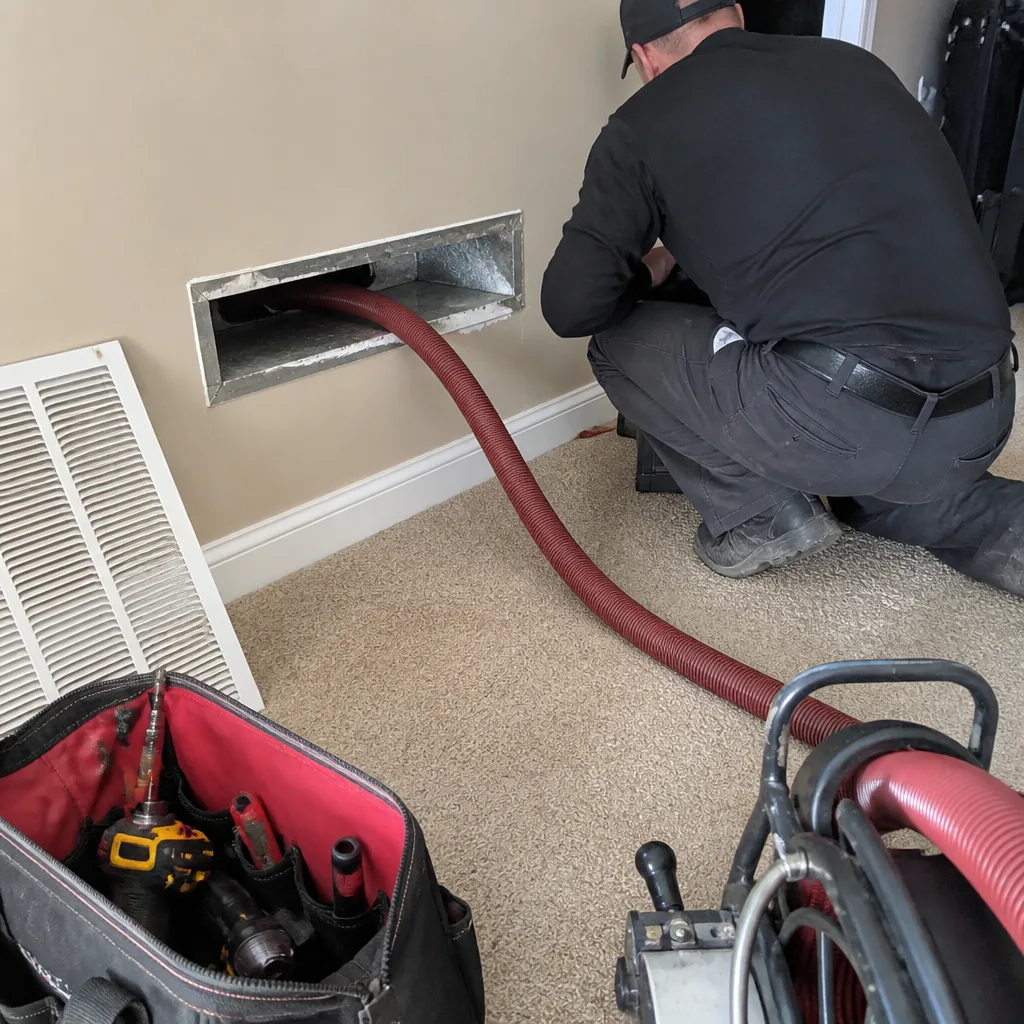 After
After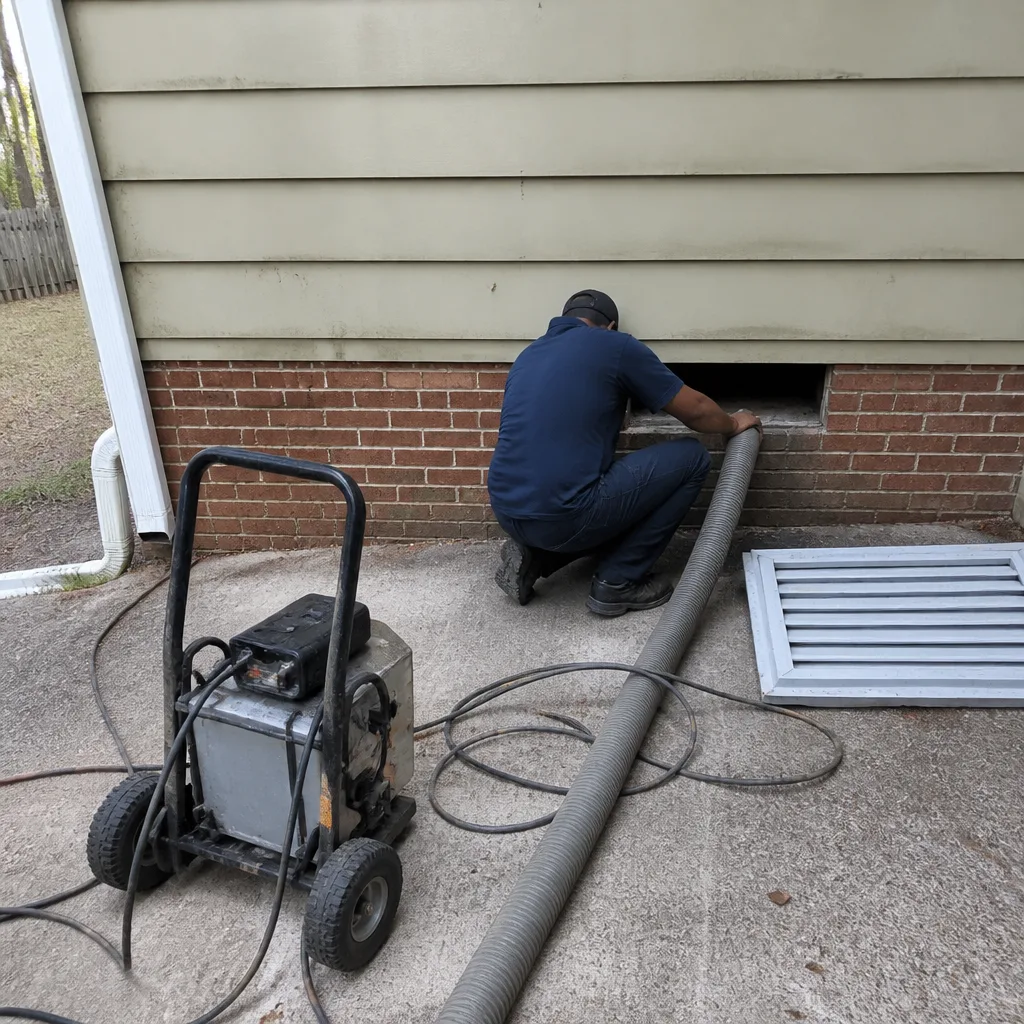 Before
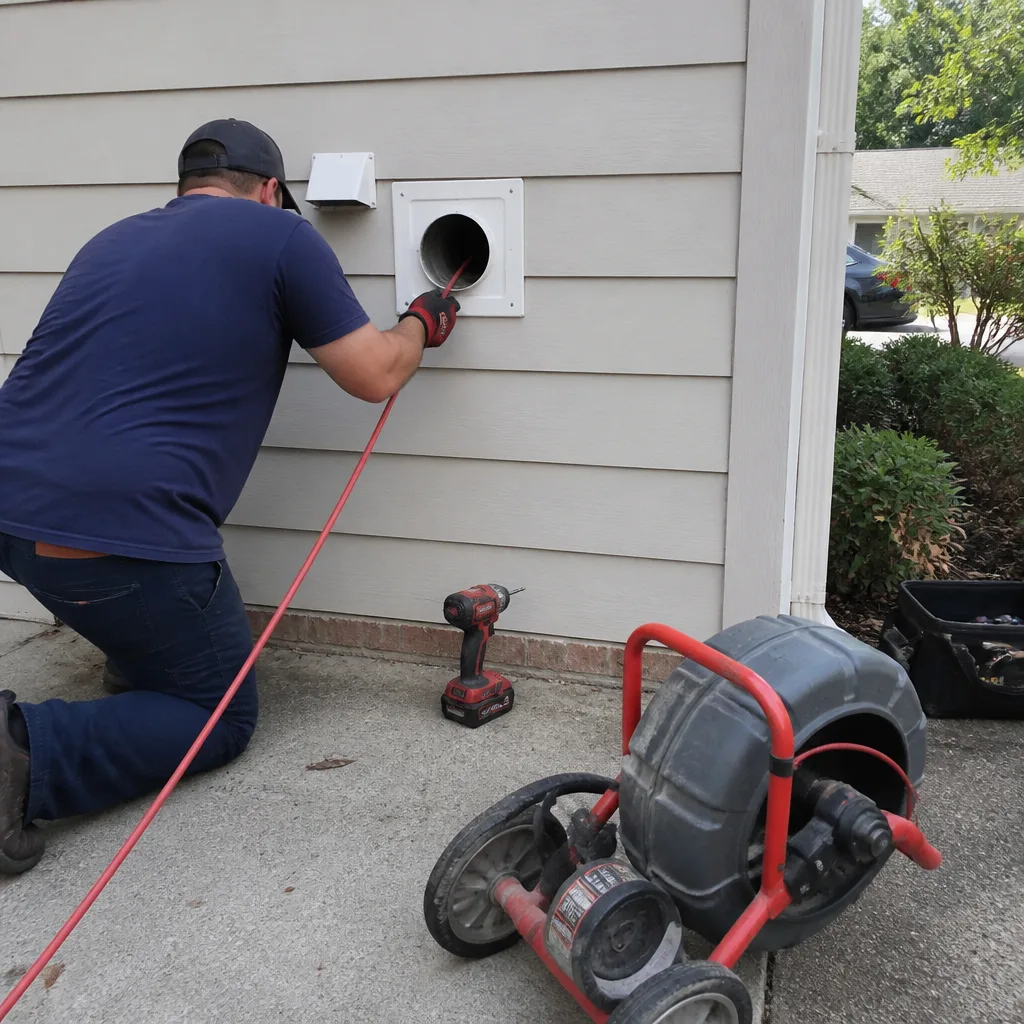 After
After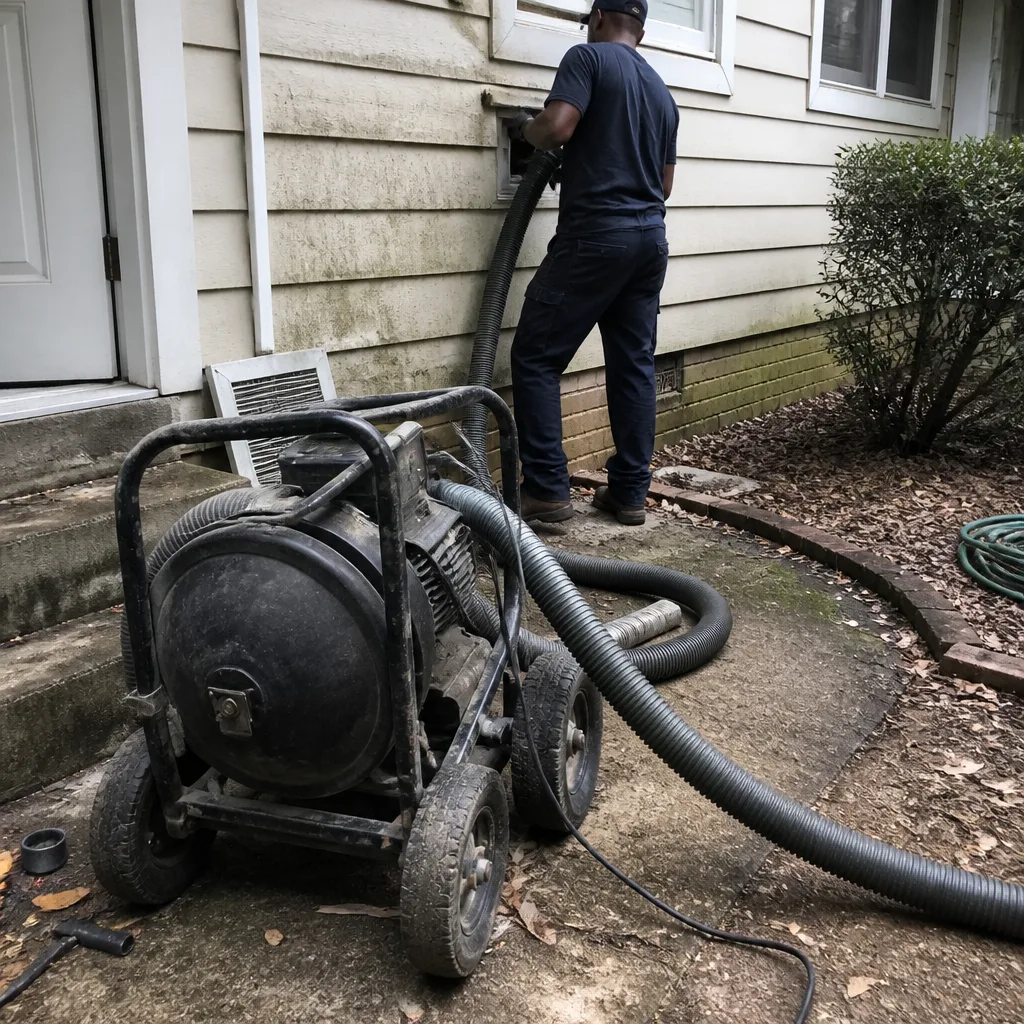 Before
 After
AfterAprilaire Vent Sanitizing: The Atlanta Owner’s Guide
Aprilaire vent sanitizing in Atlanta typically runs $249 to $399 for a whole-system treatment, and we stock the full Aprilaire-compatible sanitizing line on our trucks for same-day installation. The part you’re looking for is the Aprilaire 1910 or 1930 series vent sanitizing module, or the newer 5000-series electronic air cleaner with integrated sanitizing - and the failure usually announces itself through persistent musty airflow at the registers even after the filter’s been swapped.
Most Atlanta homeowners catch this in spring, right after the first heavy pollen week when the system starts cycling hard. The sanitizing element sits downstream of the filter in the supply plenum (the main distribution box that splits air into your duct runs), so when it degrades, the odor bypasses the filter entirely and hits every room at once. We’ve pulled failed units in Buckhead condos and Decatur bungalows where the homeowner assumed it was mold in the ducts - turned out to be a three-year-old sanitizing cartridge that had reached end of life and was shedding its catalyst coating into the airstream.
Which Aprilaire Models This Applies To
The vent sanitizing components break into three distinct Aprilaire series, and matching the wrong one is a common mistake we see on second-opinion calls.
1910 Series (Media Air Cleaner with Sanitizing): These are the cabinet-style units, typically 20×25 or 16×25, with a replaceable media pack and an integrated UV-C or photocatalytic sanitizing strip. The sanitizing element is part number 1910-SAN or 4139, depending on manufacturing year. Check the label inside the cabinet door - if it reads “Model 1910” with a suffix like -M, -V, or -VP, you’ve got this series. The sanitizing strip mounts on the downstream face of the media frame.
1930 Series (Space-Gard Upgrades): Older Atlanta homes, especially the 1960s-1980s builds in Cascade Heights and East Atlanta, often have the 1930 Space-Gard retrofitted with a sanitizing add-on kit. The add-on is a separate UV-C lamp housing that bolts to the side of the existing cabinet. Part number here is usually 1930-UV or the aftermarket equivalent. Critical compatibility note: the 1930 cabinet depth is 7 inches, while the 1910 is 9.5 inches. The 1930-UV lamp housing will not seal correctly on a 1910 cabinet, and we’ve seen homeowners buy the wrong add-on twice before calling us.
5000 Series (Electronic Air Cleaner): The 5000, 5010, and 5015 models have an optional sanitizing module that snaps into the top collector cell slot. The module is part 5000-SAN, and it’s only compatible with units manufactured after 2018 - earlier 5000-series cabinets lack the mounting rails. If your unit’s serial number starts with a letter before “H” (indicating 2017 or earlier), the 5000-SAN will not fit without cabinet modification.
OEM Aprilaire parts carry a two-year manufacturer warranty on the sanitizing element. We also stock quality aftermarket equivalents from Guardsman that meet the same UV-C output spec (254 nanometers, 36 microwatts per square centimeter at one meter) at roughly 30% lower part cost. The trade-off is a one-year warranty instead of two. For most Atlanta homeowners, we recommend OEM if the unit is under five years old, aftermarket if it’s older and you’re budgeting for a full system replacement within three years.
Signs Your Aprilaire Vent Sanitizing Is Failing
- Persistent musty or “wet sock” odor at every register, not just one room. This means the sanitizing element has stopped neutralizing microbial growth in the supply plenum, and the odor is distributing through all duct runs. Single-room odors point to a local duct leak or moisture intrusion, not the central sanitizing unit.
- Visible dust accumulation on furniture within 48 hours of cleaning. A failing sanitizing element lets biofilm and particulate pass through unoxidized. The particles are fine enough to escape the media filter but large enough to settle on flat surfaces. We see this most in Atlanta’s pollen season when the system’s running 18+ hours daily.
- Increased allergy symptoms among household members, especially after the system cycles on. The photocatalytic coating on Aprilaire sanitizing elements breaks down volatile organic compounds. When it’s spent, those compounds - pollen fragments, pet dander microparticles, off-gassing from construction materials common in 2015-2025 builds - circulate intact.
- The sanitizing indicator light is off, flickering, or a different color than the manual specifies. On 1910 and 5000 series units, there’s a small LED on the cabinet face. Solid blue or green (varies by model year) means active. Off means failed ballast or lamp. Red or amber means the element is at end of life and operating below effective output. Don’t trust the light alone - we’ve seen lamps glow blue at 40% effective output.
- Annual energy bills creeping up 8-15% with no thermostat change. A degraded sanitizing element can restrict airflow if the catalyst surface has delaminated and created turbulence in the plenum. The blower works harder to maintain static pressure. This is gradual, so homeowners blame rate hikes first.
BeforeAfterReplacement Cost & What’s Included
For Atlanta-area Aprilaire vent sanitizing replacement, our installed price ranges from $249 to $399 depending on three factors: the series (1910 is simplest, 5000-series requires collector cell handling), whether we’re matching OEM or installing a Guardsman aftermarket equivalent, and whether the plenum access panel needs modification for proper sealing.
That price includes the sanitizing element or module, labor, a new gasket set for the cabinet seal, and a post-installation airflow verification. We photograph the old element during removal and the new element seated in place - part of our Documented Photo Record on every visit, standard since 2013. The work is covered by our 365-Day Done Right Promise, backed in writing on every job under Haven Standard Clause 1: Written Price Before Work Starts.
Warranty specifics: OEM Aprilaire parts carry two years on the element itself, plus our 365-day labor coverage. Guardsman aftermarket carries one year on the part, with the same labor promise. If the element fails within warranty, we replace it at no charge and document the failure mode in your job record.
DIY or Call Us?
Here’s where we’ll be direct. The 1910-series sanitizing strip swap is technically owner-accessible - the cabinet door opens with two thumb latches, and the element slides on guide rails. But two things go wrong routinely. First, the UV-C lamp in active sanitizing units holds a residual charge that can deliver a painful shock if the capacitor isn’t allowed to discharge (minimum five minutes powered off, longer in humid Atlanta summers). Second, the cabinet gasket is easy to pinch or tear during reassembly, and an unsealed plenum draws attic air into your supply - we’ve found fiberglass insulation fragments in ducts from exactly this mistake.
The 5000-series collector cell is heavier than it looks, and the sanitizing module sits at an awkward angle above it. Dropping the cell bends the ionizing wires, and those are $180 to replace. The 1930-UV add-on requires drilling the cabinet for the lamp housing seal - once you start, you’re committed.
What you can safely check: confirm the unit’s powered at the disconnect switch, verify the indicator light status against your manual, and inspect the cabinet door gasket for visible cracks or compression set. Beyond that, the camera doesn’t negotiate - we’ll show you exactly what we found, quote a flat price before any tool comes off the truck, and deliver the photo record when we leave. Call (470) 495-9370.
FAQs
Typically 24 to 36 months under normal use, but Atlanta’s extended pollen season and high summer humidity push most units toward the shorter end of that range. The photocatalytic coating degrades faster when the system runs continuously for months, which is standard here from April through October. We recommend inspection at 24 months, replacement by 30. Call (470) 495-9370 to schedule - estimates are free.
No. The UV-C lamp or photocatalytic coating is a sealed assembly; once output drops below effective levels, the entire element is replaced. We’ve seen online guides suggesting lamp-only swaps, but the ballast and catalyst are matched at the factory, and mismatched components create ozone at unsafe levels. We stock complete assemblies only. Call (470) 495-9370 for an exact quote on your model.
Most Aprilaire vent sanitizing replacements take 45 to 90 minutes from truck arrival to final airflow check. The 1910 series is fastest; the 5000-series requires collector cell removal and careful reseating, which adds time. We don’t charge by the hour - your written price is fixed before work starts, regardless of how long the job takes. Call (470) 495-9370 to book.
Yes. We carry OEM Aprilaire 1910-SAN, 1930-UV, and 5000-SAN modules, plus Guardsman aftermarket equivalents, on every Atlanta service vehicle. Same-day installation is standard; we don’t schedule a diagnostic visit to order parts later. If you have your model number when you call, we’ll confirm stock match before we dispatch. Call (470) 495-9370.
CleanRun Duct Repair & Cleaning is an independent service provider, not affiliated with Aprilaire. We also stock and install Lennox, Trane, and Carrier sanitizing and filtration components.
Ready to get your Aprilaire vent sanitizing handled with a written price, documented results, and a crew that shows up in uniform with a name you can verify? Call (470) 495-9370. Tomas Reyes or a member of our team will answer, confirm your model if you have it, and put a flat price in writing before we head your way.
Written by Tomas Reyes, Owner, CleanRun Air Duct Cleaning Atlanta at CleanRun Air Duct Cleaning Atlanta, serving Atlanta and nearby areas.