
Whole-system duct and dryer vent check with before-and-after photos - you see exactly what came out of your vents
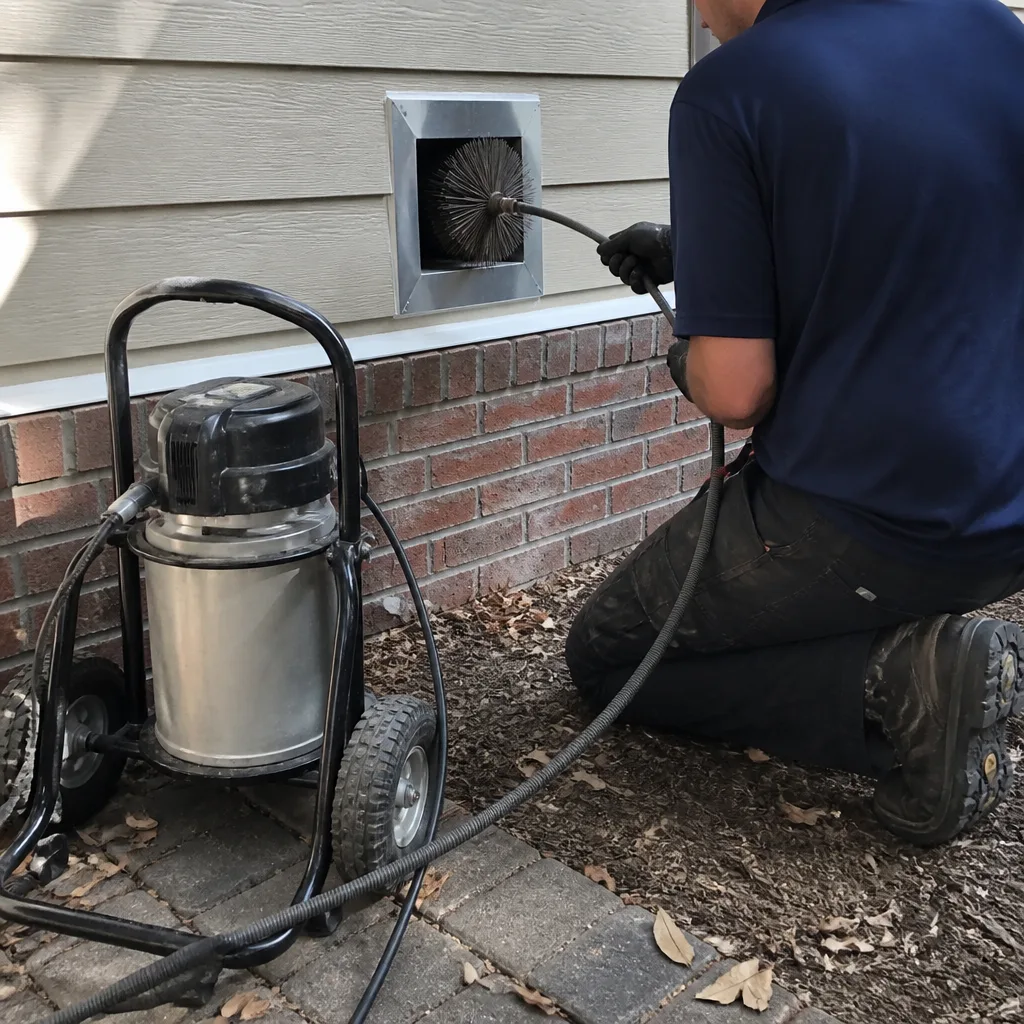
That "$99 whole-house special" is a bait ad - the real number appears once they are in your hallway, or the "clean" is a shop-vac at the register. We photograph the inside of your ducts before and after instead.
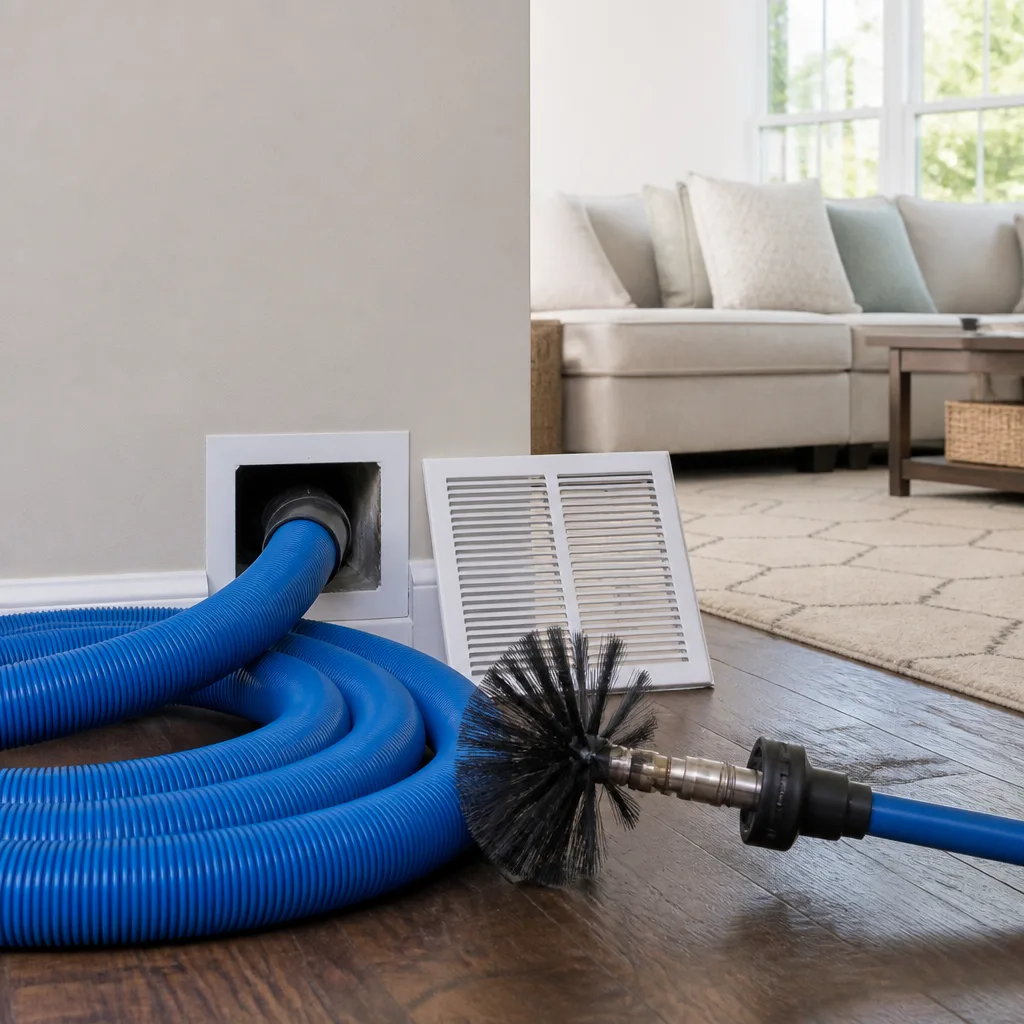
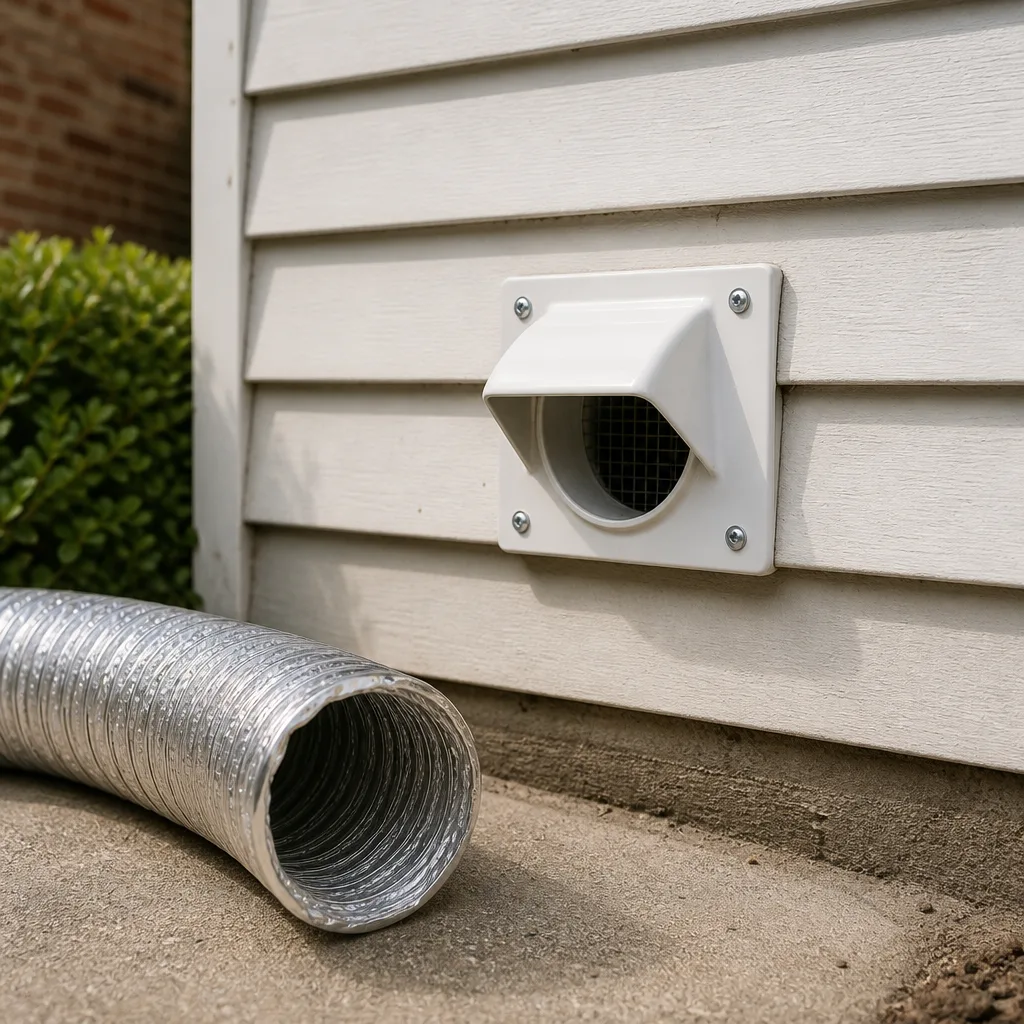
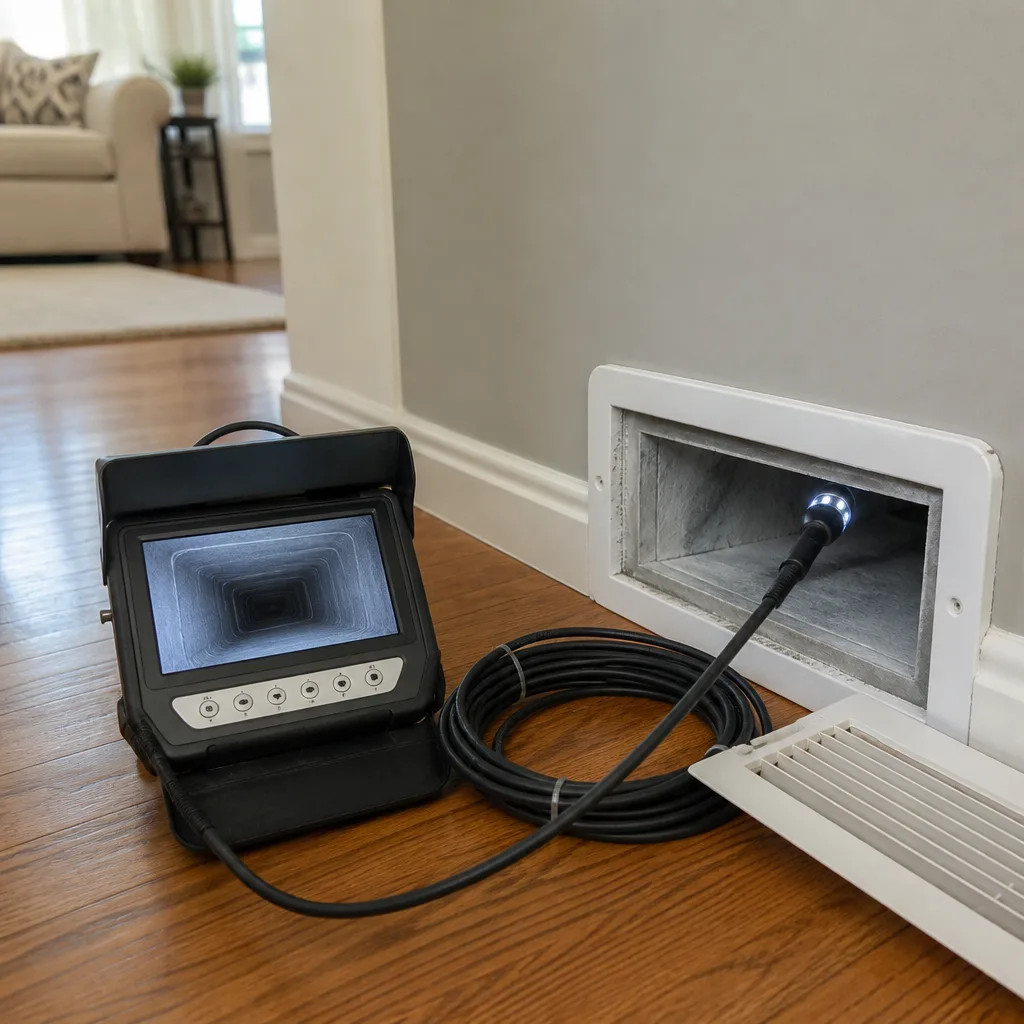
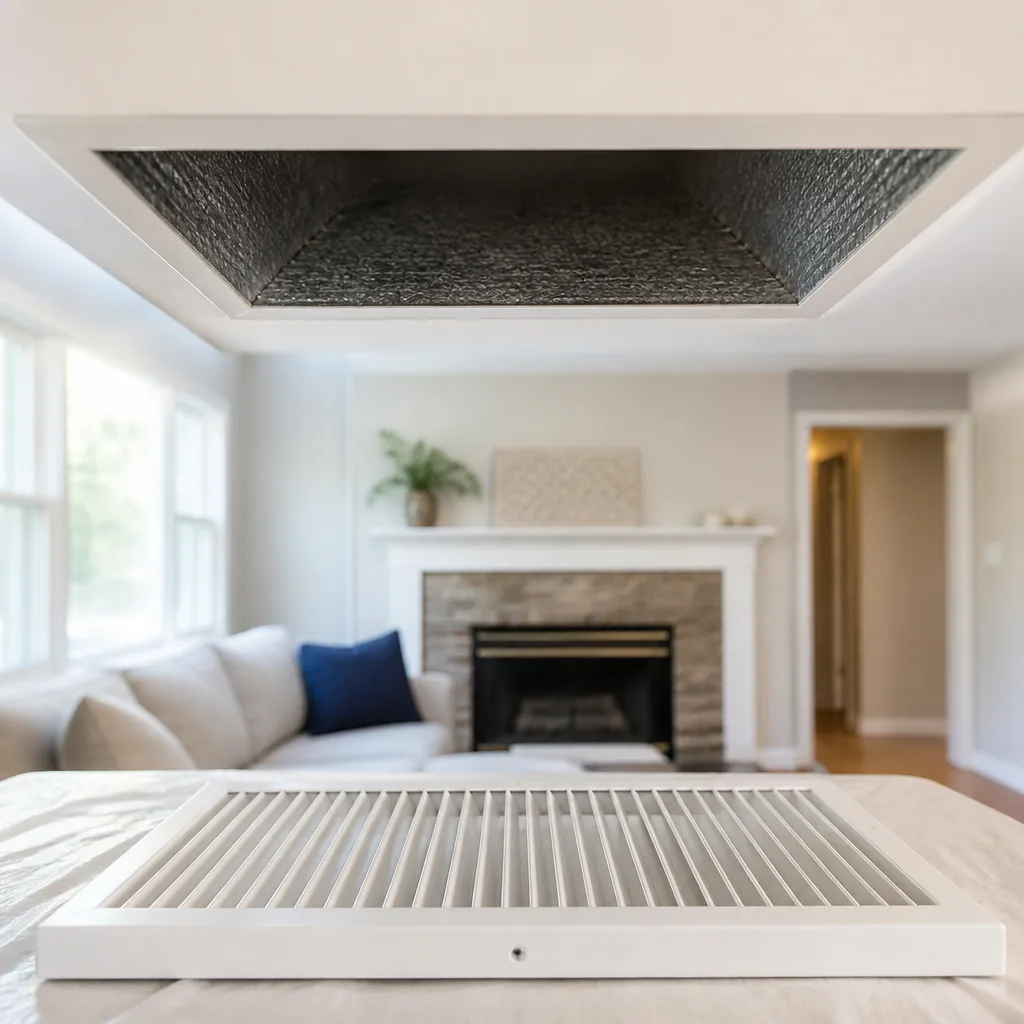
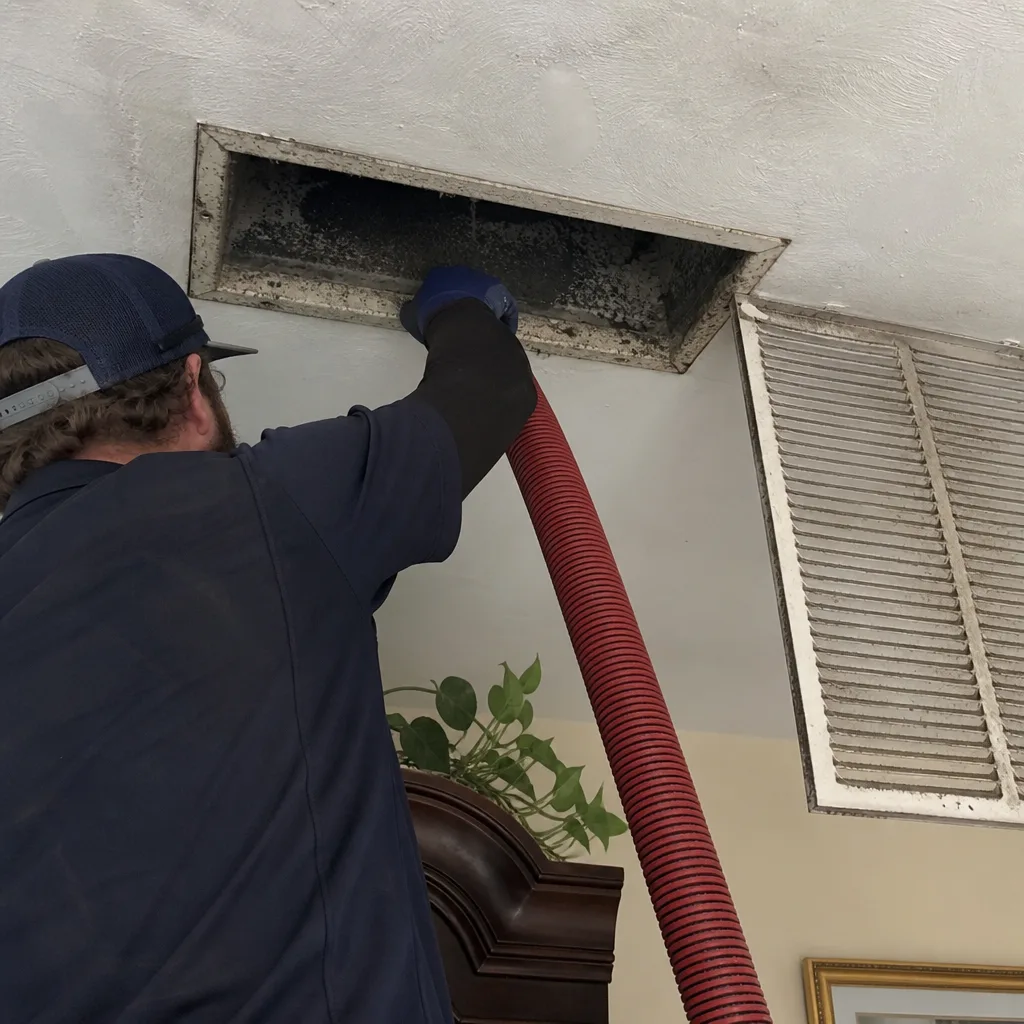 Before
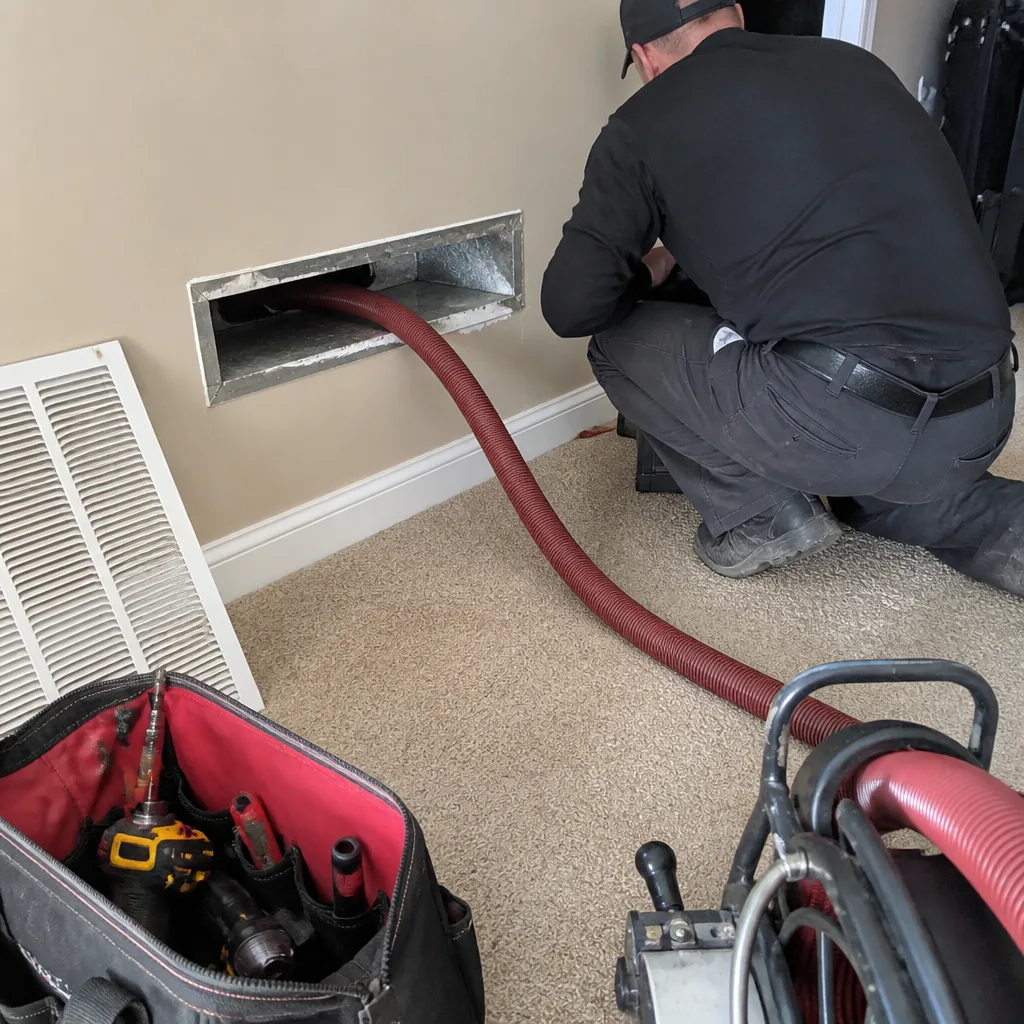 After
After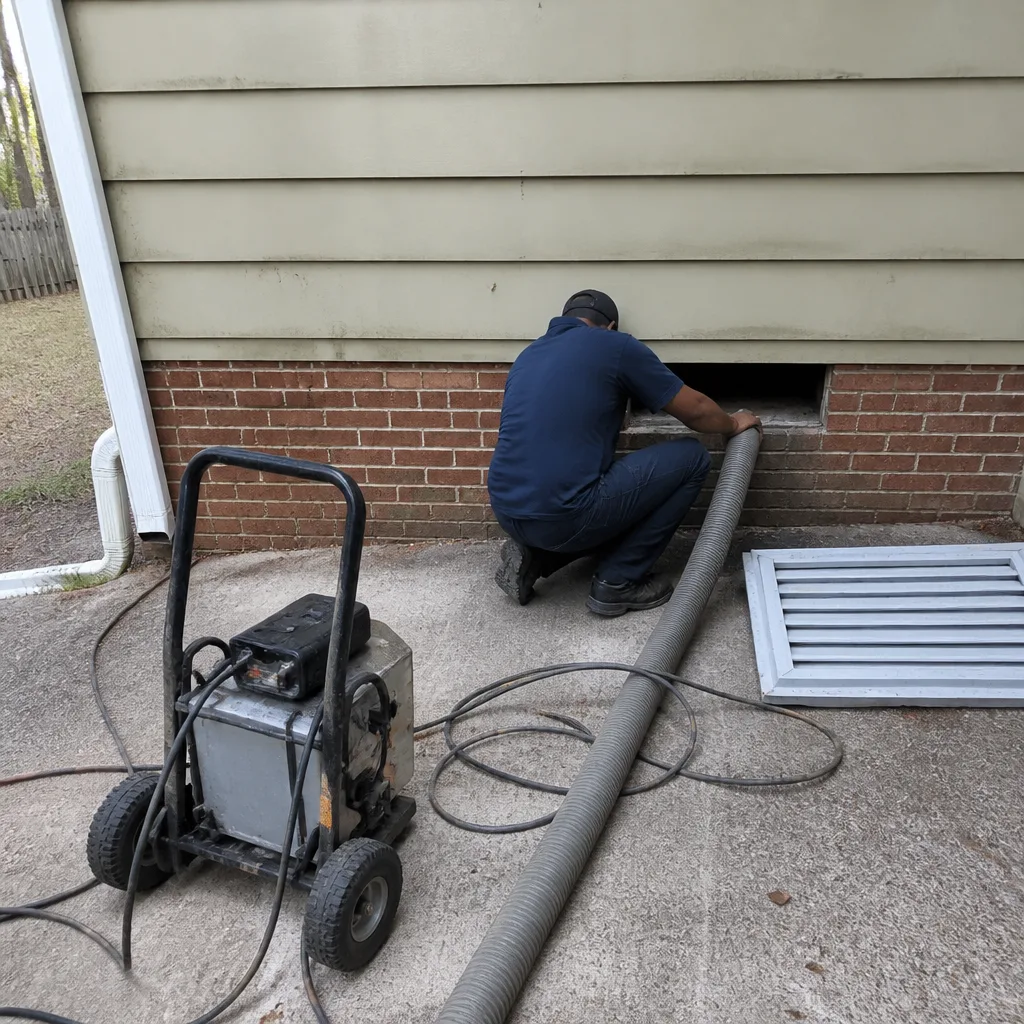 Before
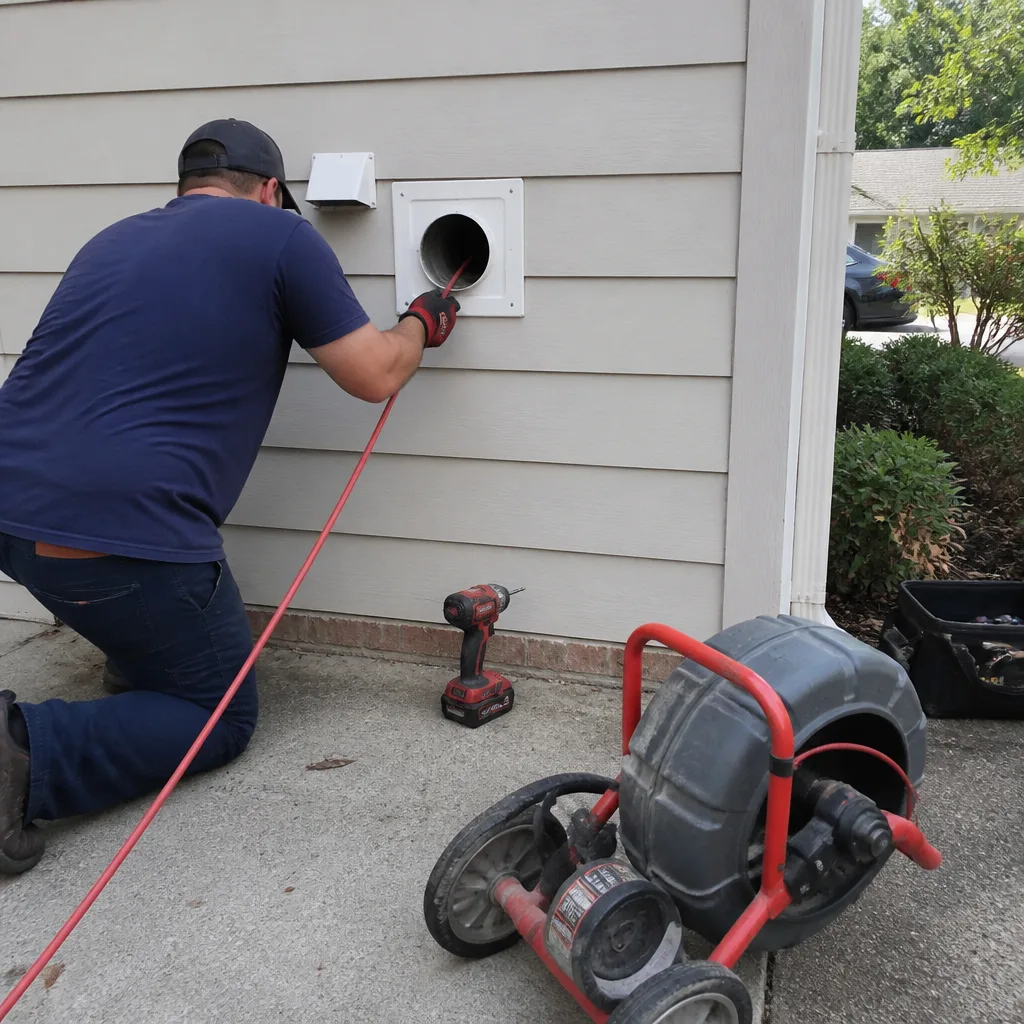 After
After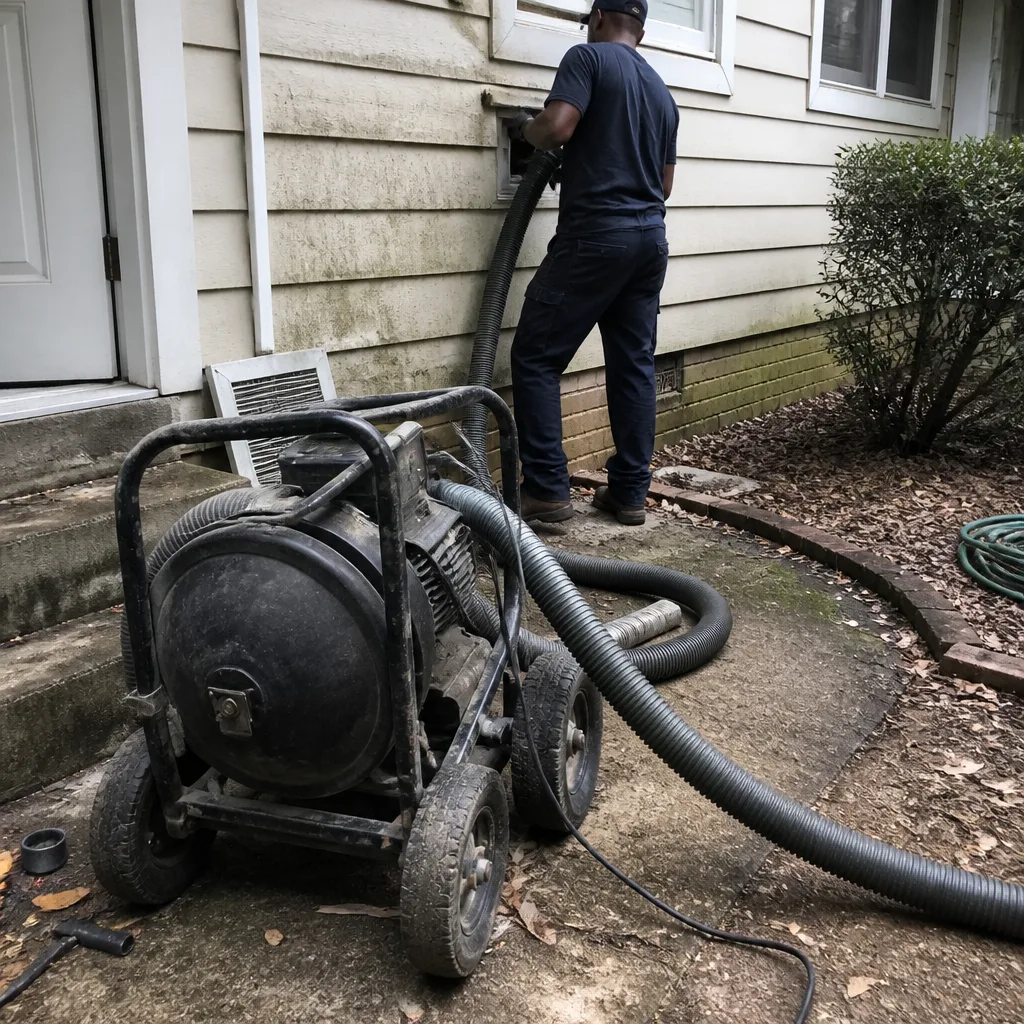 Before
 After
AfterNikro Coil Cleaning: The Atlanta Owner’s Guide
We stock and install Nikro-compatible coil cleaning systems for residential HVAC units across Atlanta, with typical installed pricing from $249 to $399 depending on system size and accessibility. Most calls we receive are same-day requests from homeowners who’ve already pulled their air handler panel and found what the camera later confirms: a coil so clogged that airflow has dropped measurably at the registers. We carry Nikro-compatible components on our trucks and can match your unit’s spec sheet in the field.
Most Atlanta owners discover the problem during a routine filter change or after noticing their upstairs zone won’t cool below 78°F in July. The coil sits downstream of the filter, so when filtration gets skipped, the fins pack with a mixture of pollen, construction dust, and the fine red clay that blows through Georgia spring storms. We’ve pulled coils in Buckhead condos that looked like felted wool, and in Decatur bungalows where the only clue was a compressor running 14 hours daily.
Which Nikro Models This Applies To
Nikro builds coil cleaning equipment across several series, and the part you need depends on whether you’re running a portable unit, a truck-mounted system, or a dedicated HVAC cleaning rig. The most common residential-grade units we encounter in Atlanta are the Nikro 860284 and 860285 portable systems, plus the 860286 series with integrated vacuum recovery. Check the metal data plate on your unit’s frame, usually located near the power inlet, for the model prefix and serial range. The plate will show voltage, amp draw, and the factory part number for the coil cleaning head assembly.
We stock OEM Nikro replacement heads, wands, and vacuum recovery components, plus quality aftermarket equivalents from Guardsman that meet the same pressure and flow specifications. The aftermarket decision usually comes down to lead time: OEM Nikro parts ship from Illinois with a 3-5 day transit to Atlanta, while our Guardsman equivalents are on the truck today. For units under manufacturer warranty, we recommend OEM to preserve coverage. For out-of-warranty systems, the aftermarket equivalent performs identically in our documented field tests and carries the same 365-Day Done Right Promise. One compatibility gotcha: the 860286 series uses a quick-connect fitting that differs from the 860284 by thread pitch, and we’ve seen homeowners strip the collar trying to force a match.
Signs Your Nikro Coil Cleaning Is Failing
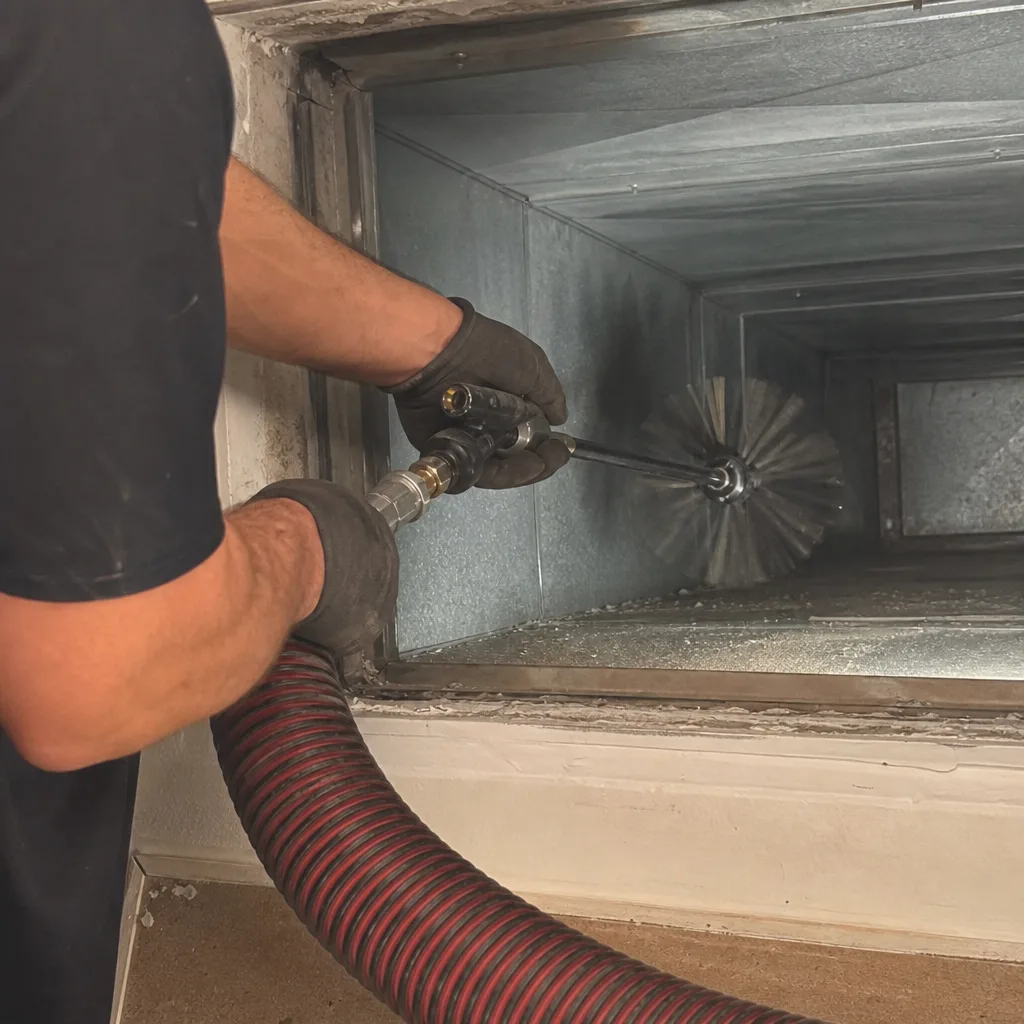
- Reduced suction at the wand tip. The vacuum motor or recovery hose is losing seal integrity. In Atlanta’s humidity, rubber gaskets harden faster than in drier climates, and we’ve found cracked seals on units stored in unconditioned garages that failed in under 18 months.
- Chemical foamer sputtering or uneven application. The mixing valve orifice is clogged with dried alkaline cleaner. This happens when the unit isn’t flushed after use, and it’s the single most preventable failure we see on residential Nikro equipment.
- Pressure gauge reading below 150 PSI on the supply side. The pump head is cavitating, usually from mineral scale drawn in through tap water connections. Atlanta’s municipal water runs moderately hard, and scale buildup accelerates in units fed directly from the hose bib without a softener.
- Visible corrosion on aluminum coil fins after cleaning. The pH neutralizer in your chemical mix has depleted, or you’re running an incompatible cleaner. Nikro specifies a pH range of 6.5 to 8.5 for foaming agents; we’ve documented etching on coils in Sandy Springs homes where homeowners used off-the-shelf degreaser.
- Unit powers on but trips the GFCI within 30 seconds. Water has breached the electrical compartment, typically through a worn cord gland or cracked housing. This is a safety shutdown, not a nuisance, and continuing to reset the breaker risks motor damage or worse.
BeforeAfterReplacement Cost & What’s Included
For Atlanta homeowners, installed coil cleaning system replacement runs $249 to $399 for a standard residential split system, with the final number set before we touch a tool. The low end covers accessible air handlers in basements or utility closets with straight-line access; the upper range applies to attic installations in July, where the ambient temperature hits 130°F and the coil sits behind a secondary drain pan that has to come out first.
That price includes the replacement head or wand assembly, labor, system flush, and reassembly. We also run a post-repair airflow check with a digital manometer and photograph the coil condition before and after, delivered as part of your Documented Photo Record. Every job is backed by our 365-Day Done Right Promise, written on the invoice, not implied. Haven Standard Clause 1 applies: the price we quote is the price you pay, with no per-vent add-ons or trip charges layered in after the fact.
DIY or Call Us?
There’s a safe middle ground here, and it stops at visual inspection. You can verify power at the outlet, check the GFCI reset, and confirm the water supply valve is open. You can also read the model plate and photograph it for us, which saves ten minutes on arrival.
What we don’t recommend: disassembling the pump head, attempting to clear chemical lines with compressed air, or probing electrical connections with the unit plugged in. The pump generates enough pressure to inject foaming agent through skin, and the 115V motor housing isn’t sealed against accidental spray. We’ve been called to homes in Virginia-Highland where a well-intentioned owner cracked the pump casting by overtightening after a seal replacement. The camera doesn’t negotiate, and neither does a pressure washer running at 400 PSI through a plastic fitting.
If your Nikro unit is down and you need it matched, diagnosed, or replaced, call (470) 495-9370. We’ll confirm the part against your model plate and give you a written price before scheduling.
FAQs
In Atlanta’s climate, expect 3 to 5 years of residential use with proper flush and storage. The combination of high summer humidity and hard municipal water accelerates seal degradation and mineral buildup; units stored in unconditioned spaces typically fail at the shorter end of that range. Call (470) 495-9370 and we’ll inspect your current head for wear indicators at no charge.
Sometimes. A cracked wand or clogged nozzle can often be rebuilt, but a seized pump head or corroded electrical housing is a full replacement. We diagnose before quoting, and we’ll show you the failed component on camera so you can see why repair isn’t viable. Our Free Second Opinion applies to any written estimate you’ve already received.
Most residential replacements take 90 minutes to 2 hours, including system test and photo documentation. Attic installations or systems with restricted access add 30 to 45 minutes. We schedule with a 2-hour arrival window and text you when the technician is en route.
We carry Nikro-compatible heads, wands, seals, and chemical application components on every service vehicle, plus OEM and Guardsman equivalents. For specialized truck-mounted components, we can typically source within 24 hours through our Atlanta supplier. We are an independent service provider and are not affiliated with Nikro Manufacturing Company.
CleanRun Duct Repair & Cleaning also stocks parts for Lennox, Trane, and Carrier coil cleaning systems.
Written by Tomas Reyes, Owner, CleanRun Air Duct Cleaning Atlanta at CleanRun Air Duct Cleaning Atlanta, serving Atlanta and nearby areas.